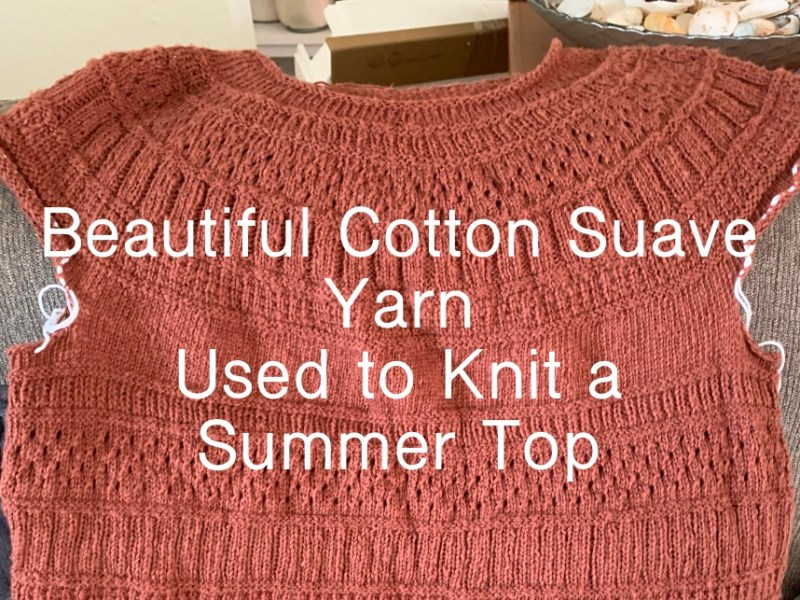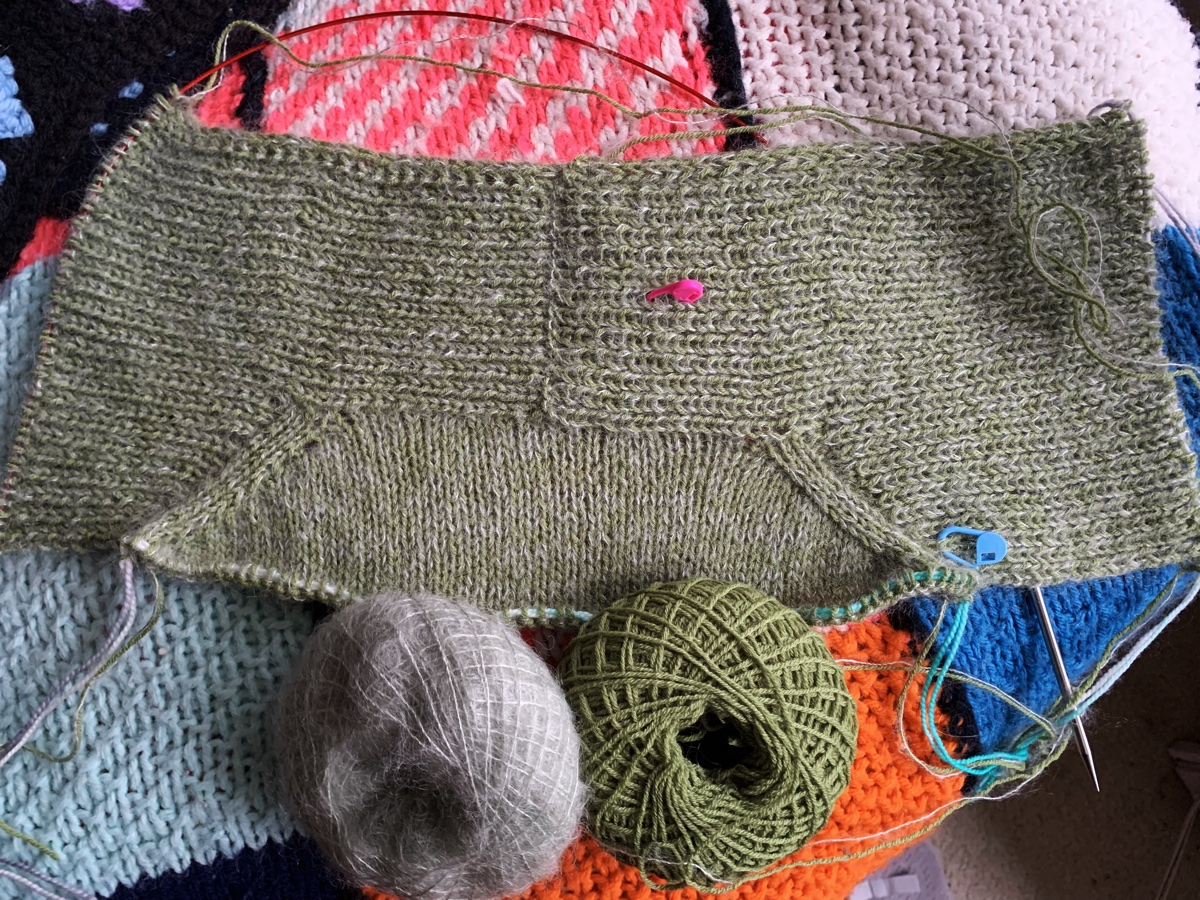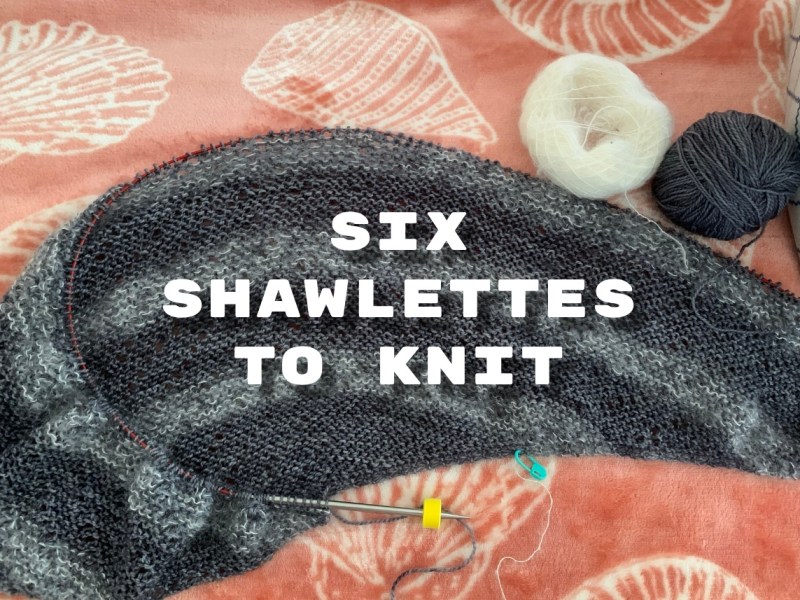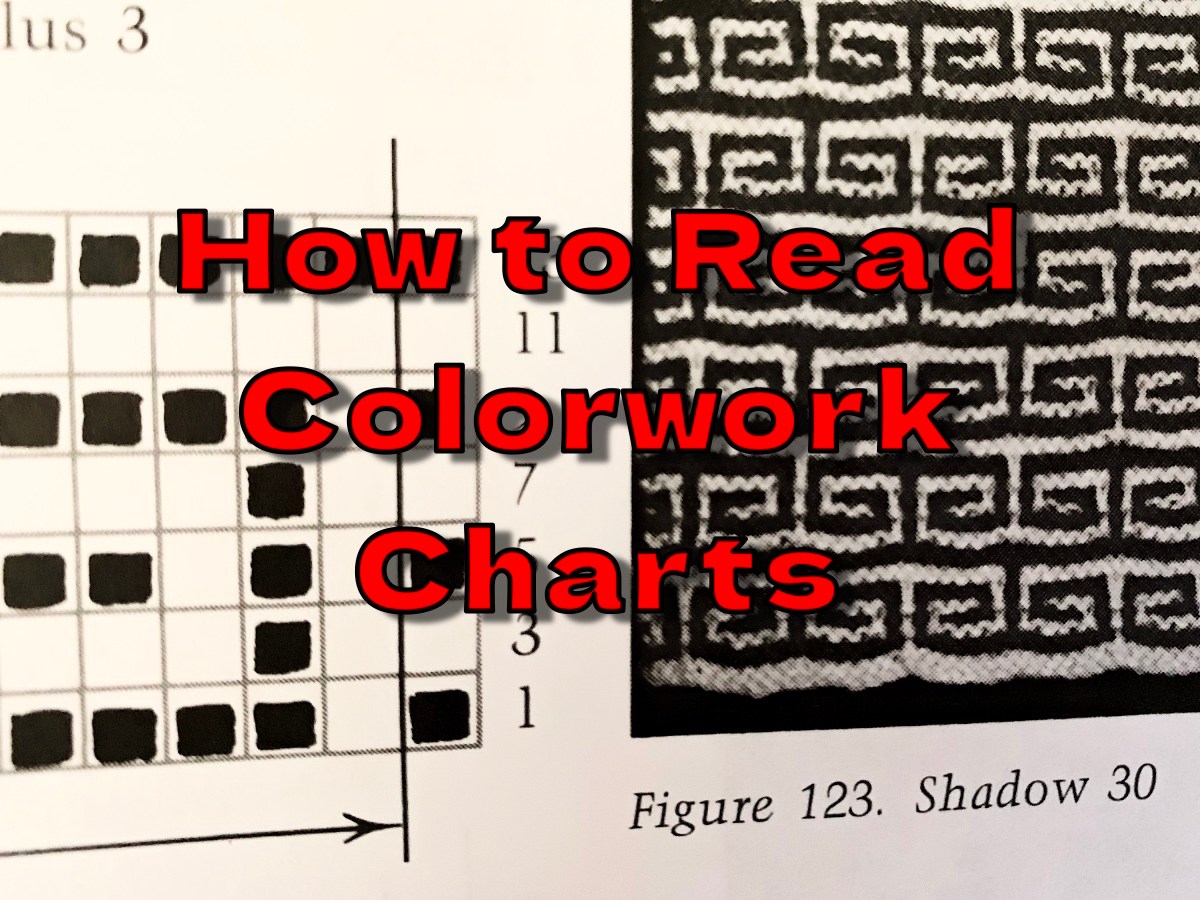
Knitting projects I have completed or have in progress. My thoughts and review of the pattern, yarn, and outcome. Also knitting project ideas to consider or find for free.
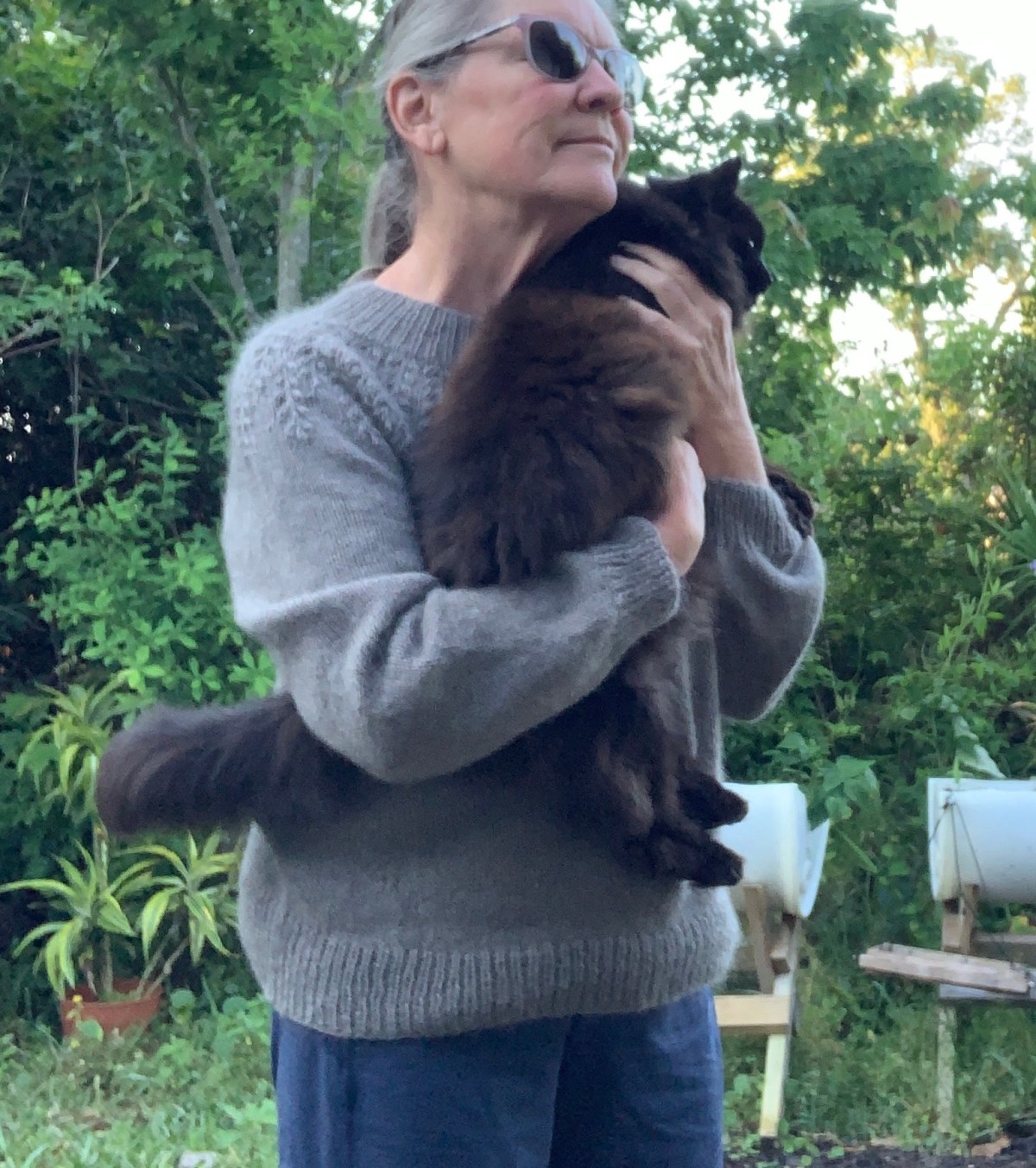
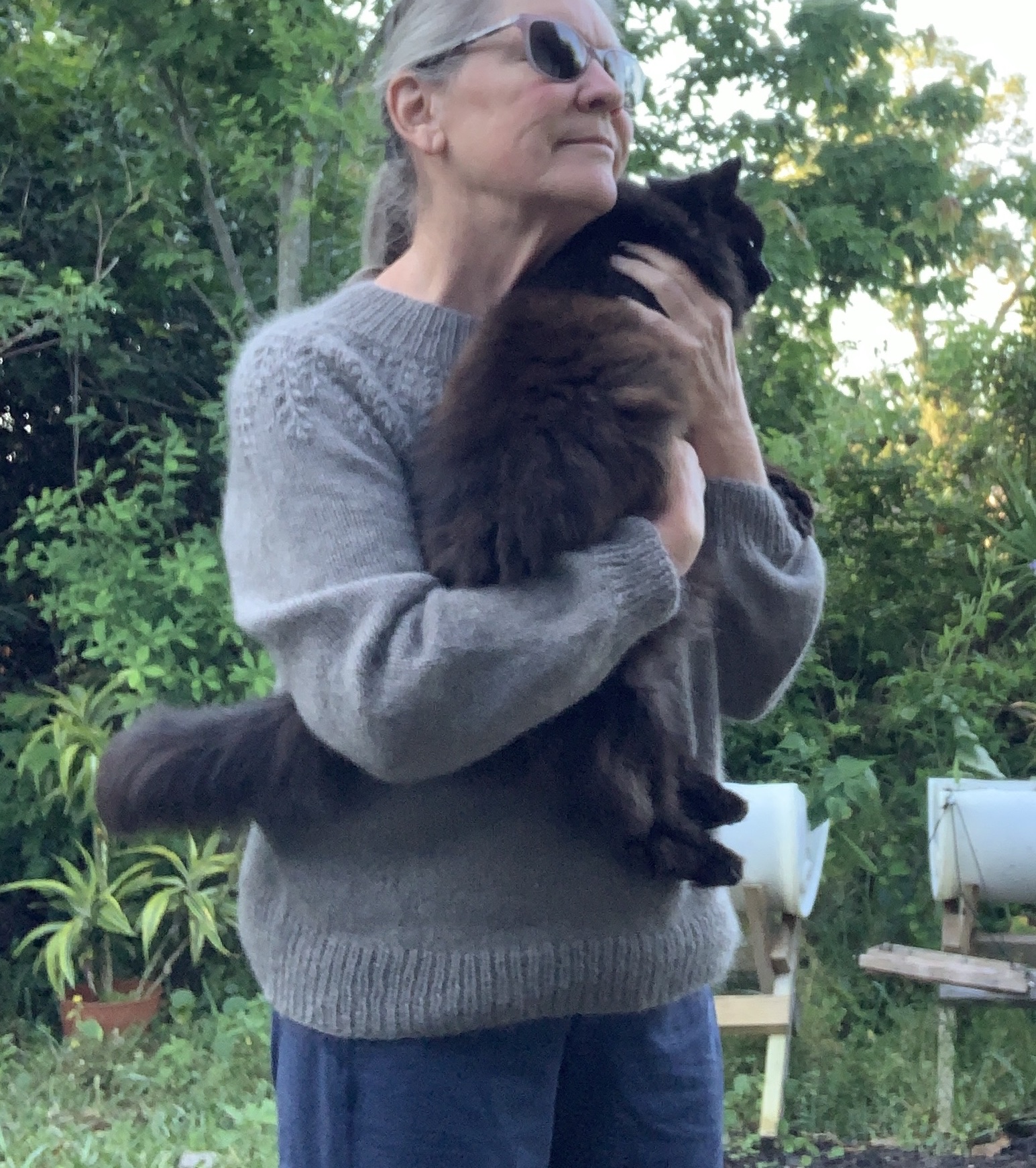
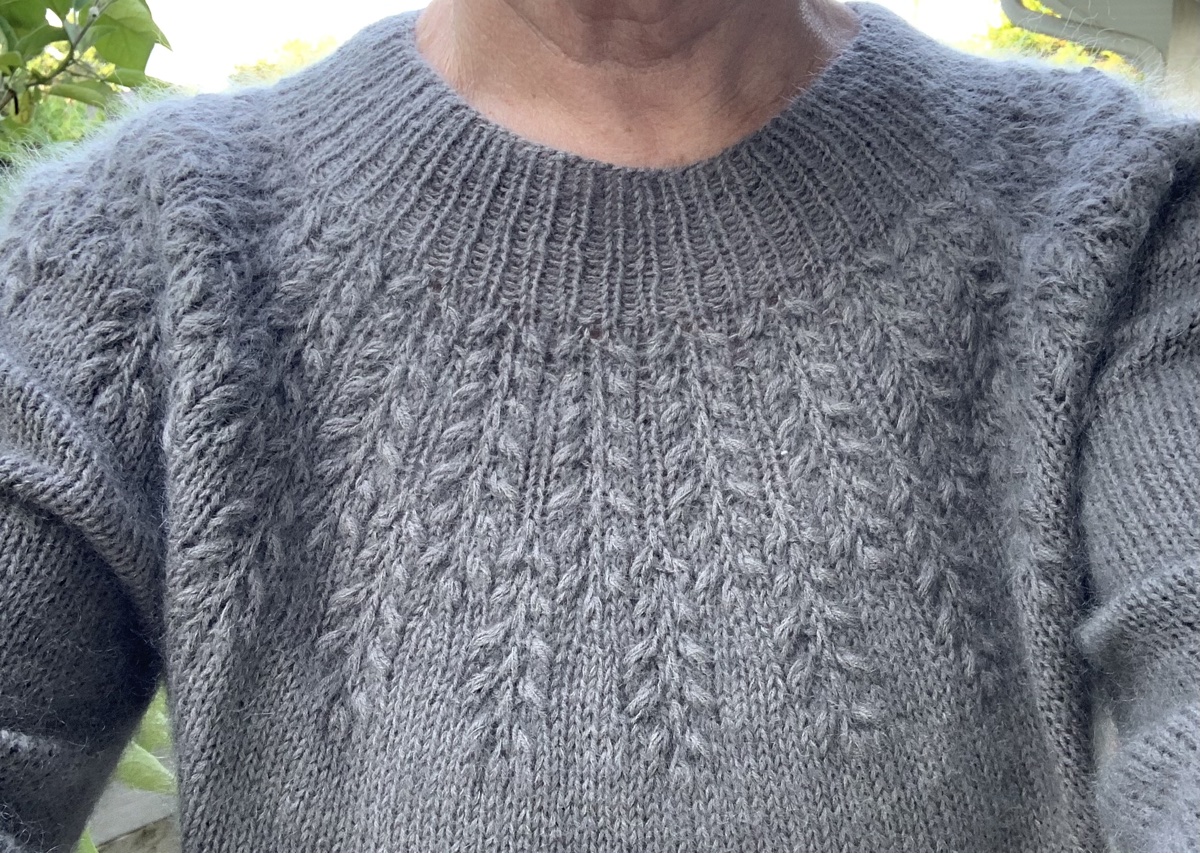
My experience knitting the Field Sweater pattern was a good one and I am very happy with the finished project.
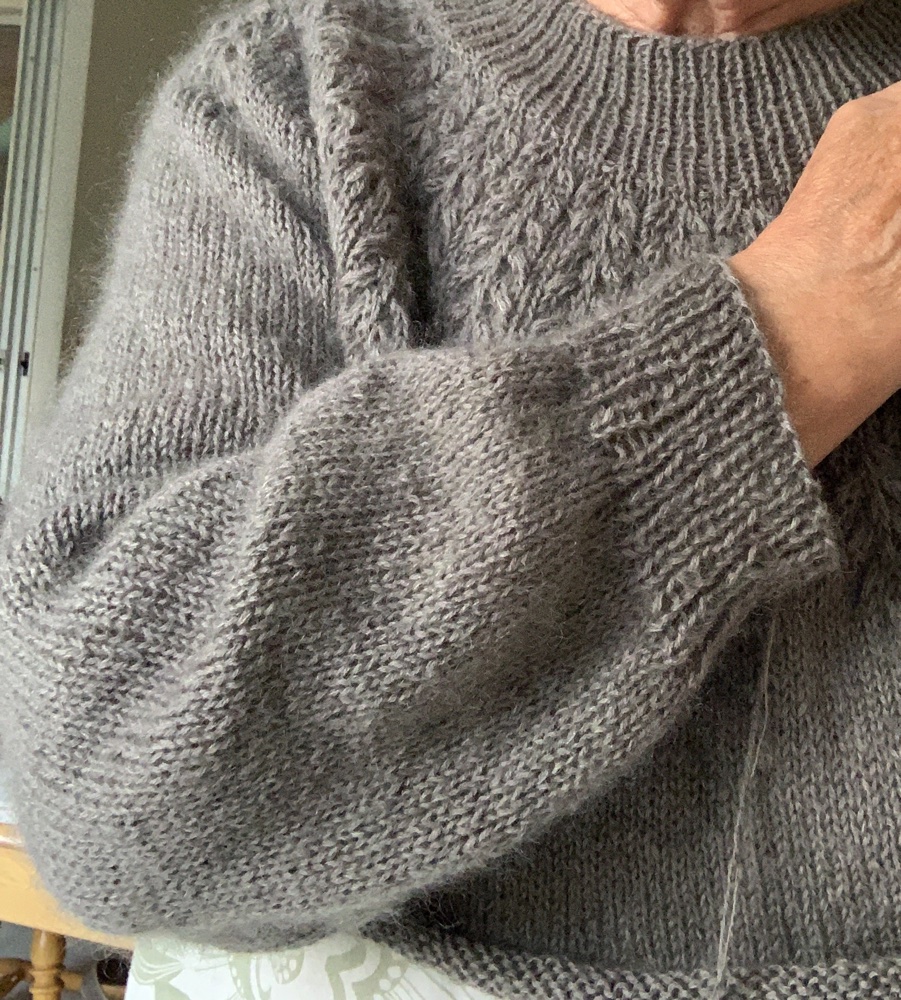
The Field Sweater knitting pattern has a beautiful textured yoke. The “grains” can be a bit daunting to knit, at first. A kind knitter has shared informational tutorials on her YouTube channel, and these helped me a lot. I wrote a whole page about beginning this sweater project and knitting the grains.
The Pattern
I found the pattern to be very easy to follow, but a few things were not as well explained as they could have been. The description of the M1L increase was different, but each row of the entire grain section was written out. I did find the grains easier to knit after watching the videos that were made by another knitter.
Changes
The only change made by me, was to knit a wider sleeve. Once the sleeve stitches were picked up, I decreased only enough to come to the 70 stitches that begin the top of the sleeve, for the size I knit.
I continued knitting, using a 16 inch circular needle, all the way to the cuff. For the row before the ribbing began, I decreased to the suggested number (50) for the cuff.
Sleeve Decrease Round
Just before the cuff ribbing, I did one round and decreased from 70 to 50 stitches. After much contemplation (and exasperation!)… I finally figured it out and did the round like this:
To decrease from 70 to 50 stitches all at once: *k1,k2tog,k1,k2tog,k1 – Repeat to end of row.
Hey, I have come across this page / site by Mimi Codd where she shares a calculator for this very thing! You can try it out HERE. In fact when I put the numbers in (70 stitches to decrease to 50) this is what I get: K5, k2tog, [k1, k2tog] until last 6 stitches, K6. This would have saved me loads of time. I’m linking it in my top of page menu under knitting.
Right sleeve finishedField sweater – not yet washed and blockedLove this comfy neckline
The sleeve ended up being loose, as I’d hoped, and was knit to the length suggested in the pattern. With a wider sleeve, it is possible to wear this over a top.
I did my bind off a little differently with a k1, p1tbl. Someone on Instagram had mentioned doing this as a bind off and I do like it.
Finished and Happy
Now, I have finished knitting this pretty pattern. The sweater fits me perfectly. It still needs a wash, but I’m already in love with it. It won’t be the last time I use this yarn.
Ready for a washFontana snuggle
More Knitting Ideas and Stories…
Please keep reading. I love to hear from fellow knitters.
Knitting sweaters and planning the next pattern. I always have more wool and ideas than time.
Sweaters knit using fingering weight yarn, or DK, generally take a while to finish. It’s a lot of little stitches to create a sweater for my size.
So, let’s start with my favorite WIP. The Field Sweater is pretty awesome. The yarn I chose is super soft and lovely and the fit is great. As of this post, it is not finished. I have the body left to knit. I changed the pattern for the sleeves to make them looser.
I love the neckline and love the fabric of the merino and mohair (both from Knitting for Olive). I can tell it will end up being a favorite.
I’m also knitting the Autumn Alpine sweater and this one is giving me a hard time. I guess it’s time to quit using patterns by this designer. For me, it’s always trouble getting the size right, or there is something about the pattern I end up not liking.
Corrugated ribbingRib colors match flowers
I began with a smaller size as I had planned to make this for someone else. Then, I didn’t really like the colors so I expanded the body to make it fit me. That really isn’t going to work – I don’t think. The neck is tight, and could get better after a wash and blocking, but overall, this is not a sweater I really love.
To end the knit quickly, I plan to do short, or 3/4 sleeves. The colorwork was fun (one of the reasons I chose this pattern) but I need to steer clear of this designer. She is very popular, and I am not putting her down, just saying that (for me) I have difficulties. She has some wonderful patterns and great designs, they just don’t work for my preferred style and sizing.
It’s easy to get bored with knitting a pattern. When the knitting takes weeks, or months, to complete, the mind begins to think about all those other colors and yarns, stashed in the back bedroom, just waiting to be used.
Sleeves and bodies are especially tough when the knitting is simple round and round and round. When I’m in love with the project, I can stay strong and get the task finished. The sweater will be a wonderful accomplishment. But, when the tedious knitting will end up with a project that is not such a favorite, it’s tough to continue.
I do plan to finish both of these sweaters before beginning another. Yes! I can do it (and I did finish them before beginning Rebel).
Yarn Stashed for the Project Queue
The new yarn in my queue is just dying to become something wonderful. I have more Knitting For Olive merino and mohair in pretty green. (The company is based in Denmark, but the yarn can be found at other places. They do offer free shipping from Denmark on a first order.) I chose green mainly because I have almost nothing to wear that is green. Also, you don’t see so many green sweaters being knit. So, it’s a bit unique.
Knitting for olive Yarn
Pea Shoots and Dusty Artichoke colors
The merino is “Pea Shoots” and the mohair is “Dusty Artichoke” and they will be held together to knit the Rebel Cardigan (link goes to the Ravelry page), by Ankestrick.
I tried a new online yarn shop to buy the mohair. The Starlight Knitting Society had a good price, and free shipping (although I don’t think it’s always free), so I chose my six skeins and had the yarn in no time. In fact, I had ordered one extra, which they ended up not having. I was contacted, and refunded, and all was good. It was a good price for this yarn, and with free shipping, I was very happy.
Harrisville Designs Highland
These Highland cones almost didn’t get to me. I had also ordered a book from Harrisville Designs, which ended up being out of stock. The order was placed around Christmas, so I figured it would take time. As weeks went by, I decided to check on the order and sure enough, the yarn was never shipped! It was all good, as customer service got it out right away.
Highland cones in color Suede
The yarn is Highland wool, on a cone, in color “Suede”. I seem to have a thing for neutrals, on the brown-gray side! I had to put in a search for the cones on the site (they don’t seem to pop up otherwise) and was happy to find lots of color choices.
Cones contain approx. 450 yards x 3 = 1350 yards of worsted weight yarn. Cones (as of this writing) are $25.50 each and Harrisville Designs offers Free Shipping over $75… so that was wonderful as well!
What will I knit with my Suede cones? I’m considering the Clotilde Cardigan for this yarn. I may change my mind by the time I am free from WIPs…!! I had also thought about using my Alafosslopi for the Clotilde. So, we’ll see.
Purl soho’s Good Wool
Good Wool is from Purl Soho. These skeins are very squishy soft and I can’t wait to use them for something. The wool is undyed and this color is called “Hickory Nut”. Yup, it’s light brown! Haha… I will end up with a lot of neutral sweaters I think.
One of the first things I knit was a shawl. A shawl can be a very easy project and might be perfect for a beginner knitter to make.
Shawls can be knit in various ways to make a variety of shapes. Most are triangular, rectangular, or crescent shaped. They can be knit from the top down, end to end, or a combination.
Crescent, or Half Moon Shawl Patterns
Because I live in the sub-tropics, I never wear any type of shawl. They can be fun to knit though. My favorite shape is the crescent. A crescent shawl can also be called a “half moon” or “half pi” or “pi shawl”.
Occasionally I come across a nice crescent shawl that I might want to knit one day. A smaller size shawl can often be knit using one (decent size) skein of yarn. That makes them cheap to knit, as opposed to a sweater project. It also gives a beginner knitter some practice on easier stitches, as well as practice reading a pattern.
I have not yet knit any of these patterns, but they are in my list of faves. Choose a wool yarn of some type and use the shawl like a scarf. All links go to the designers Ravelry page where the pattern is sold.
Interisland Shawl, by Donna Smith. Knit in fingering weight yarn, this one has a lace edge that is knit first. Very pretty. Yardage: 437-470 yds / 400 – 430 m
Dutch Tulips, by Alina Appasova is listed as “crescent” but it is kinda triangular too. I like it, so I am including it here. This one is done in various stitches including slipped stitches. Sounds interesting. 2 colors, 800 yards?
The Lone Skein Shawl, by Joji Locatelli, needs 440 yards (402m) so takes one large skein. It is crescent, but asymmetrical (one side is longer).
Slumber Shawl, by West Knits, has been a long time favorite. It is listed as a triangle, but is basically rounded with a wavy edge. It is listed in Stephen West’s Beginner Friendly Patterns.
Shawls I Have Knit – Mostly NOT Crescents
The Spindrift Shawl, by Helen Stewart – link is to her pattern page at Ravelry – was a free pattern (and still is if you sign up for the workshop) and the first shawl I made. It happened to be crescent shaped.
When I began knitting I went for yarn colors that seemed fun to use. Now I am more discerning about yarn type, and colors that I would actually wear! The shape is more important too.
All of the shawls pictured here (except for Vine Pops) were very simple to knit. Vine Pops was a MKAL (mystery knit-along) and I can’t even believe I stuck it out and finished. I was new to knitting, and the shawl had lots of lace. I’ve since decided that I do not like KALs.
The block of photos above shows all my finished shawls. I have worn exactly NONE of them!
All, except for Spindrift, are angular. When I was ready to take a trip to New Hampshire, I wanted a little wrap for my neck, and knitted the Railings pattern by Janina Kallio. It was a little crescent-shaped shawl and I added some mohair. Using mohair was a mistake, because the fuzz near my face was not good. But, I did wear it during my trip and it provided nice warmth, as intended. It’s a sweet little shawl pattern.
Maybe I need to write a page about knitting little travel scarves.
As usual, sweaters I knit by this designer end up long and big. After finishing the colorwork yoke of Autumn Alpine, I am looking at some options as I move forward.
The Autumn Alpine sweater pattern is offered by Caitlin Hunter of Boyland Knitworks. It is knit in a fingering weight yarn and has a floral, colorwork yoke.
Initially I purchased the pattern with plans to knit this one for my daughter. I chose the smaller size 2 for that reason. For some reason, although I do make a gauge swatch always, sweater projects from this designer always come out very big in the end.
I admit right off that I did not do a colorwork swatch for this pattern, only the stockinette stitch, but I did add a few rows of color. From experience, I go up a needle size for colorwork. As I knit this yoke, I kept thinking that it was getting quite long. Now that I am finished (with the yoke) and can measure it, the length to the split for body and sleeves is nearly 11 inches and not 8 as the chart on the schematic page of the pattern. (No measurement of the yoke is mentioned in the actual pattern pages, but I should have looked at that schematic page.)
Yoke finished
Am I going to end up with a droopy, oversize sweater once again? My Easy V sweater, by this same designer also came out long and large.
The Dilemma
Here is my problem. Normal stockinette swatched comes out right on target for size. I know that my stranded colorwork will be a bit tighter and the only option is to knit it with a larger needle or chance having it pucker when transitioning to plain stockinette on the finished garment.
A larger needle will also add length and apparently this is what is happening. Therefore, what can be done? I’m not a super experienced knitter when it comes to making my own gauge changes to a pattern…. so….I must go down a sweater size. Fortunately for me, I had begun knitting a smaller size anyway. Ordinarily I would knit a size 3 or 4 for myself, but I am following directions for a size 2. It is the shortest of the yoke charts and still came out very long.
Stitch Counts Comparison to Other Patterns For Body Width
Now that the body and sleeves have been split, I want to know if there are enough stitches to go around me comfortably. For this, I dug out two sweater patterns that I’ve already used. They are by designer Jennifer Steingass. I compared the stitch counts on the bodies to the stitch count I have for this knit.
My Autumn Alpine body stitch count is 240 (for the size 2). Goldenfern body stitch count is 252, and that sweater is plenty wide on me. Meadow Moon stitch count is 238 and fits me fine.
All sweaters are knit using a size 4 needle, but I knit various sizes of each pattern. If you notice, the small size 2 of the Autumn Alpine is close in number to the stitch count for Meadow Moon. It stands to reason that this current pattern will be large enough around for me. BUT, I used a different type of yarn.
The Yarn
I used Rauma Finnul yarn for both Steingass patterns. I love Rauma (and I love Jennifer Steingass patterns too). I’d have to say that Rauma yarn is one of my favorite yarns to date. I have lots of yarn yet to try, but both sweaters knit with Rauma came out soft and comfy and great looking.
Color “French Press”
This time I am knitting with Sonder Yarn company’s 4 ply. I bought it during a big sale and wanted to try it due to the gorgeous colors. This chocolate brown I am using (color way French Press) is pretty, but the yarn is alternating thick and thin, at times becoming very thin. Also, I’ve already had three knots in my first yarn skein. Even so, it is very pretty, and washes to become nice and soft.
Yoke finished
My color choices for the yoke are less than wonderful. It will be fine for me, but I would definitely have changed some things. I won’t rip this out, and consider it to be a bit bohemian and unique. I do love the examples (knit by others) where all one color, or close colors, were used for the colorwork.
Considerations
After browsing through the finished knits on the Alpine Autumn projects pages at Ravelry, I see that many sweaters seem oversize when worn. Helpful: **One knitter posted that she split for the sleeves before finishing the yoke patterning. This is a great idea if you want to figure out matching sleeves to yoke patterning.
Finishing Up The Sweater
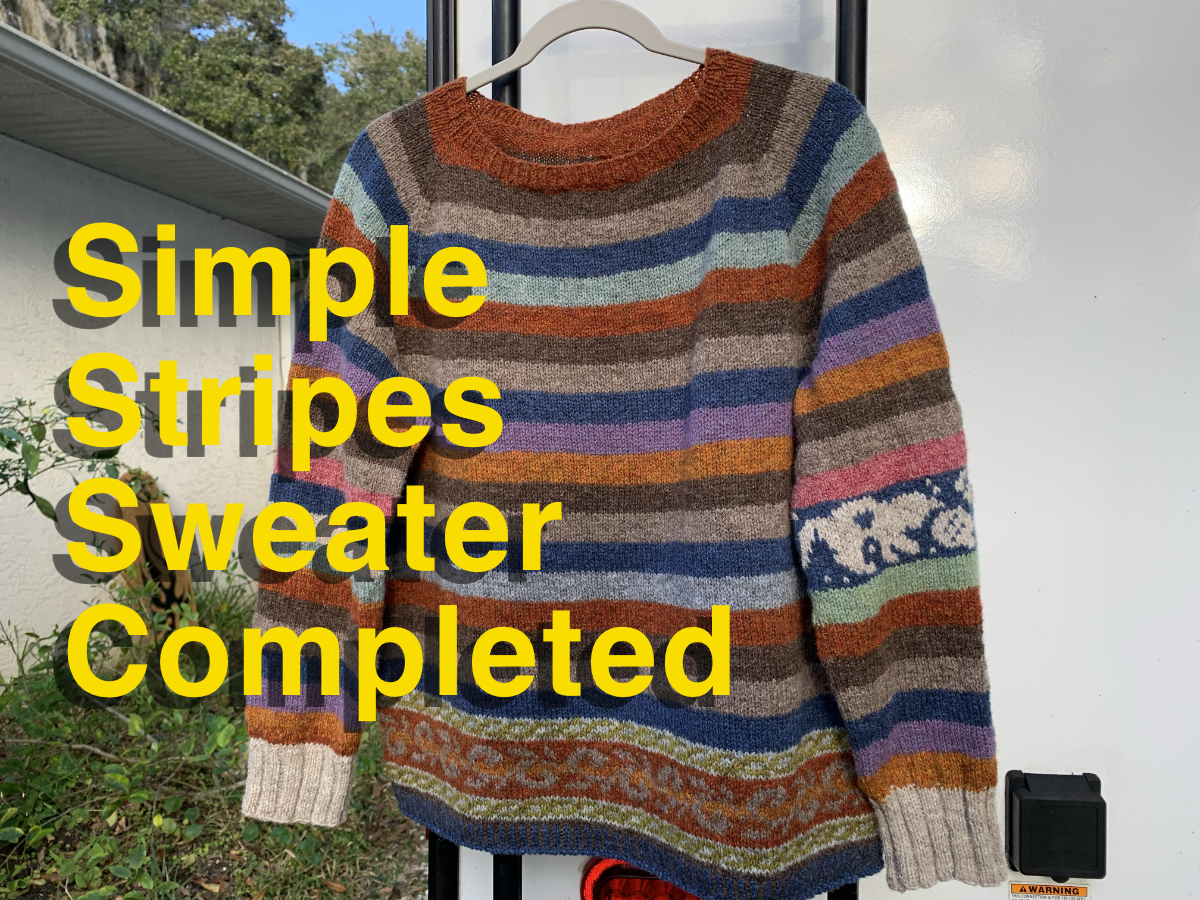
In the end, I chose to do a corrugated rib on the body. Then I knit short sleeves to make this sweater more of a layering piece. I feel relief at getting this project off the needles. Currently it is drying and then I plan to see how it fits.
Short sleeve version
Fixing the Neck
I plant to pick up stitches around the bottom of the neck ribbing and then remove the current stitches. It doesn’t work for me.
LayeredYoke and NecklineMy addition of seed stitch at sides to widen the body