Beautiful Cotton Suave Yarn For a Summer Top

Knitting a summer top pattern using some unique cotton yarn called Pascuali Suave. It is surprisingly lovely for cotton, which you would never guess it is.

Hello my knitting friends. I’ve taken some time off from knitting because life got busy and I was doing other things.

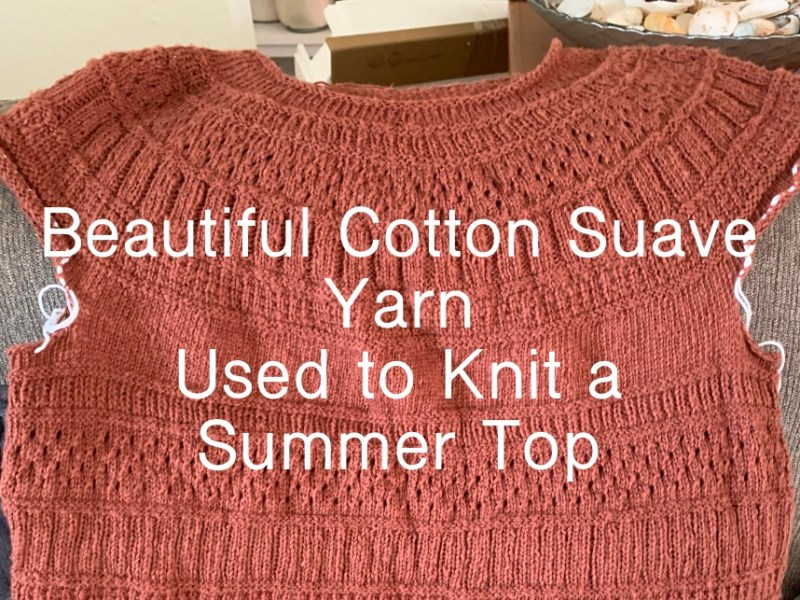
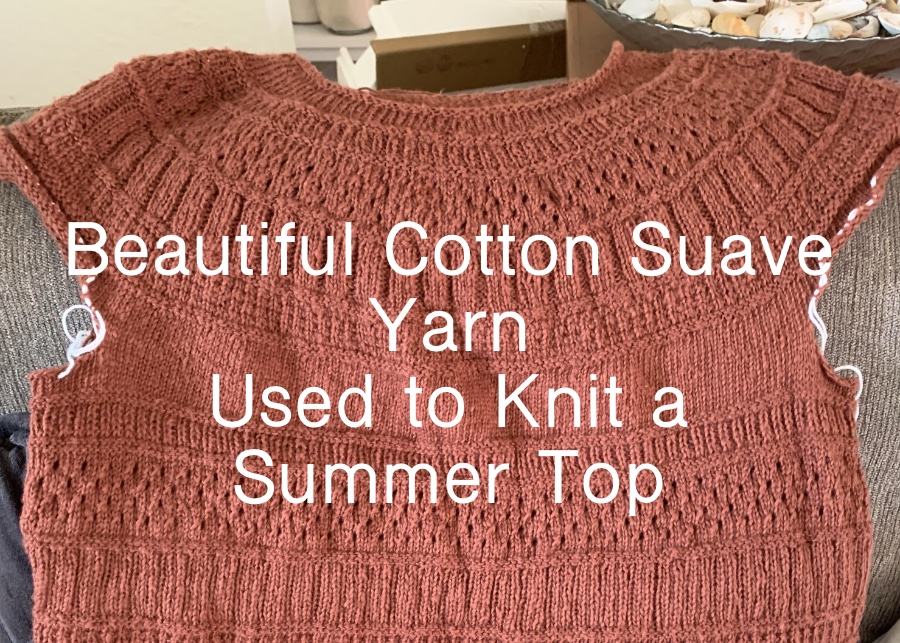
Back in September (a year ago!) I began knitting the pattern Knus Light as a summer top. I am using a very unique type of cotton yarn. Pascuali’s cotton Suave yarn (link to buy this yarn below) is creating the most incredible, light weight and soft fabric!

I seldom knit with cotton fiber because I just don’t like it, except for dishcloths. It is usually stiff, it shrinks, and it fades.

Characteristics of Pascuali’s Suave, Cotton Yarn

The Pascuali Suave yarn is made of 100% GOTS certified organic cotton. It is vegan friendly, and good for those with animal fiber allergies. It is fluffy (see my photos below) and looks fragile, but it is strong and holds together well. It can be machine washed on a gentle setting. Best of all, it comes in a wide array of beautiful colors. The color I am knitting with is Color 54 Brown.

After working with this yarn for the first time, I’m adding it to my favorite yarns list. It might be the best yarn for creating summer items that are truly perfect for my Florida climate!

How to Do a Sewn Bind-off, With Video

Now, I am nearly finished with the body part of Knus Light. It calls for a sewn bind off, or Italian bind-off for 1×1 ribbing.
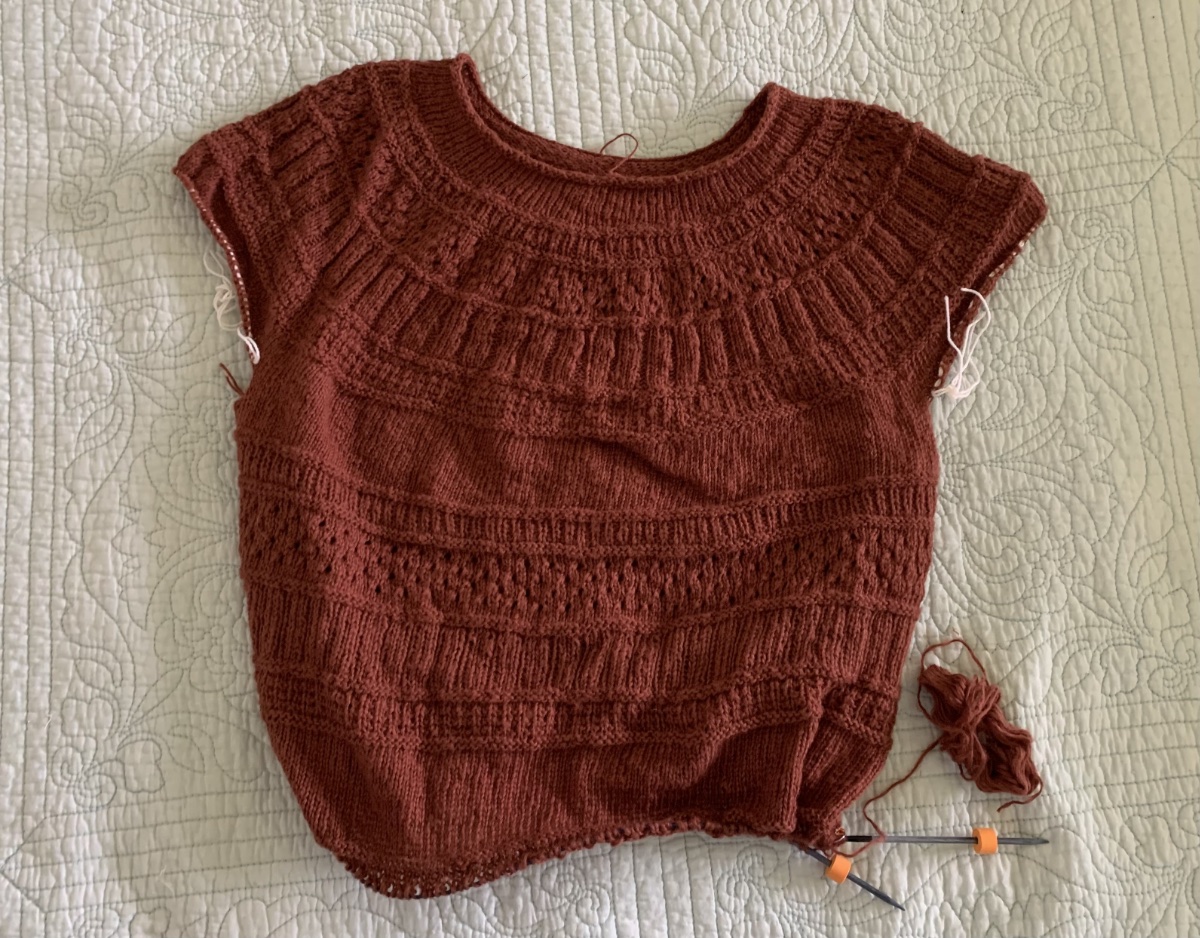
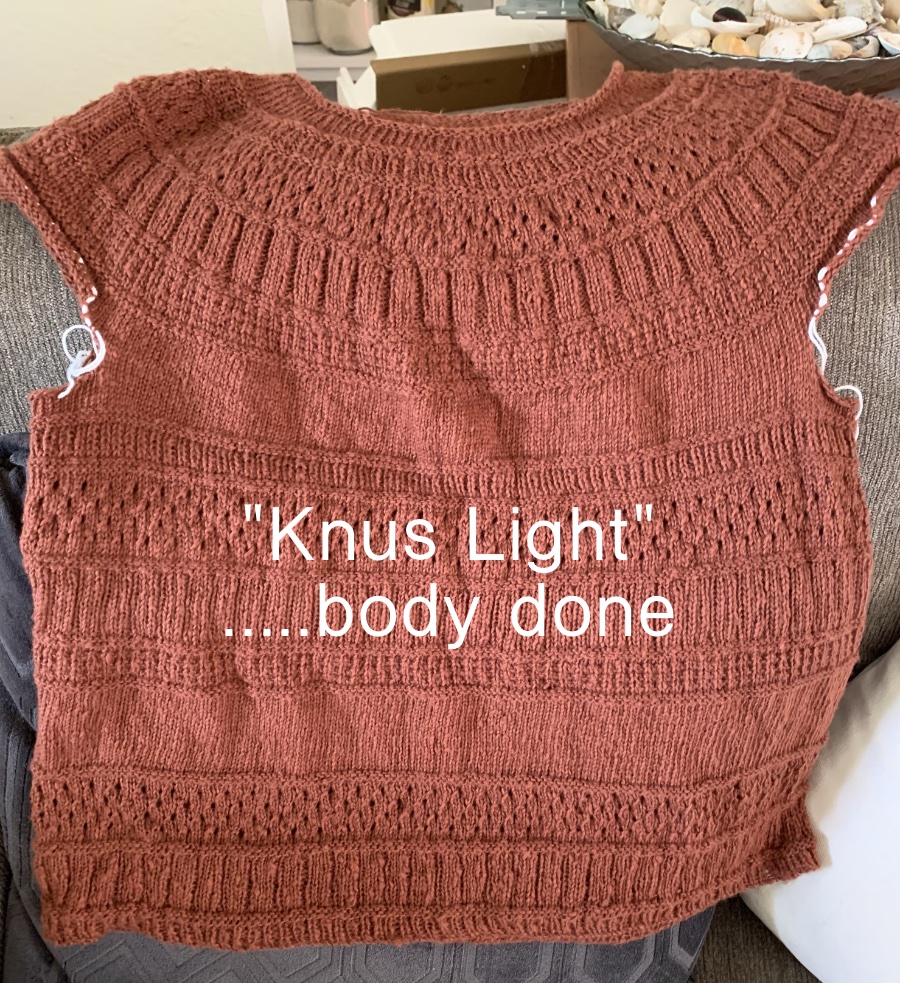
Here is a quick little video that I followed to begin the bind off. You will use an embroidery needle. It is quite easy. I’ve done them before, but I needed a refresher. This is also called an Italian bind-off.

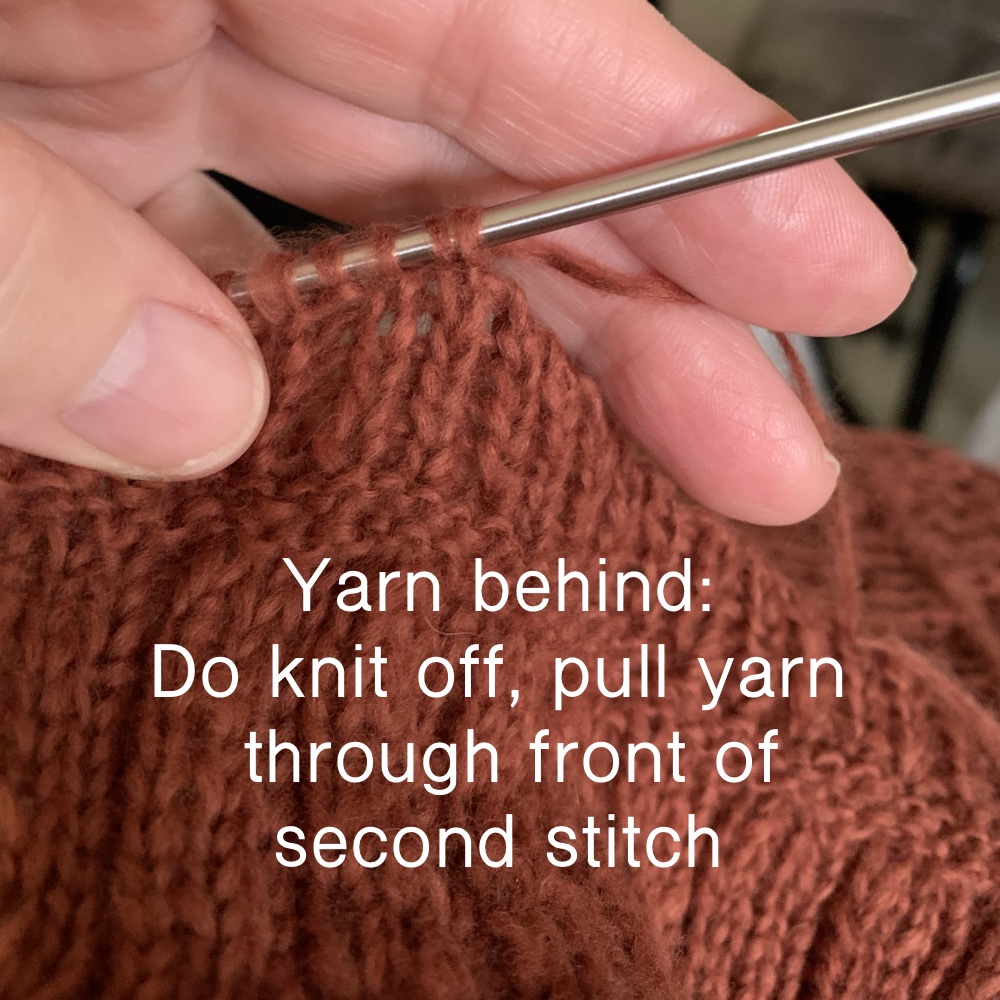
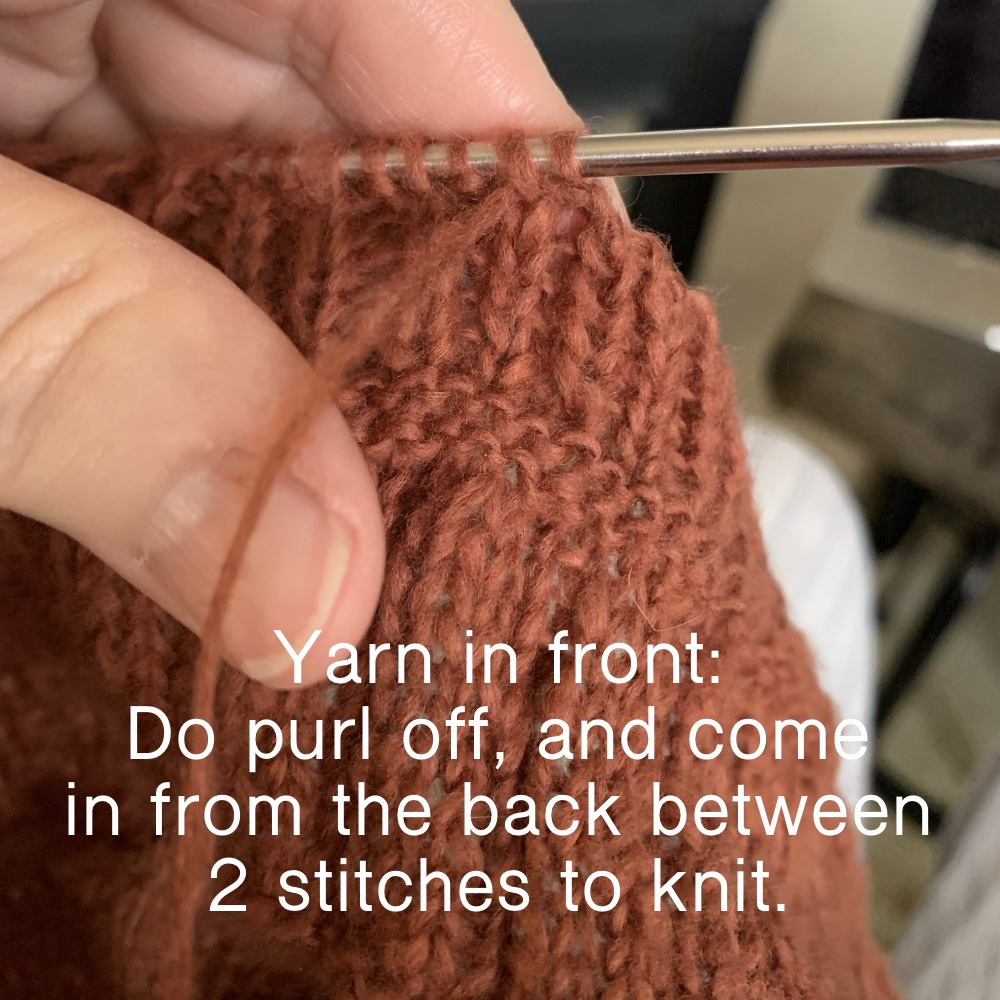
Here are some photos to remind you where you are if you set the project down while doing a sewn bind-off.

When you pick up the project, if the yarn is coming from behind, slip the first stitch off knit-wise. Then, put the needle through the front of the second stitch. Now the yarn is in front (photo 2).

If you pick up the project and the yarn is coming from the front, slip the first stitch off purl-wise and bring the needle from the back through the first two stitches and knit that second stitch. See the “quick little video” linked above to understand this better.
How I Got Into Trouble During the Bind-off

I ran out of yarn, which became a big problem. The cotton Suave does not splice, so I needed a way to connect more yarn.

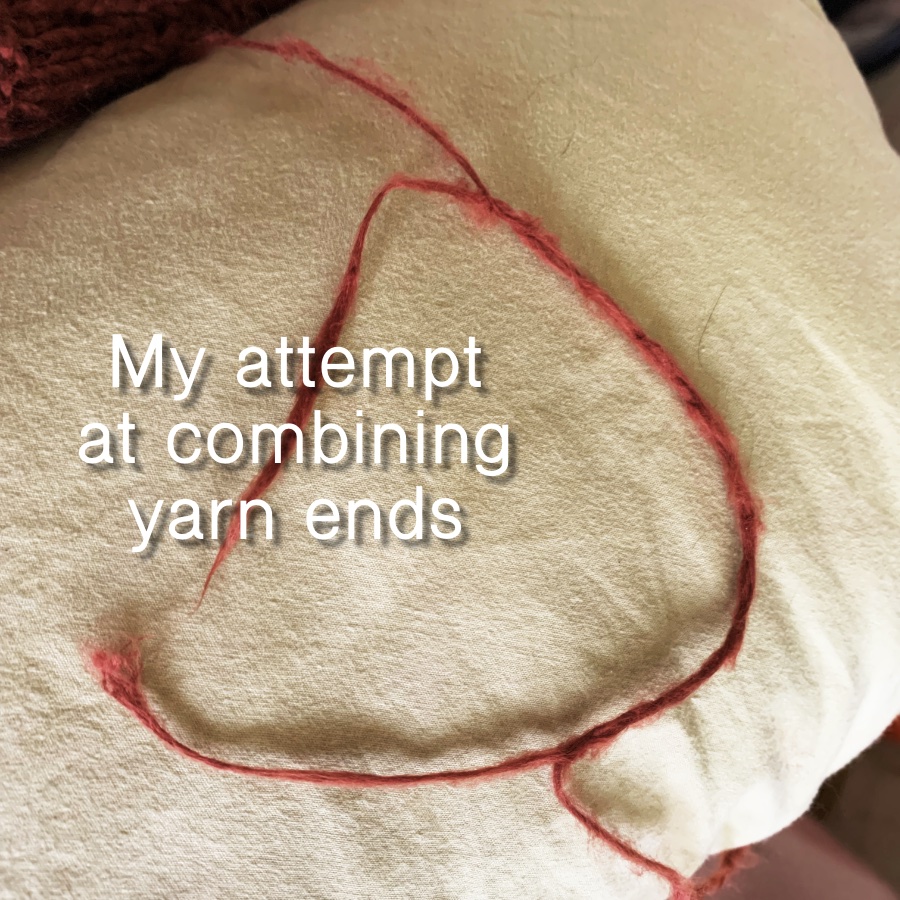
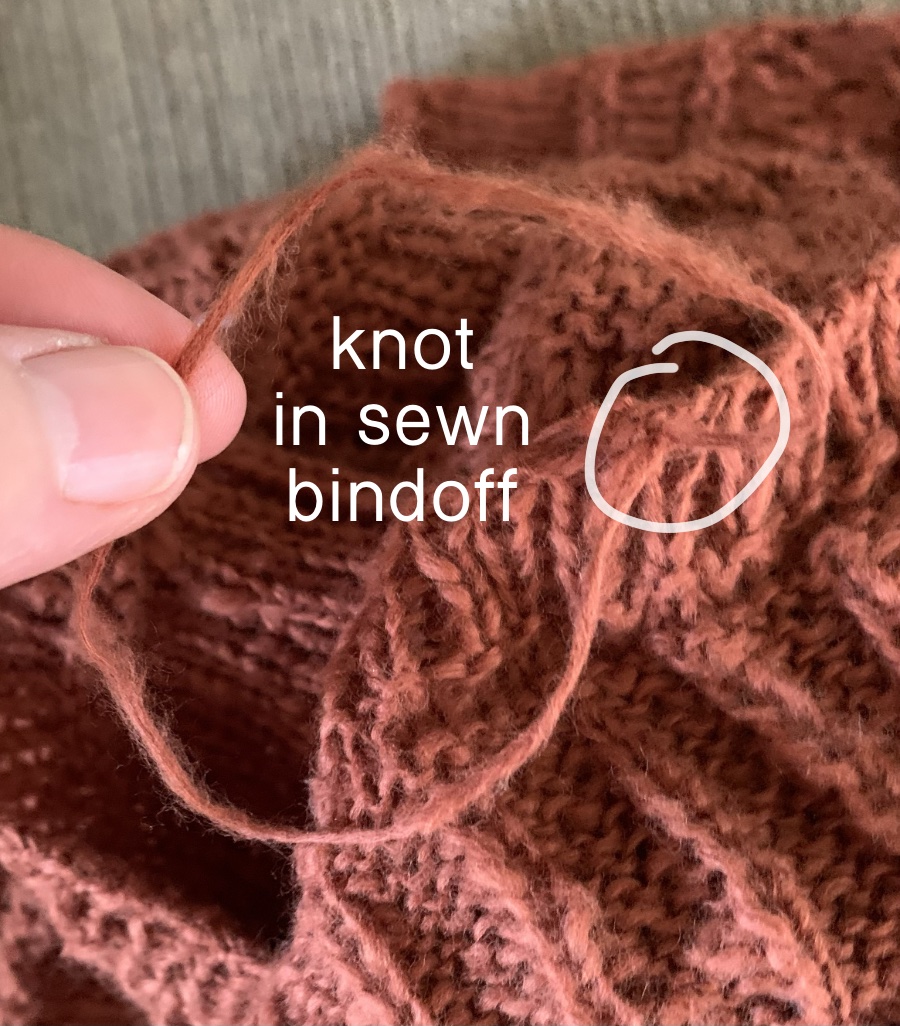
I did the attachment using a needle to go through each end as seen in this video. My cotton yarn is very different, but this would have worked had I been simply knitting and needed to attach yarn. But, when I tried to pull the yarn through the loops by sewing, the attached section of yarn bunched up, creating a knot.

I ended up leaving the knot with a loop hanging to the back. I couldn’t get it pulled through while sewing. I will cut the loop and weave in the ends. I really had no choice. I had already tried splicing and wetting the yarn, which didn’t work. I tried tying a tiny knot – nope, it wouldn’t pull through. By this point I was freaking out and hoping that the remaining length was enough to finish. It was, phew… It was stressful.

OKAY… after I finished knitting the bind-off, and published this post, I found this very helpful video that would have been great to know a few days ago… Anyway here it is… just in case you have my same problem of running out of yarn.
All I can say is either do not do a sewn bind-off using Cotton Suave, or make sure you have plenty of yarn to finish the bind-off. Attaching this yarn to itself is impossible. A sleeve would have been different, but the body is so big around that I didn’t have the length needed. It took me hours (and a bottle of wine – just kidding) to get the hem finished!

After the body, I still have the sleeves to knit. One thing I know, is that I will need one more skein of yarn to finish this project.

I Need More Yarn

I knew I was cutting it close with my yarn amount for this project. I did add some length to the body, and plan to make the sleeves 3/4 length. It means I need one more ball of yarn. I’m hoping that Wool and Company can match the dye lot.

Have you used the Suave yarn? What did you think? I’ve always passed by the so-called “summer tops” patterns because the yarn used would not be summery enough for Florida. Once the Knus Light is finished comes the true test – when I wear the top.

Thanks for reading.

Camel Yarn Weekend Hat Project

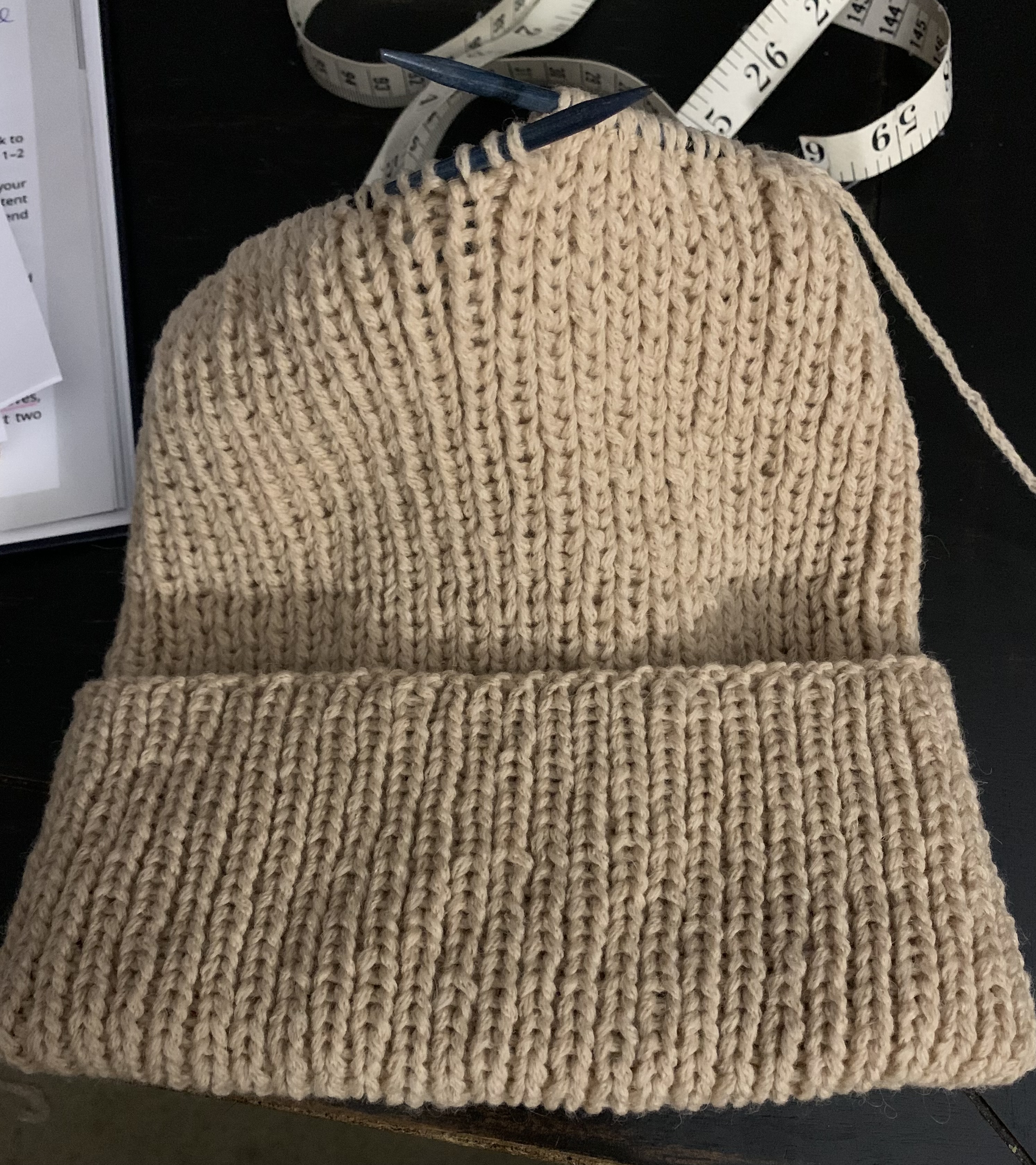
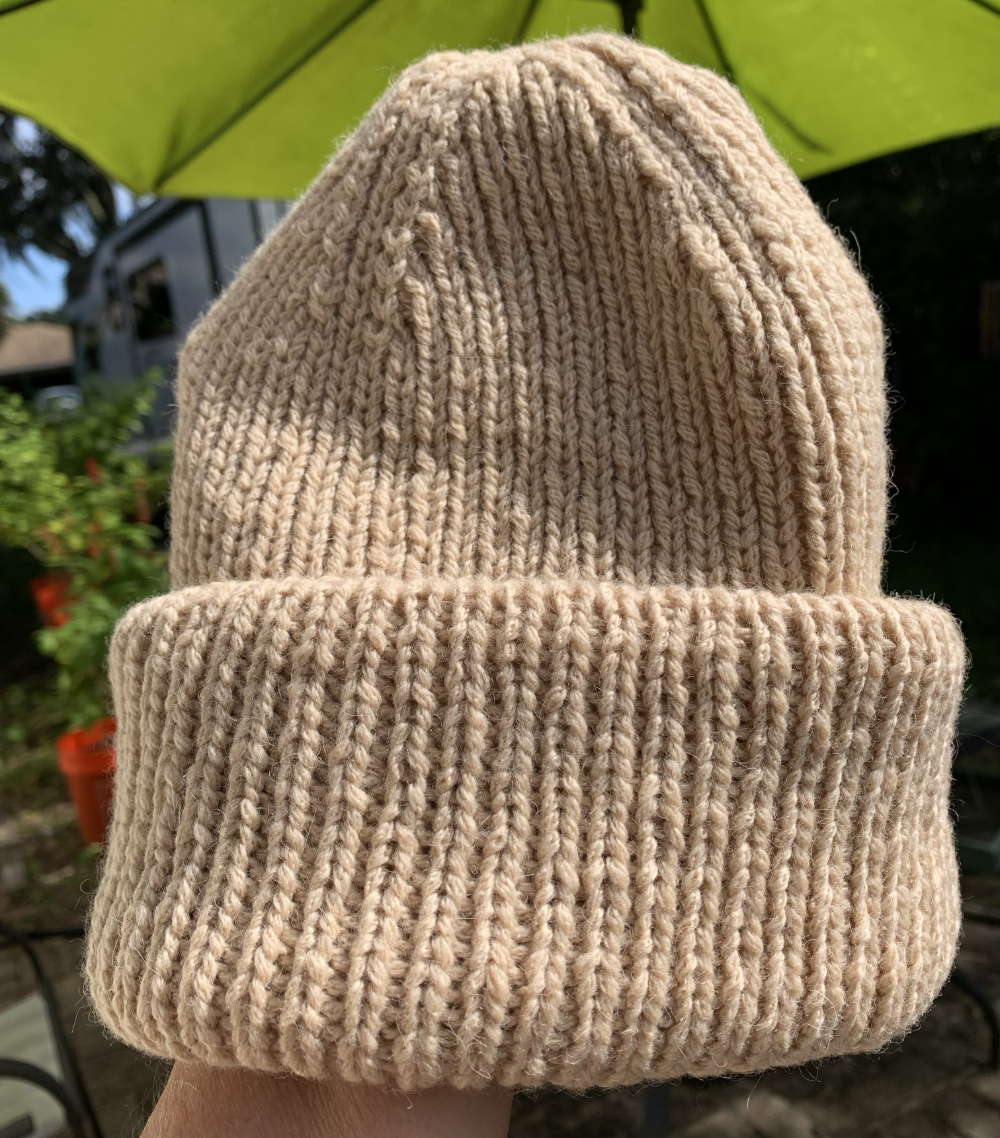
A simple ribbed hat pattern with enough brim folds to keep ears warm. The Weekend Hat is a pattern by designer PetiteKnit.

Petite Knit has a few hat patterns that I’ve saved in my knitting library. While searching for a good pattern to use with Camel yarn, I settled on the Weekend Hat.

This is a fairly simple ribbed hat. I couldn’t decide if I wanted to spend money on such a simple hat pattern. Why couldn’t I figure this out myself? I’ve knit many hats, but this one includes rows of knitting that designate where the hat folds. And this brim folds twice for keeping ears extra warm.

But for less than $6.00 I can follow a pattern and have the hat come out correctly, with no figuring on my part. Also, I enjoy supporting designers for their hard work.

This hat comes in six sizes – but… size 0-1 years measures 18-19 inches in circumference. This seems quite large to me. However, using a thinner yarn with smaller needle size, would keep the hat smaller. This size information can be found on the hat pattern page – you don’t need to buy it first. (Link below)

The hat sizes change as follows: Cast on numbers are the same for 0-3 years. Also the cast on is the same for the ages 3-9, small and medium, but the length (height) of hat changes. The Large size has a larger cast on and is taller.

Using Camel Yarn for the First Time!

Choosing a Needle Size

The knitting needle size suggested for this hat is a size 4. I cast on (I used this join to knit in the round) and began knitting using this size. It seemed too small, and after about an inch, I measured the stitches. Sure enough it was smaller than intended.

I wanted to go up one needle size but did not have a 16″ circular needle in size 5. So, I used my size 6. The camel yarn ball lists sizes 6-7 as the size to use with this yarn. Listed as a DK weight, this yarn is quite thick, and seems closer to a worsted weight to me. So, a size 6 needle seemed right.

The Yarn

It is a chainette construction yarn. Instead of plies, the strands are combined into a chain that is light and airy. Read more about the benefits of chainette on this page. Once it is knit, you will not see the “chain” texture. I was successful at spit splicing the yarn, but it took a lot of rubbing. This hat took 3 plus balls (buy 4) of Pascuali Camel DK yarn. I had quite a lot of yarn leftover, so the hat could have been made longer, or larger around. I knit the size Small.

As mentioned above, this hat will have a brim that folds twice. For this reason, the cast on edge will not show. I did a long tail cast on, and even though I began the hat with a small needle, it all worked out fine.

I knit size small and the hat fits me, although it is not for me. I was knitting for someone who has a small head.

I had enough yarn to make the hat longer / taller, but it would not have been necessary. I think it ended up the perfect height.

I took this quick (and non-perfect) photo wearing the hat. It shows how there is a little point at the crown.

Final Thoughts

The pattern is easy to follow and is mostly a 1×1 rib except for the few rows that make up the fold lines. If you would rather not include them, it would be easy to leave them out. Also, some Weekend Hat knitters knit the pattern but did only one fold for a more normal brim.

I suggest that you consider using the needle size suggested for the yarn being used. I did not knit a swatch to check gauge. My Camel yarn was closer to being a worsted weight and needed a larger needle.

This was my first project using Camel hair. I loved the feel of the yarn, which was soft and strong. Unlike sheep’s wool, the hat did not change much after washing. It also took three days to dry – but I live in a very humid place.

Now that I have finished knitting this hat, I can recommend the pattern. For the first time ever, I used Magic Loop to finish the top of a hat. I’ve used Magic loop for sleeves, but never for a hat. Small circumference knitting is always my least favorite thing to do.

If you are looking for an easy hat to knit, that covers the ears with many layers of warmth, I do recommend the Weekend Hat. I will be knitting it again using another Camel yarn. Be sure to watch for that yarn review.

More to read…

Understanding Knitting Pattern Theft and Its Impacts

Pay for your knitting patterns. Never accept a copy, or you are actually breaking the law. Designers work hard to create those awesome patterns for us. It’s only a few dollars, but designers need to earn from their creations to keep their small business afloat.

Ever since I knit a little scarf using Pascuali yarn, I have added this company to one of my favorites. The company uses sustainable practices to create the yarn they sell. I have opted in to receive their newsletter. A recent article entitled, “Sharing Isn’t Always Okay” got my attention. It is about the protection of intellectual property, such as knitting patterns, and how patterns should not be shared. Please click the link and read the page if you are wondering what it’s all about.

I was happy to read the article by Pascuali, and can absolutely sympathize with knitwear designers who’ve lost money due to “sharing” of patterns. Getting the word out will be helpful for those who never knew sharing patterns was not a good thing. Knitting patterns are relatively cheap for all the work that usually goes into them. Give the pattern writers the money they deserve, and send knitter friends to the purchase page. It’s only right.

My Own Experience With Copying

I know all about this because I also do online design work. I do not sell knitting patterns, but I sell my graphic designs. I work for a print-on-demand company called Zazzle that uses my designs to sell on products. I make a small royalty for the designs. I’ve been doing this, and mostly making a pretty good living from it, since 2008.

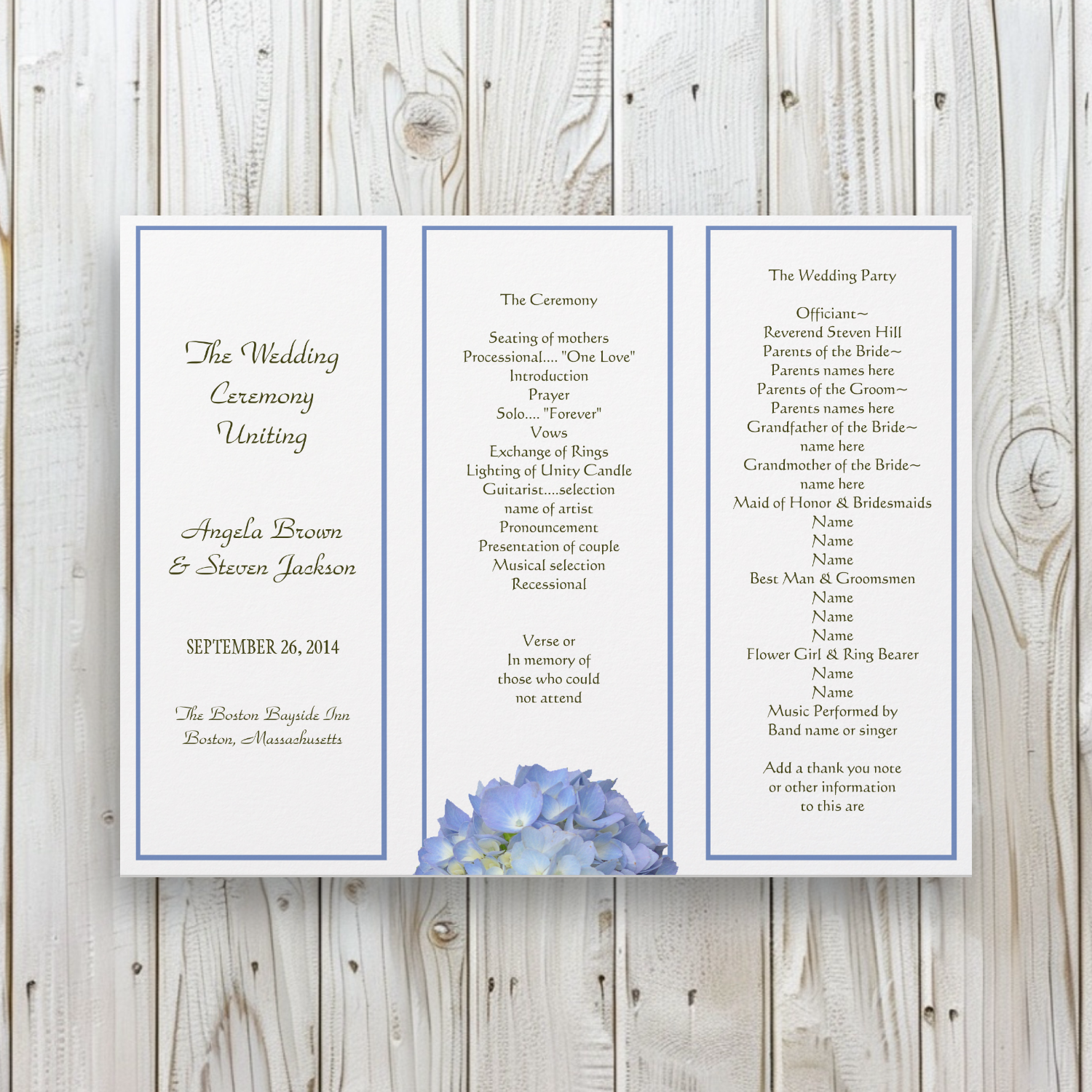
Whenever I see a sale, in my shop, of one invitation, or one wedding program (see below) I know it will be copied. Who buys one of these things? In all fairness, a bride may want to see the invitation in person before ordering more, but I seriously have not seen someone come back and buy hundreds after buying one. The buyer wants a deal. They will copy it and distribute it instead of paying for the required amount.

Zazzle design program thievery
This program was a recent single item sale. Who would fill out all the information and only distribute one program at their wedding? This will surely be copied by the customer.

Even though I can now offer my designs as instant downloads, for one price, to have as many as needed, I still see single invitations being sold. Either people don’t understand that they are doing something illegal, or they don’t care.

It annoys me. Just like I’m sure it annoys knitting pattern writers. We spend lots of time and effort to create something unique and sellable. Whenever that “thing” is shared, copied, and handed out willy nilly, the designer loses money. If you do this, you are stealing. A creation (pattern / design / and much more) is protected as intellectual property.

A while ago I had pillow designs stolen from my Zazzle online store. Someone was taking screenshots and then using the images to sell their own pillows at Amazon. The designs were mine, and they had no right to do that. I used up a lot of valuable time creating take-down notices at Amazon. Sometimes I had to do that over and over before the pillows were gone.

Really, if you work online, and share things for sale, you will become familiar (unfortunately) with thievery.

Sometimes readers of this blog will ask me for a pattern. I always send them to the designer’s page if possible. I’m also skeptical of some “free patterns” and especially those that disappear. Were they actually a rip off of a pattern designer and they got caught? Maybe, and maybe not. I am never going to share a purchased pattern. Buy it for yourself. I write this blog to help knitters decide which patterns they might like to try.

When shopping online we all need to be careful. Making copies takes income away from the designer who is counting on it to keep their small business afloat. Think about this when you pay $6.00 for your next well-written, size-inclusive, and easy to follow, knitting pattern. Someone worked hard to create that for you!

Thank you for reading.

More yarn stories: