Understanding the Turtle Dove Sweater Pattern Increases

Twice I’ve bought sweater patterns and lots of yarn to knit them, and both times I’ve not been able to accomplish the patterns. Since I have all this yarn to use up, I’ve kept an eye out for a simple sweater to knit.

The Turtle Dove sweater pattern has raglan sleeves and also droopy underarms. What is that called? Bat wing? Anyway the armpit area is long. It’s not my favorite type of sweater, but the finished projects, knit by others, look quite nice. You can see them at Ravelry. It also looks comfortable. And, oh ya, it is a FREE pattern..!! Yes, that drew me in.

I’m not an experienced sweater knitter, and after my last two tries at knitting were flops – the Oxbow disaster really turned me off – I swore I wouldn’t knit a sweater this year. But all that yarn, stacked up in my spare bedroom, kept stressing me out. I needed to use it for something.

Beginning Sweater – #1

My first attempt at knitting the Turtle Dove sweater, which I had to frog.

I used Arranmore yarn for my first attempt. This was frogged because I did the short row shaping in the wrong place. I didn’t understand the marker placement.

I ripped out the yellow knitting and began again with Brooklyn Tweed’s Quarry. (My photos on this page are of the same yarn, but the color “Geode” photographs very differently.)

First, I researched “how to knit a raglan sleeve sweater”. I discovered that raglan sweaters are supposedly the easiest type to knit. You mark out your sleeves and make increases. The pattern began to make sense when I realized this.

I’m writing this page because I couldn’t find answers to my questions about this pattern. And, I’m not the only one who had questions.

Sketching Out the Pattern Increases

The marker set up row is separating out the sleeves, and marking the front of the sweater and the back. The markers DO NOT show the center of these areas, which was my mistake. The pattern does say that the markers denote the “divisions” between the areas. For some reason this did not click with me. Duh.

I had to draw out the directions. When I sketched out the marker placements and where the increases would be, I first thought that the right and left sleeves were mixed up. Then, it occurred to me that I am knitting the sweater upside-down, so the R and L labels were correct, of course.

sketch of how to knit the Turtle Dove sweater
Knitting the Turtle Dove

On the “marker setup row” first you knit the smaller amount of stitches, and place the marker – those stitches are the sleeve stitches, also called raglan stitches in this pattern.

Knitting around and placing four markers gives you both sleeve placements – the sleeves are within that smaller number of stitches. Knowing this, gives you a feel for the back and front areas of the sweater, which you need to know for placement of the German short rows at the back of the neck.

German Short Rows and Video Help

To begin the short row shaping, the pattern directions say to “knit across the right sleeve, front, and left sleeve, and then begin short rows. The short rows will go between that last sleeve marker and the BOR / back stitch marker. This area is the back of the sweater.
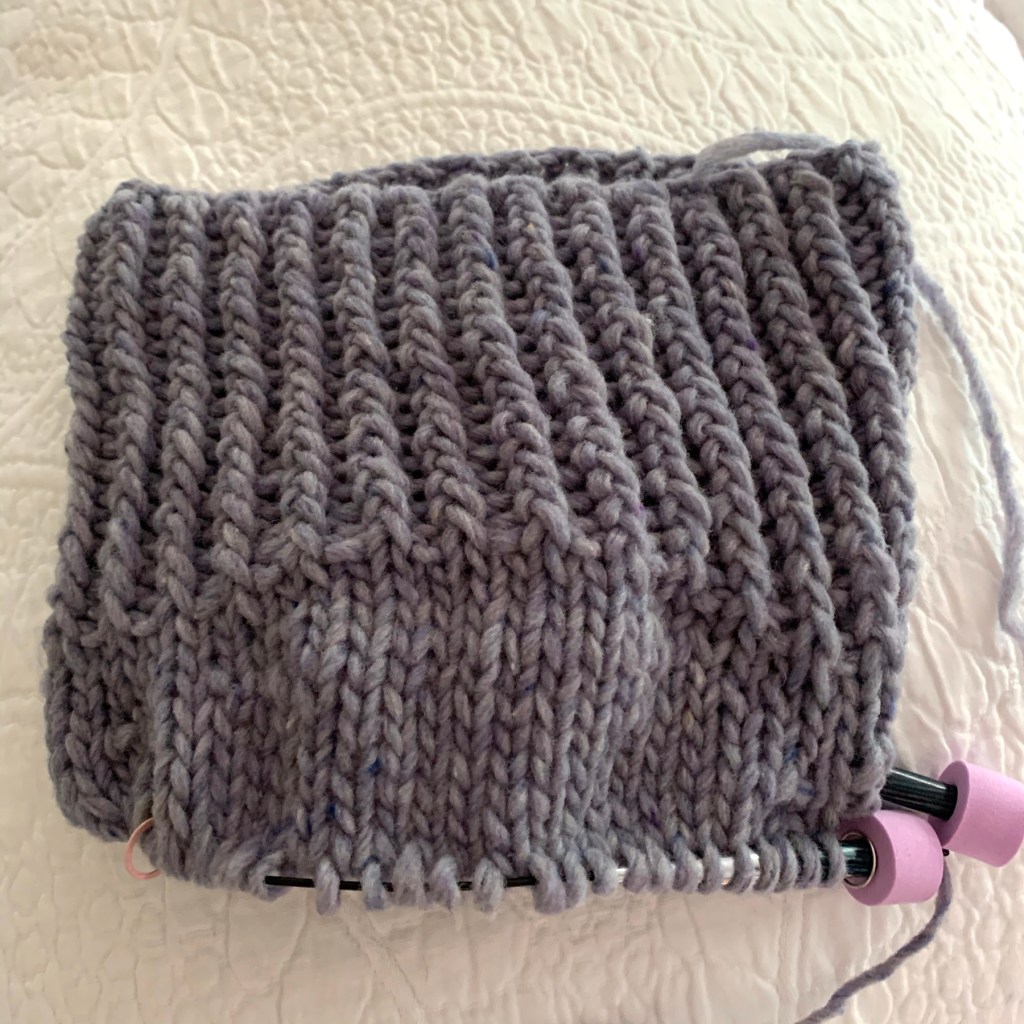
Neck and short rows done
Neck knitting will become a fold-over turtleneck, and those are my short rows.

I’ve never knit German Short Rows before, but after watching the Purl Soho video I did them just fine. The pattern suggests watching Very Pink Knits video, and it may be the one I list here, but I preferred the Purl Soho video.

These links go to YouTube: Very Pink Knits and Purl Soho. Very Pink Knits also has a slow motion video.

Raglan Increases

Now that I can “see” the pattern, when I get to the section where I will “Begin raglan increases” the rounds make sense. On Round 1 increases will be made before and after every marker. In the pattern they are called “raglan markers”. On Round 3 the increases are made at the front and back sections only – next to the markers.

Turtle Dove sweater knitting
Sweater front

Needles and Sizes I Used

This is my info, and you will use the needle sizes to get gauge for your project – it will depend on the yarn and how you knit. Gauge is listed in the pattern.

The pattern suggests using a smaller needle size for the ribbing to begin, but I used a size 11, which I am also using for the sweater. I tend to be a tight knitter and I did not want a tight rib around my neck. I knit the rib for 5 inches, to have a good roll down. I decided that I didn’t want the neck to stick up. I’ve tried it on and the neck is fine.

I cast-onto a 16 inch needle, following the directions for a size Medium, using the Old Norwegian cast-on – or something like it. (By the way, if you do change needle sizes after the neck, continue to use a 16 inch length needle – once the stitches get crowded, switch to a 32 inch length.)

When my stitches became crowded again, I bought a longer (40 inch) circular needle. I am knitting with yarn that is quite bulky.

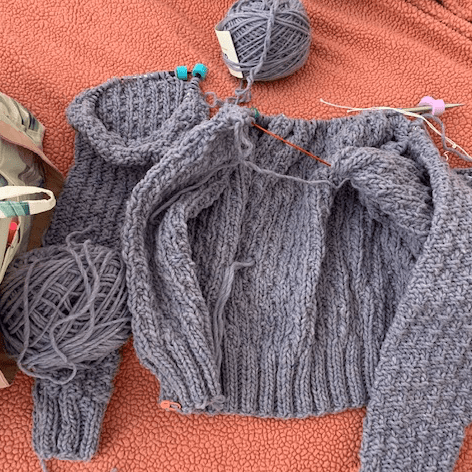
Turtle Dove hand-knit sweater in Quarry yarn
The front

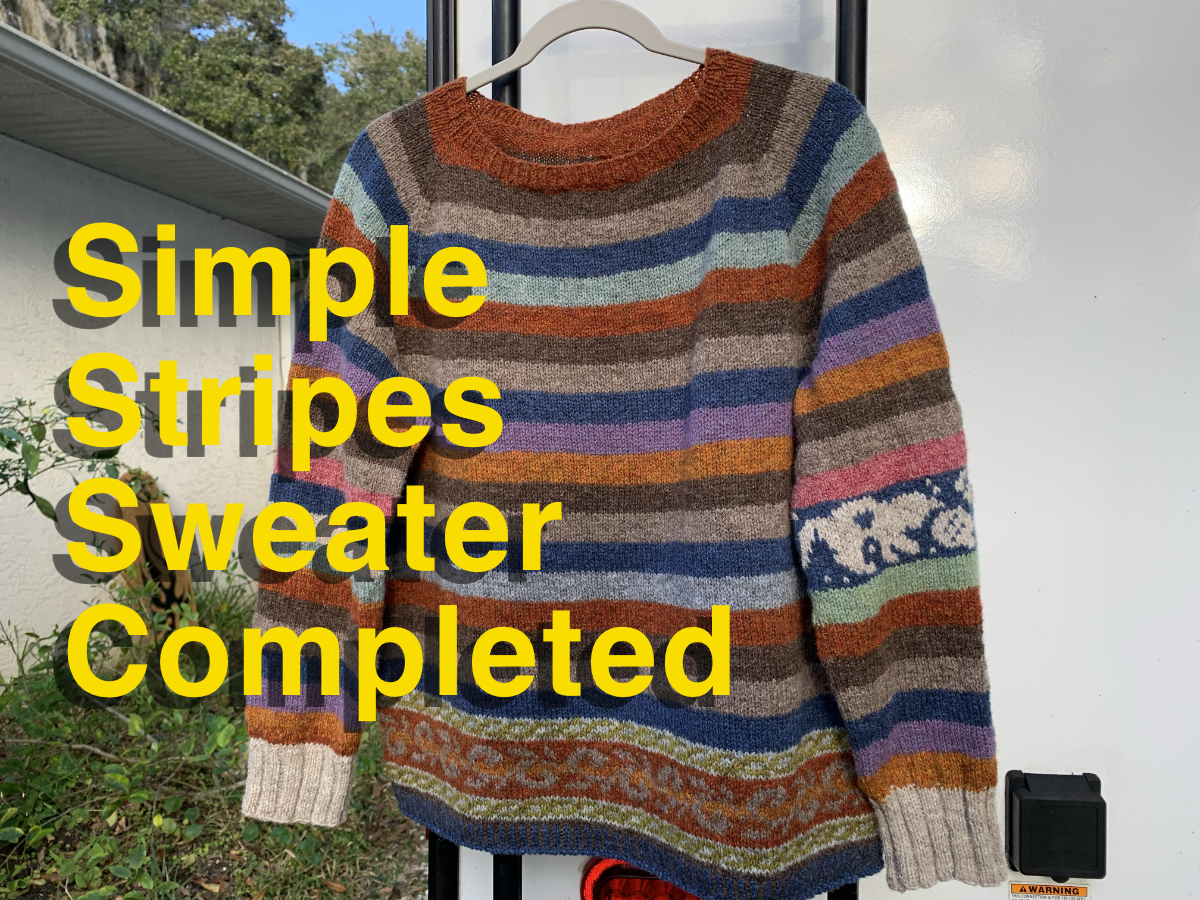
See photos of my finished Turtle Dove Sweater.

Discovery!

This is a pattern by Espace Tricot, which offers all their patterns for free! What? That is what their Ravelry page says. Based in Canada, they have a YouTube Podcast, website (for their yarn store), Ravelry page and forum, and a blog. Yay, a new designer to follow! I will be looking into all this further because I see that they offer some really nice FREE patterns!

More Free Sweater Patterns by Espace Tricot

  • Gingerbread Sweater – new raglan pattern that uses two yarns held together, or use a heavier single yarn for knitting.
  • Bright Side – also a classic raglan pattern knit with fingering weight yarn.
  • Calliope – Raglan with expanding rib at neck and long rib on sleeves. I have knit this sweater and you can see the Calliope page here.
Read More on My Blog

Free Hat Pattern Knit in “Mad Hatter”

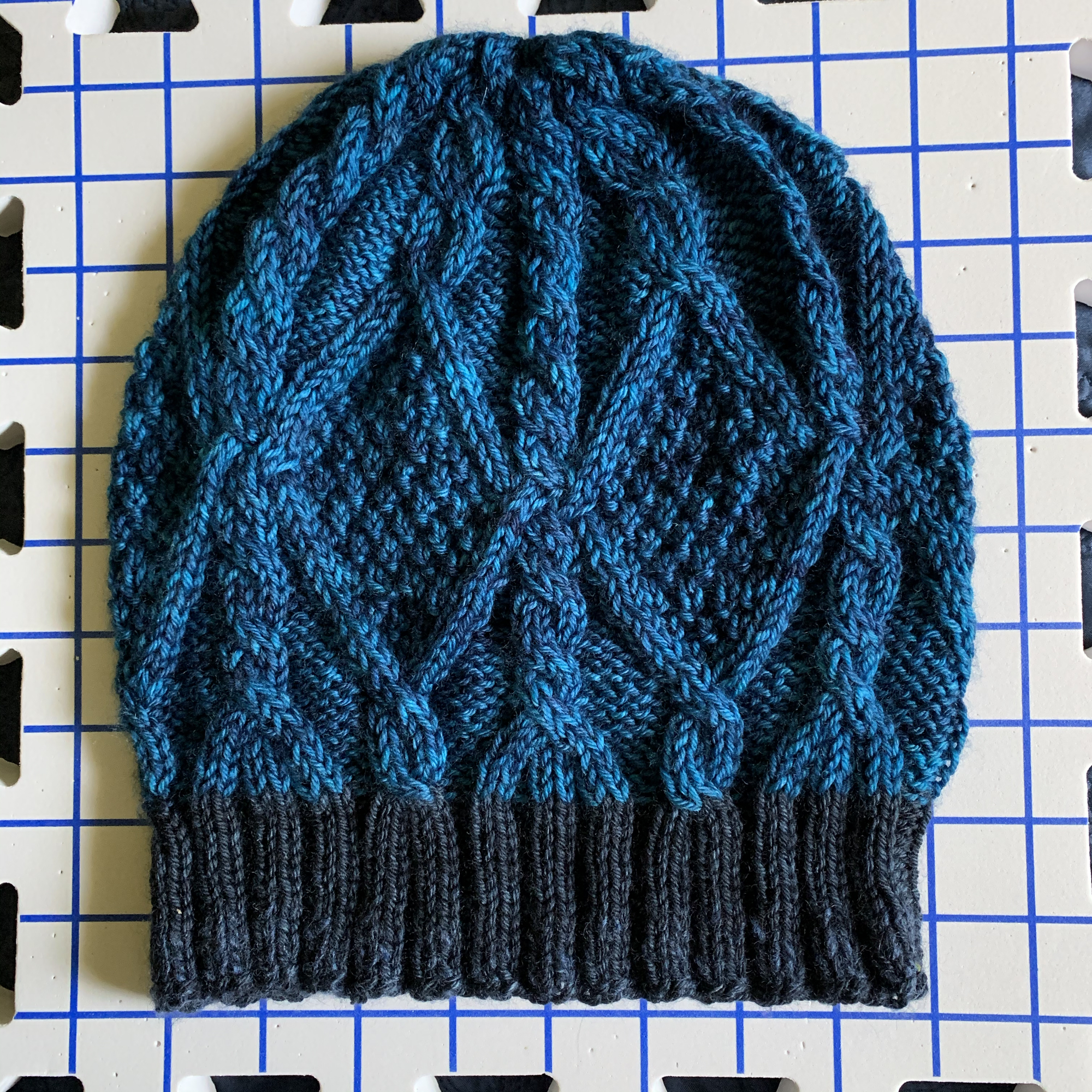
In need of a hat pattern that was fun to knit, I began to search my favorite patterns which are saved at Ravelry. Many hat patterns are simple enough to knit up quickly. The Colorado Chic(k!) Beanie looked interesting, and it could be knit in a heavy weight yarn – and it’s free!

Continue reading “Free Hat Pattern Knit in “Mad Hatter””

Patterns and Yarn, Hits and Misses So Far in 2020

First the Hits – Love These Patterns Enough To Knit Them Again!

Notice that these are hats, which I have always loved best. Even though all three hats pictured here came out large, I had loads of fun knitting them, and am pleased with the outcome.

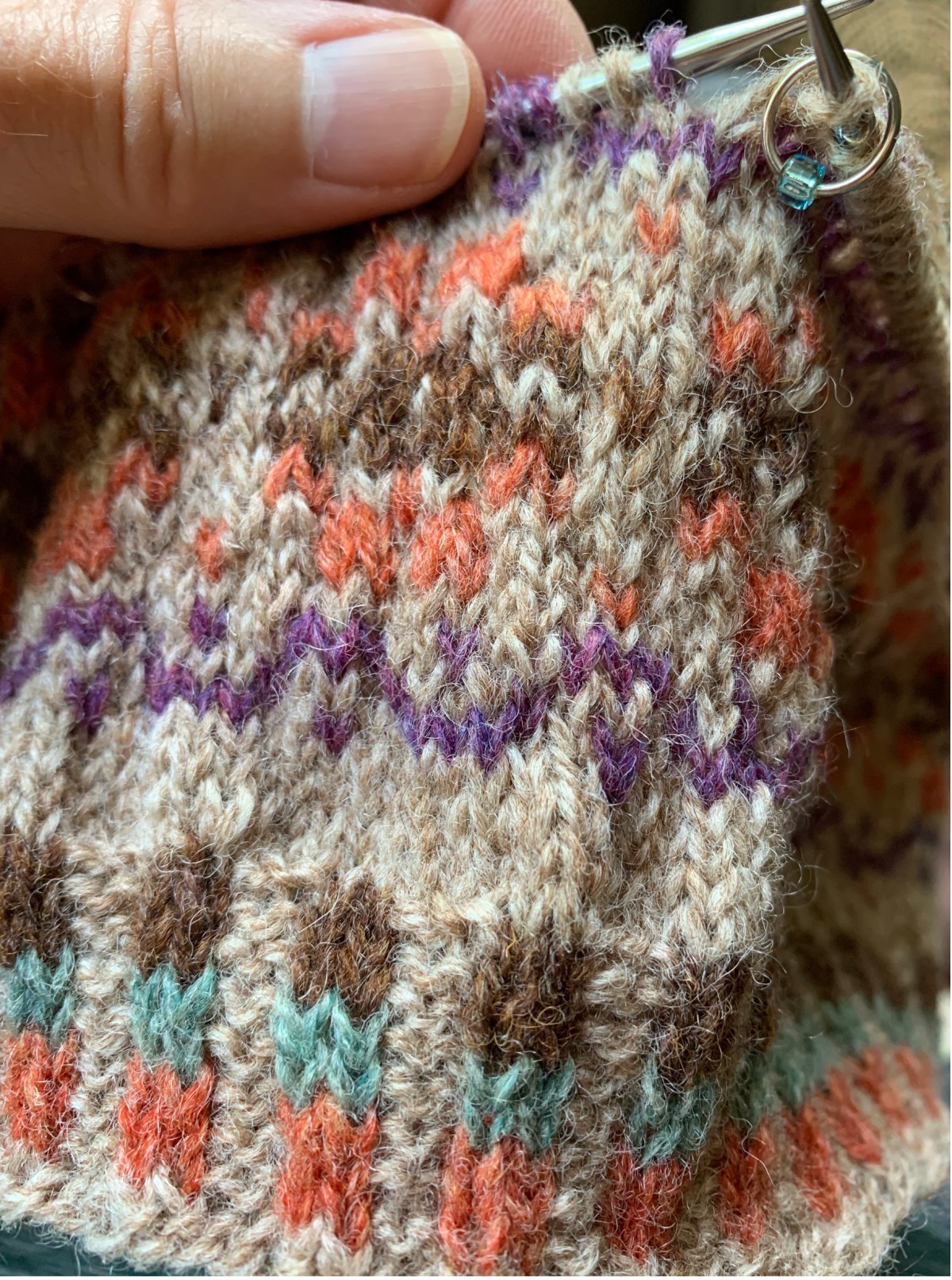
Colorwork and cables are becoming fast favorites of mine. Left to right: Tettegouche, Skiff (beanie pattern), and Katie’s Kep.

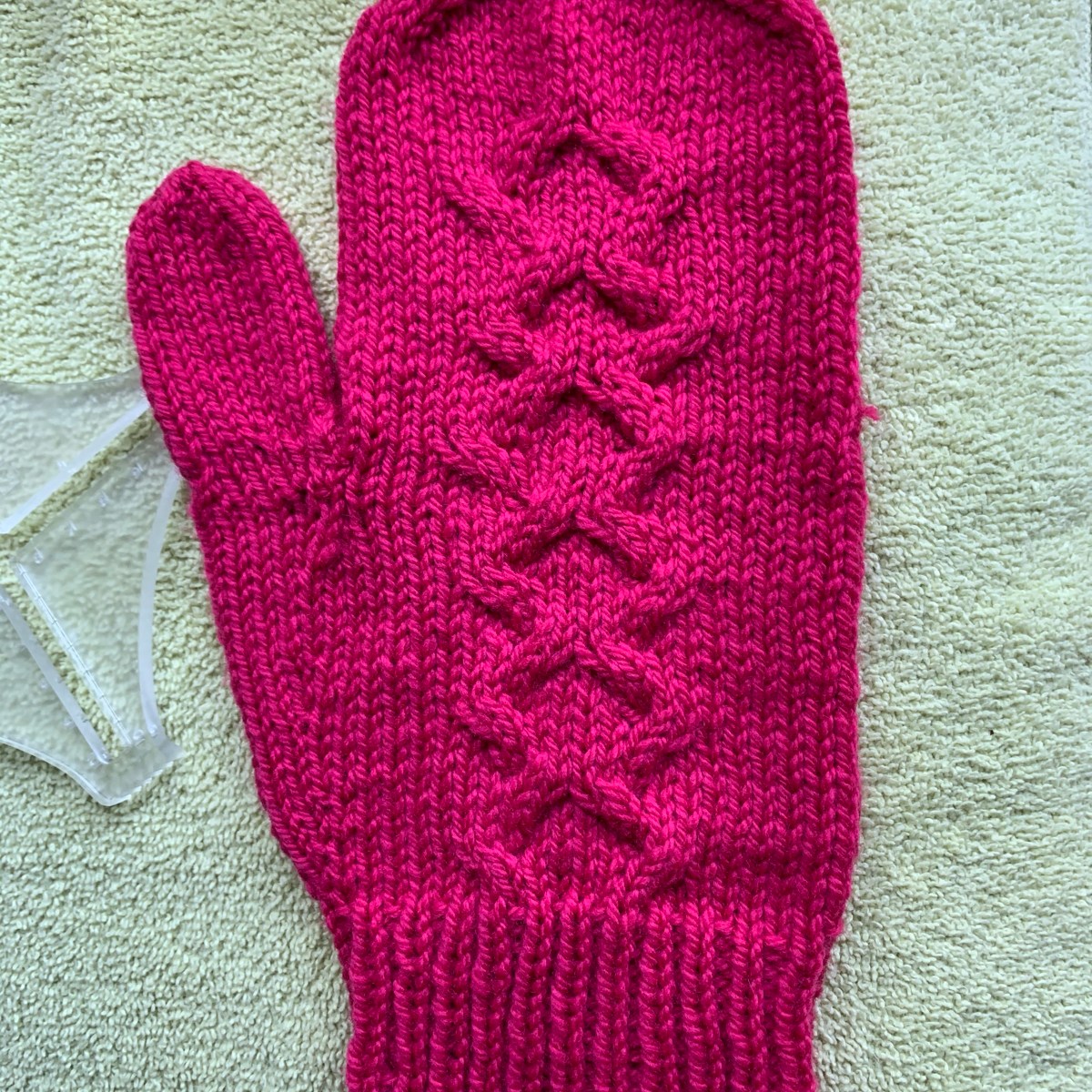
At the beginning of the year I knitted two pair of mittens which turned out perfectly! They were fun to make and if I didn’t live in Florida, I would be churning them out like mad. (L- Fiddlehead, R – Glissade)

Too Many Misses, Some Are My Fault

Over half the year 2020 has passed and I’ve had many knitting projects fail for me. A project fails when I cease to like knitting it. When I dread picking up the project and working on it, I ask myself why do I keep on going? When I decide to stop knitting, and put it aside, or frog it, it’s because I have either chosen yarn I hate (Over the Top Tee), or the pattern is difficult (Oxbow Cardigan), or I knit as called for and don’t like the look (Millet mittens and Golden Afternoon Mittens).

The Snowfall Socks, in orange above, have been on the needles for months now. I’m using Tukuwool, and it’s very scratchy, otherwise I do like the pattern. I may never finish.

Yarn Buying Mistakes

Projects are often purchased on the spur of the moment, and I can say the same for yarn. Sales are the knitter’s downfall. Who can pass up a great deal on lovely yarn?

But buying sock yarn, when you have no desire to knit socks, or shawls, any longer, is a waste of money. I’m learning which types of yarn work best for the projects I like to knit. Sock yarn is pretty, but it’s not what I reach for these days.

The Milarrochy Tweed yarn is one I regret buying. I tried knitting with it and just didn’t like it. It’s very thin, with little thick bits. Also, it is a single ply yarn, which I am beginning to realize I dislike.

Milarrochy Tweed yarn
Milarrochy Tweed yarn by Kate Davies Designs

Tukuwool sock yarn is another I would not buy again. The colors are beautiful, but the yarn is scratchy. I bought these skeins from a shop that requires $99 in sales for Free Shipping, so I over-bought, thinking I would of course use it one day! (I despise paying shipping costs.) Bet I am the only knitter who does that sort of thing… hahaha!

Tuku wool sock
Wool yarn from Finland

New (Happy) Yarn Discoveries in 2020

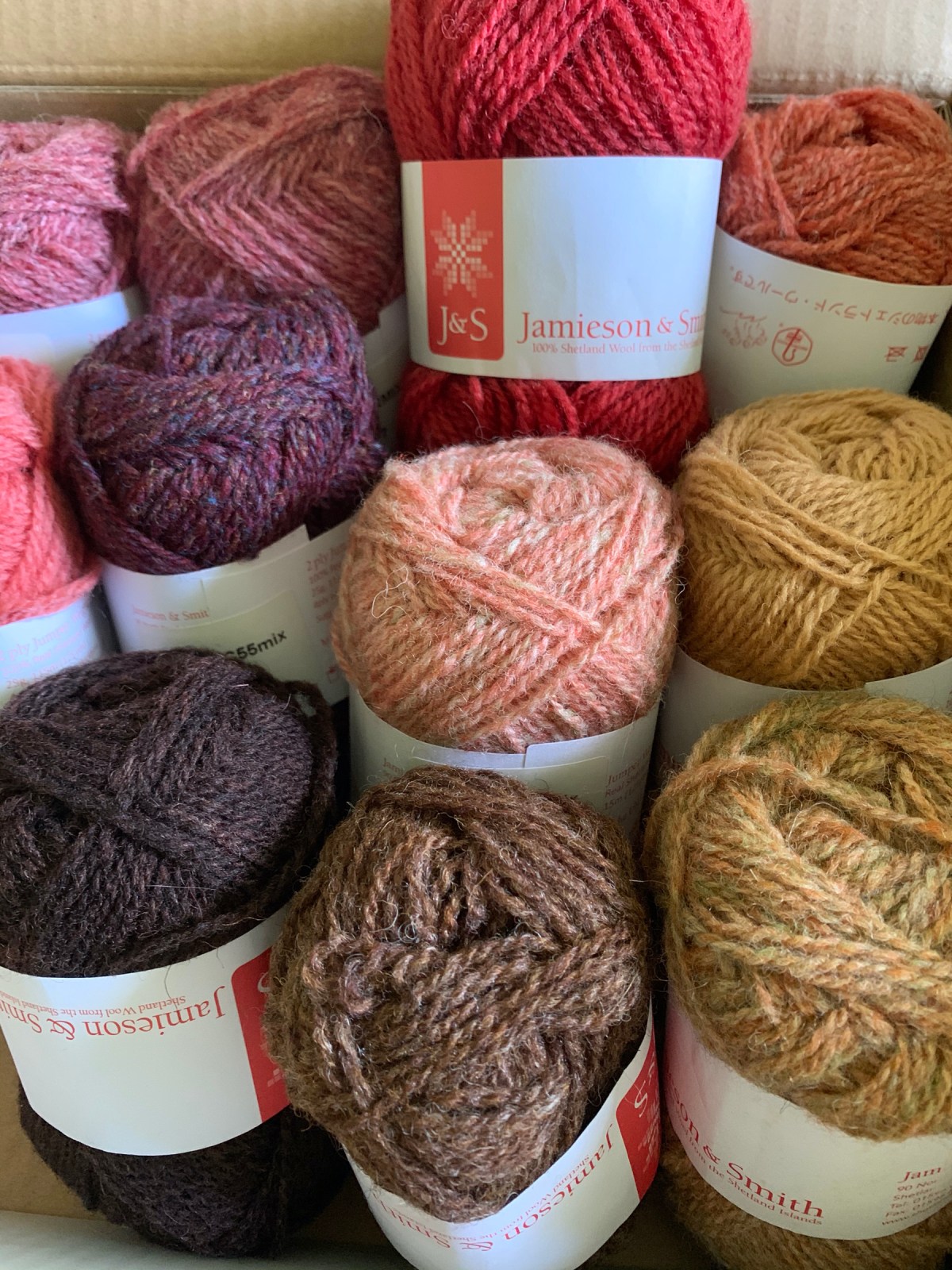
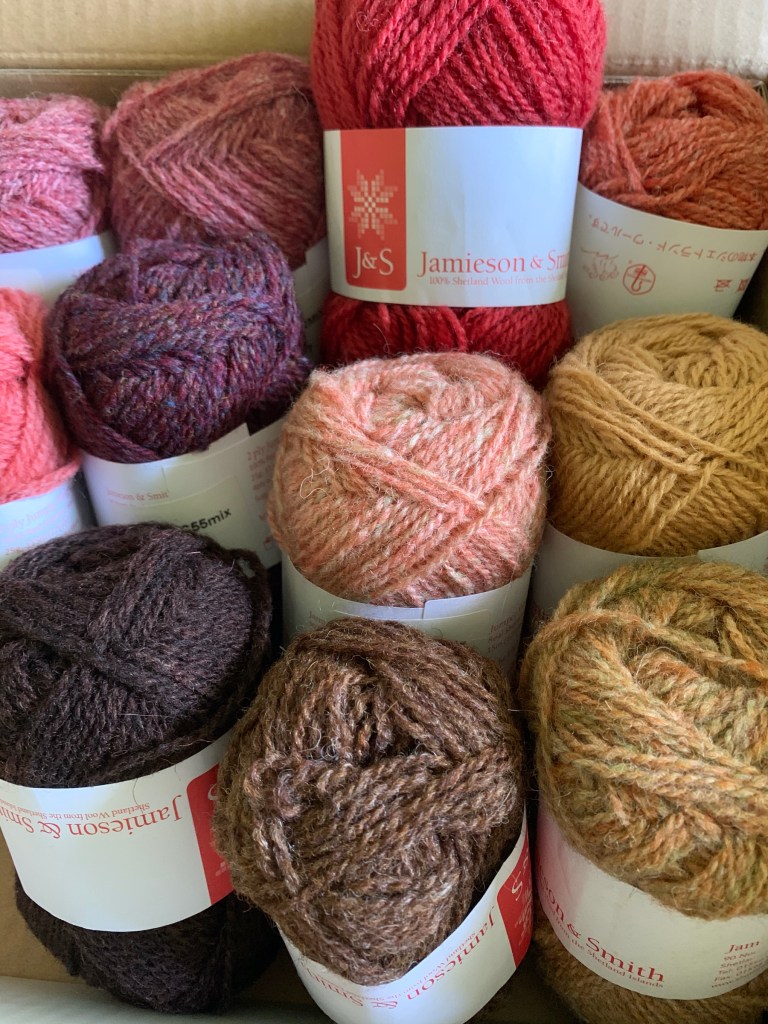
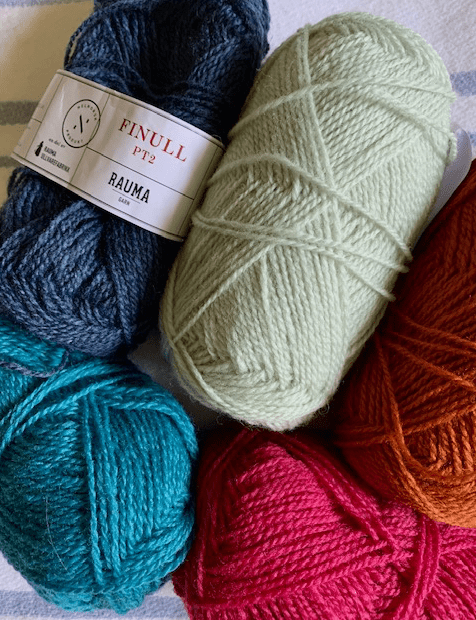
Rauma Finull / Finnullgarn wool yarn from Norway is such a find! (I buy mine from either The Woolly Thistle or Wool & Company.) And similar type yarn in smaller skeins: Jamieson & Smith Shetland wool (find J&S cheap at Fairlight Fibers). This is real wool that comes from across the pond, and comes in an astounding array of colors.

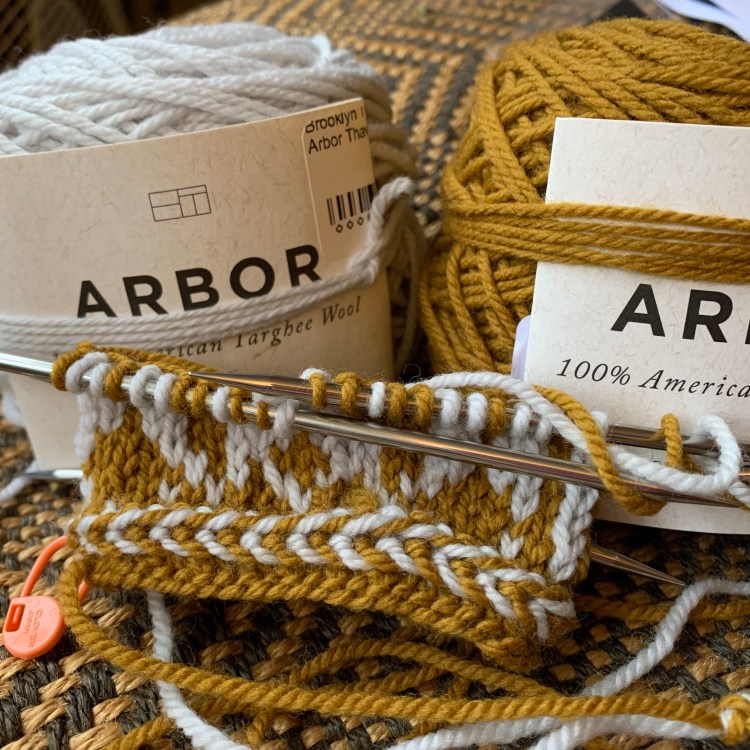
Brooklyn Tweed Arbor is a DK weight, beautiful yarn, which I first discovered when knitting my first pair of colorwork mittens in February. The softness of Arbor makes it perfect for hats, mittens and cowls, or anything next to the skin.

Arbor yarn mitten knitting project
Brooklyn Tweed Arbor yarn is pretty nice

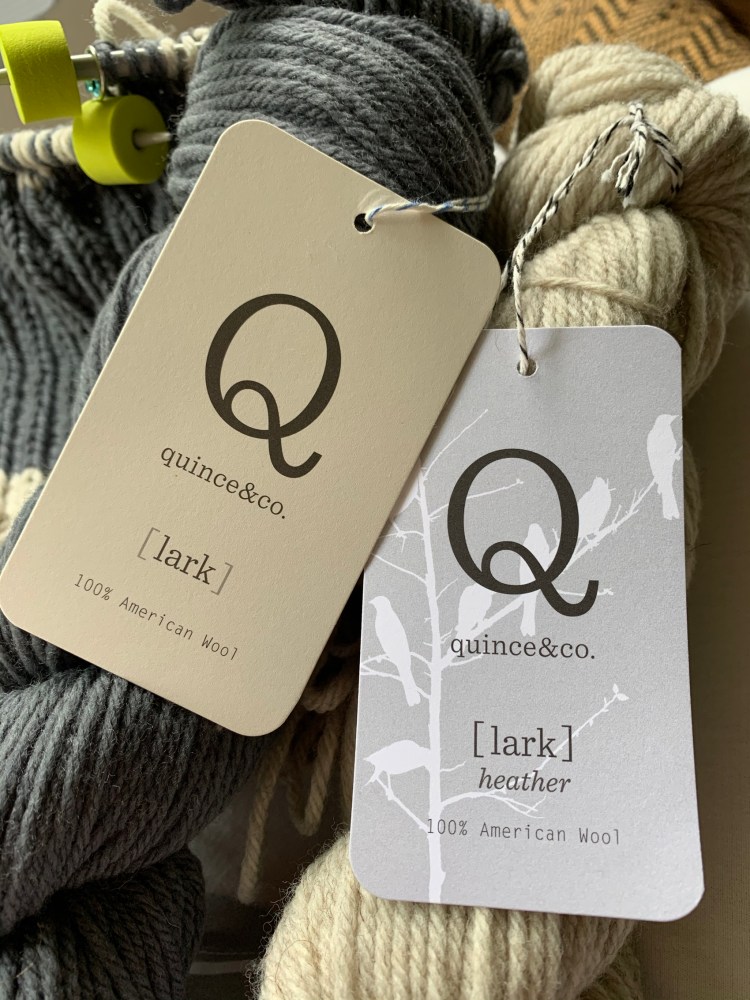
Quince & Co. “Lark” is a worsted weight, 4-ply, yarn and I used it to knit my Curly Snowflake hat. At first I wasn’t too sure about this yarn, but it’s really very nice for doing colorwork in worsted. I see more of this yarn being used in my future knitting projects. I bought it at Wool & Company.

Quince & Co. American wool yarn in "Lark" colors Storm and Audouin
Quince & Co. yarn in gray (Storm) and heather natural (Audouin)

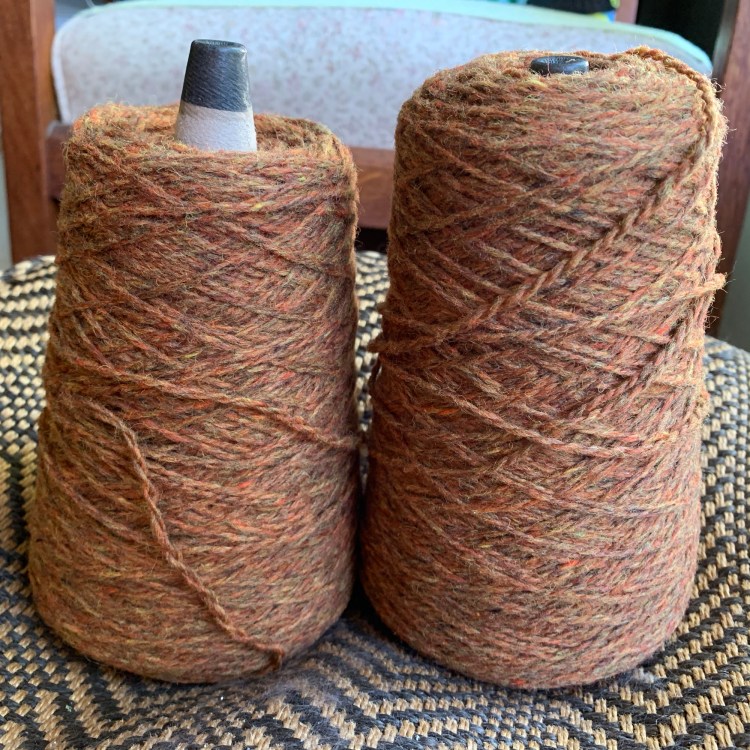
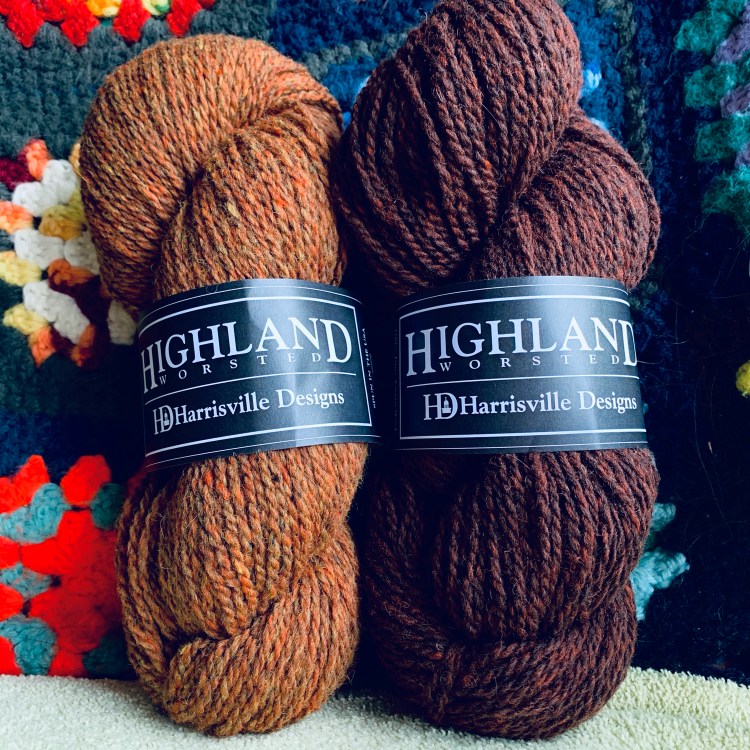
I bought my first cone of yarn. Harrisville Highland “Foliage” will be used to knit a sweater one day. I can’t really say how I like it yet, but I love the colors. Both Teak and Foliage colorways were hard to find.

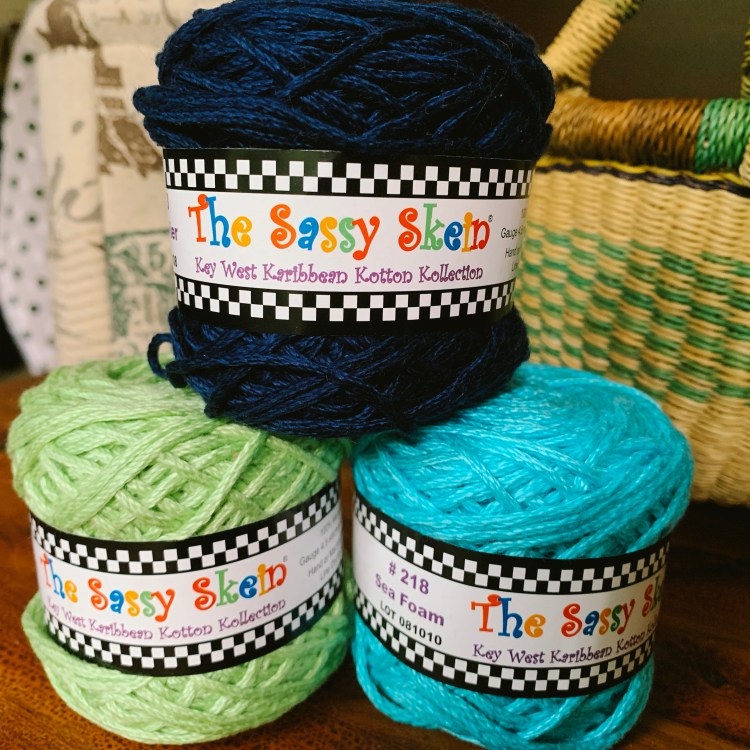
The Sassy Skein of cotton is now my favorite cotton for knitting dishcloths. The tropical colors are perfect for my Florida kitchen. Buy at Four Purls Yarn Shop in Florida, or at the Sassy Skein site.

The Sassy Skein

I’ve had a busy first half of the year knitting things I ended up not liking… but I have knit lots I do like. And every project is a learning time for me, so I don’t feel time has been wasted. Live and learn is a great motto. Knit and learn also applies.

How to Knit Corrugated Ribbing For Colorwork Hats

The last few hats I have knit have had brims with corrugated ribbing. You can see it on this page in the Katie’s Kep and Tettegouche (links to pattern below too). This type of rib is worked as a purl 2, knit 2 around, switching colors between the knits and purls. It is often used in Fair Isle, stranded knitting designs and the yarn is held in two hands.

Begin by Making a Nice Cast-on

When I began knitting, I hurried through my cast-ons so I could get started with the project. I only knew one simple cast-on, and it was not a good one for hats. Now I use the Old Norwegian, or German Twisted, cast-on, which is the same thing as far as I can tell. It makes a loose, stretchy first row so the hat won’t be tight around the forehead. It’s also a fast cast-on once you get the hang of it.

A good wool such as Rauma or Shetland (Jamieson & Smith), in fingering weight is suggested for this type of hat knitting.

Once the stitches are cast onto a 16 inch circular needle, in the size your pattern calls for, join them with the stitches straight and even, making sure there is no twist. I use the drop and switch method of joining, where each stitch at the end of the needles are swapped. Then, place a marker to remember this is the beginning of the round – BOR.

Since I first wrote this page I have found a helpful page at TECHknitting: Corrugated ribbing tricks and tips. They explain corrugated ribbing and it’s uses and potential curling problem. Also they have an interesting section about how to handle purling the colors.

Begin the Rib – this is how I chose to do it.

Once the cast on is complete DO NOT KNIT AROUND – go right into the knits and purls. Doing a solid knit row before the ribbing will cause the edge to curl up.

For the first round, begin with the main color (it was tan for my hat) held in the right hand (for knitting English style) and purl two stitches. Move the yarn to the back of the work. Now add the new color (orange in the hat pictured) and knit two stitches while the yarn is held in your left hand, Continental style. Bring the MC, (tan yarn) to the front and purl two – and so on. I will be using those two colors for the entire round.

Corrugated ribbing knit on the brim of a hat
The brim of this hat is knit in 2×2 corrugated rib

Don’t forget to move the yarn to the back of the work once the two purl stitches are made! ….I made this mistake and had to begin over.

For my Katie’s Kep #2 (above), my first CC (contrast color) is orange and I did three rows before I added the second contrast color, which is light blue. Every row is knit the same way with the MC (tan) held in my right hand and the CC in the left. I do it like this because I can’t purl using my left hand.

Holding the yarn correctly is important in colorwork knitting. Using two hands becomes quite easy with practice. Using two hands means the yarn will stay on top (right hand yarn, or Main Color) and on bottom (left, Contrast Color). Doing this makes the CC stand out. Sometimes a pattern will ask you to knit the main color and then purl the contrast color – which keeps the main color prominent.

See it below in the first Katie’s Kep I knit which has a dark blue background (MC).

Katie's Kep Fair Isle hat
Katie’s Kep Fair Isle hat begins with a corrugated rib around the brim.

Learn to Knit Using Two Hands

If you don’t know how to do this type of knitting using two hands, look for a good video that shows you how. And then practice! Colorwork is easiest when knit in the round. In fact, personally, I don’t know how to do it any other way.

Then, you will just need to know how to carry those floats when colors become more spaced apart in a row – but you won’t have to do (much of) that on these hats!

Colorwork is in chart form, FYI.

Love Katie’s Kep? Download the pattern for free here.

The hat below is called Tettegouche, and the pattern for this one can be purchased at Ravelry. Believe me, the other hats look a lot better than mine. I used colors on hand and they are not the greatest combination. You can see the use of the corrugated rib again.

Tettegouche hat pattern
Finished Tettegouche

My last word on the corrugated rib is that it is less stretchy than a 1×1 or 2×2 regular hat rib. It’s meant to be sturdy and pretty at the same time. Often a smaller needle is used for this type of brim and then you switch over to a larger size for the top of the hat. A wool yarn in fingering weight is suggested.