Creative Colorwork Scarf Knitting: Designing Repeating Patterns

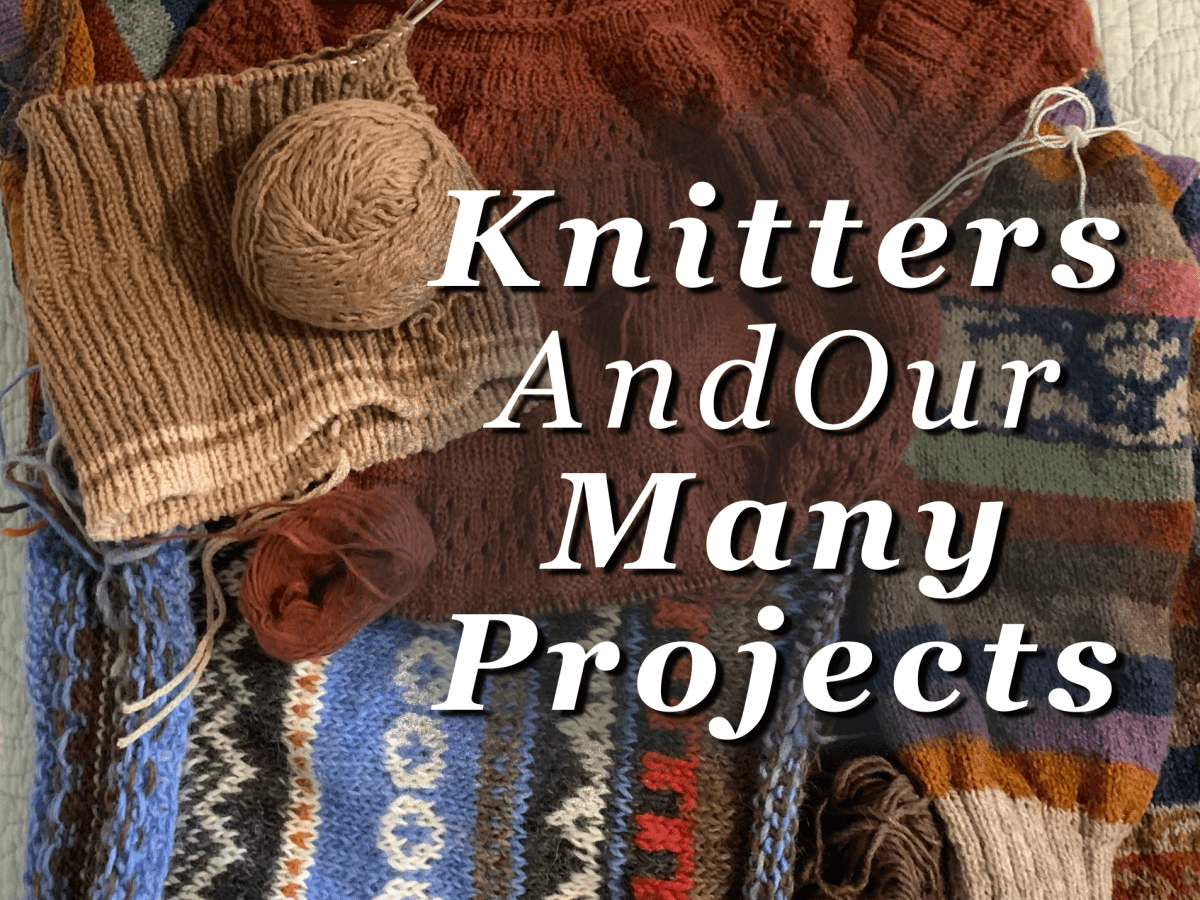
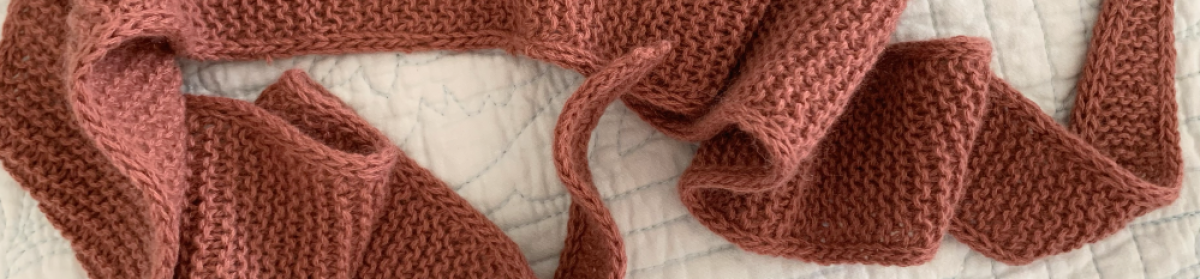
Whenever I get bored with a knitting project, and crave some two-stranded knitting, I pick up my DIY scarf. The colorwork patterns I’m using are random, and come from some books I have.

I began this tubular scarf with a provisional cast on. When it is long enough, I will connect the ends, using the Kitchener stitch, and create one long tube to wrap around my neck, twice.

Tube colorwork scarf

I began this scarf project out of boredom. It is my love for knitting colorwork that I needed a project like this. My stitch count is 100 and the repeating patterns must fit into that count. Patterns must evenly divide into 100.

Or, I can create an extra stitch. For instance, on the “people” pattern I had to add one more space (extra gray stitch) between them to make the stitch count work. I believe it was 19, and I made the repeat 20.

colorwork scarf

I’ve had fun choosing patterns and making some up myself (very simple ones). I think this type of knitting, with blocks of different patterns and colors, has a name.

All of this scarf is Fair Isle, meaning I use only two colors per row. Some rows are one color only, but I never use more than two at a time. I hold the dominant yarn in my left hand and knit it continental style, while knitting with the other color English style.

I found this fun blog post at Talvi Knits that talks about knitting in two passes when using more than two colors in a row. It sounds like mosaic knitting, but using more yarn colors. It sounds pretty confusing!
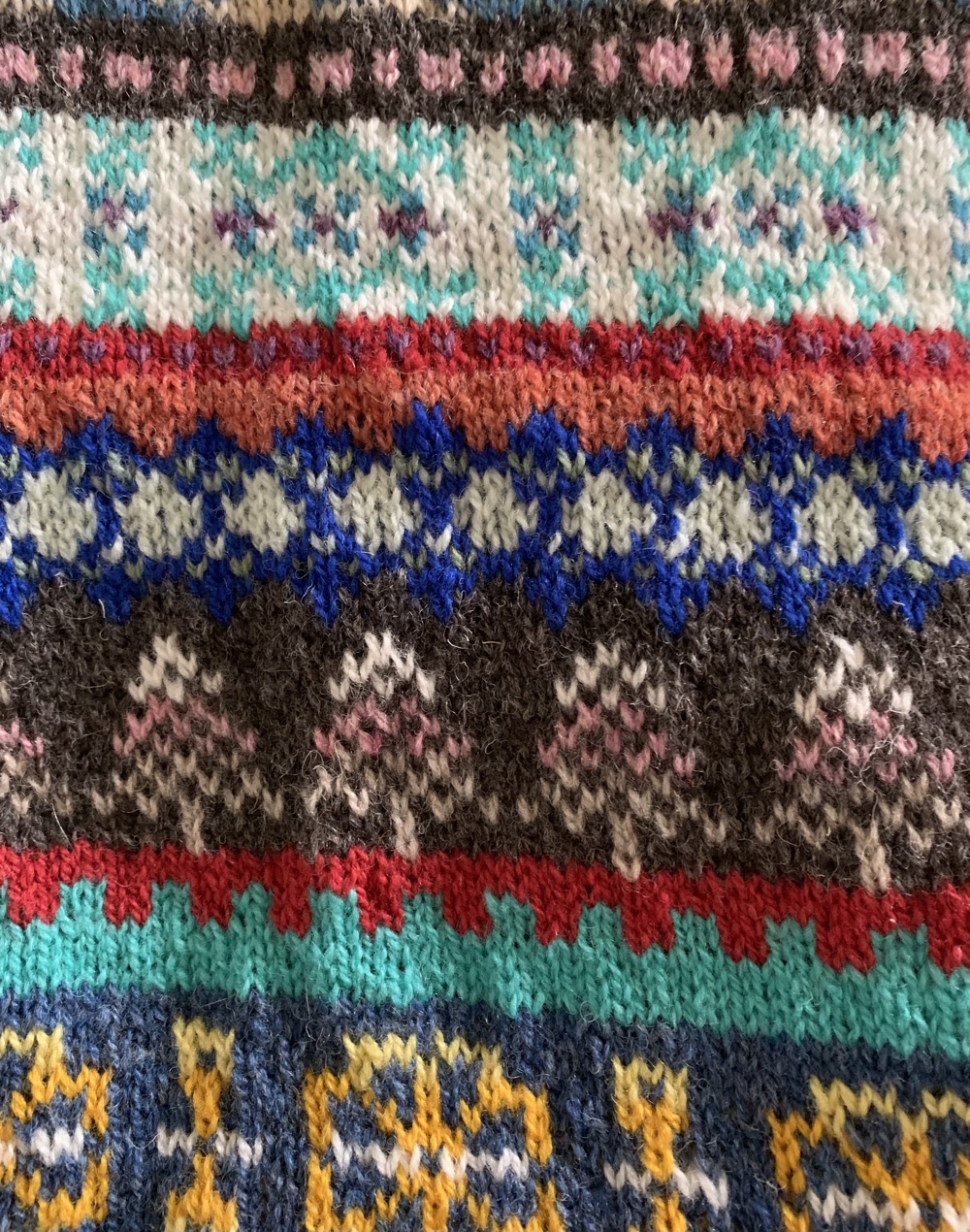
colorwork Fair Isle scarf

All I needed to do was to find repeating patterns with numbers that divided evenly into 100. There weren’t that many. You’d be surprised at how many repeats are4, 6, 8 and 12!

colorwork scarf

Occasionally, I don’t like the design once it’s knit. I’m not very good with selecting colors to combine. Because I am using only stash yarn, I have a limited amount of color variety to use.

It doesn’t matter on this project. I may never have a chance to wear this scarf anyway. I live in Florida where no one ever wears a scarf.
cat and yarn image

Knitters, read on….

Something went wrong. Please refresh the page and/or try again.

Re-purposing Window Grilles For the Garden

flower vine
Recycled window dividers used as a trellis.

When I bought my house the sliding door and another glass door had white dividers, or grilles, in them.  I don’t like that look.  I like my windows to be clear and open – free of dividers to block my view outside.  I was happy to find that the dividers could be unsnapped and removed, so I took them all off and stored them in the garage.  I thought they would make good trellises for the vegetables.

Well, they do, if you don’t try to put anything too heavy on them.  They are a bit flimsy and won’t hold up without breaking but the one I used for my morning glory vine is doing a nice job.  The vine isn’t very large yet, but they don’t get big and heavy.  I have it next to the deck so the vines can grow up and wrap around the deck railings.

It’s just one way you can use junk in the garden.  I hate to spend money on expensive trellises, and truthfully, I couldn’t find any I liked.  All my new windows are grille free too – you can find my grilles in the garden.

Make Your Own Suet

It’s November and was only 27° this morning so I started to feed the birds. I had made up some suet about a month ago and kept it in the freezer to use this winter.  The birds seem to like my homemade suet much better than the store bought kind.

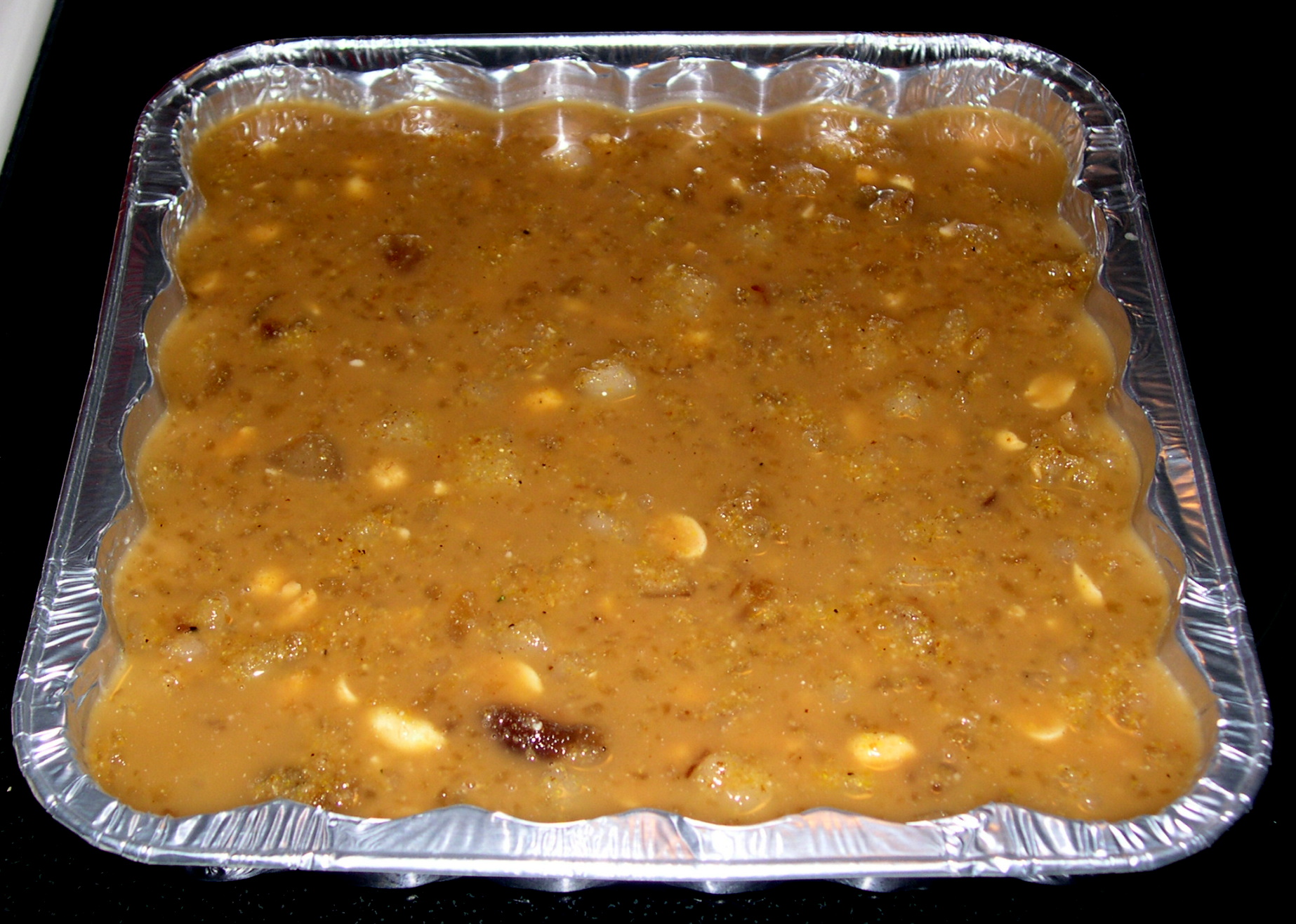
Although we don’t eat much bacon, I save the grease in a can in the fridge to use for making suet. When I have a full can, I add it to store bought fat (beef usually) and melt it on low heat. Then I add peanut butter, and whatever else I have to bind it together – such as old bread, cornmeal, crackers, cereal, etc.

I’ve found that using a disposable tin pan is best, since clean up can be a chore, and a nice square or rectangular one is perfect for cutting the suet (once it’s cold) into the right size for my feeders.

Suet Feeder
This Suet is Homemade

I don’t add seeds of any kind to my suet as it is intended mainly for woodpeckers. I put out plenty of sunflower and thistle seeds for the seed eating birds so I don’t waste it in the suet.

suet
Homemade Suet

A tail prop feeder works best for woodpeckers since they use their tails for balance. Also the upside down suet feeders are good for keeping the squirrels from chowing down.