Knitting the Goldenfern Sweater Pattern

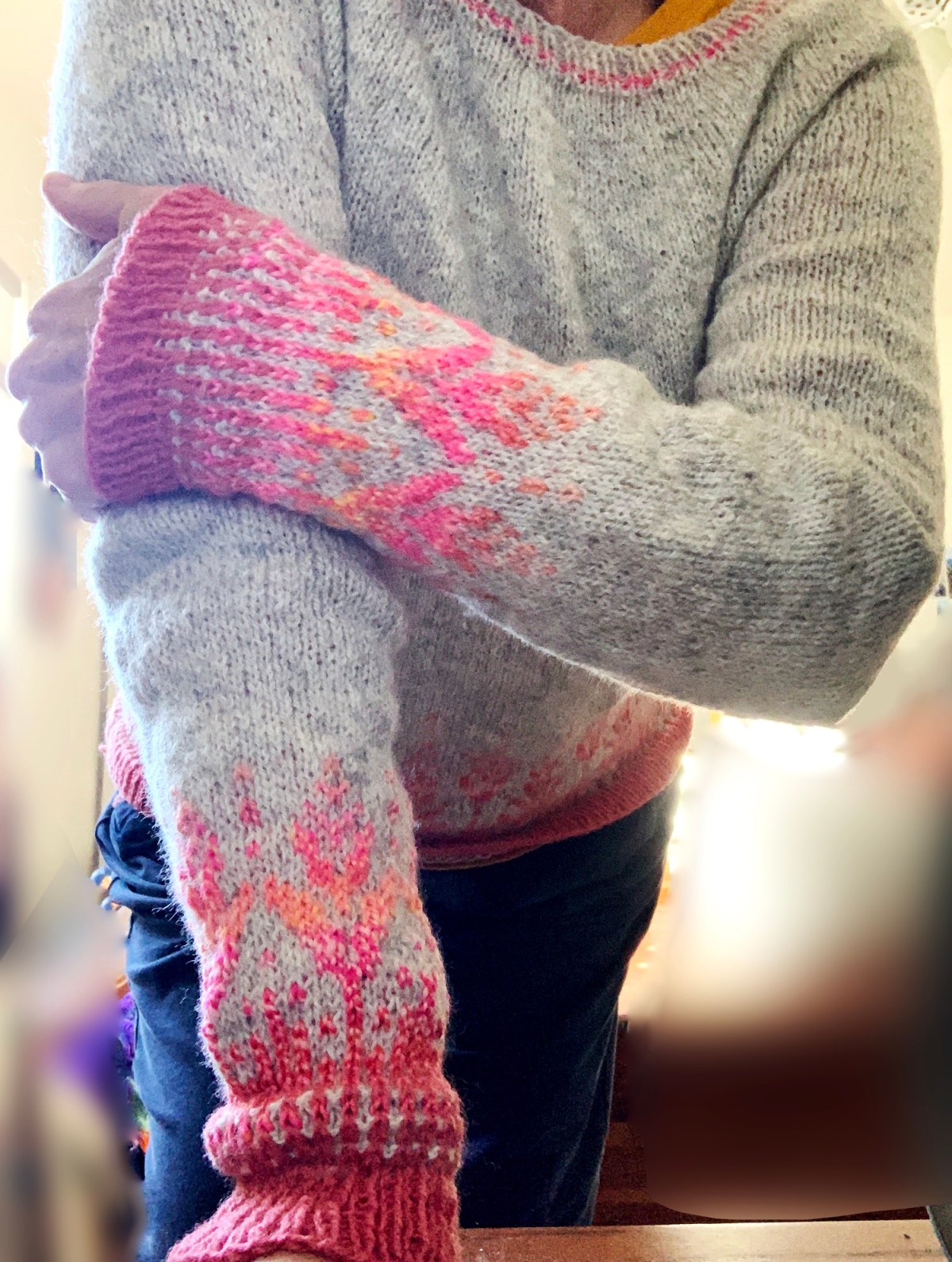
Knitting the Goldenfern pullover, a Jenn Steingass pattern, in Rauma yarn with pink yarn colorwork at the bottom and on sleeves.

The Goldenfern pullover is a Jenn Steingass knitting pattern design. It is knit using fingering weight yarn and has colorwork at the bottom of the body and end of sleeves.

The yarns I chose were Rauma Garn, in light gray, combined with a gradient pink handspun. The darker, coral pink color is Jamieson & Smith, which I used for the very bottom of sleeves and all bottom ribbing. I chose to add one row of pink at the neck.

Casting On and Needle Sizes

My gauge was off, but in the end the sweater turned out fine. For me: The cast-on at the neck (this is a top-down sweater) was done on a size 3, 16 inch circular. The main body and sleeve knitting was done on a size 4 needle. All colorwork was done using a size 5, although a size 6 is recommended for the body colorwork, and I’m thinking maybe I should have done that. Size 3 needles were used again for the ribbing at the bottom of the body and sleeves.

Knitting The Sleeves

I picked up the stitches to begin knitting sleeves downward, using a 16 inch circular needle. As the circumference became smaller with decreases, I switched to a 9-inch size needle.

Then I used a size 5 circular and did the pink colorwork down to Row 37. Using the J&S coral pink when the chart said to use a new CC color.

This is when I changed to size 3 DPN needles and did a plain color 1×1 rib for about 7 rows. The bind-off is a normal bind off and not the i-cord suggested in the pattern.

Total sleeve length is 18.5 inches. Pattern suggestion is 18, so I’m close.

The Fall of 2022 was not a good one, with two disastrous hurricanes hitting the area. The knitting on the Goldenfern pullover began in September, and alternated with some other knitting I wanted to do. It has been a relaxing escape for me with other stresses, like the hurricane mess, that piled up. The pattern is easy to follow with lots of helpful notes by the designer.

Buy the Goldenfern Pattern

The link above goes to Ravelry, where you will find so many beautiful finished knits that use some truly gorgeous yarn color combinations. Go there to get inspired and knit your own Goldenfern. The designer has an offer to buy 2, get one free. Her patterns are so well written, and she has many beautiful patterns.

Finished Knitting

January 7th and the sweater is finished! I took some photos before all ends were woven in. Now, for the wash and blocking. But before all that I would say the pullover is a great success.

I’m very bad at keeping track of the amount of yarn I used, so I can’t list it here. I had one ball of the hand-spun and it was plenty for all the colorwork with some left over. I have a small bit of the Rauma left as well, so my calculations worked. I probably used around 1,100 yards of Rauma.

This pattern shows the sweater as being more cropped, which does not work for me. I added a few more inches. Thevlength is perfect at 14 inches from underarm to bottom.

See my other Jenn Steingass sweater “Meadow Moon” here.


Please Continue Reading

Camel Yarn Weekend Hat Project

A simple ribbed hat pattern with enough brim folds to keep ears warm. The Weekend Hat is a pattern by designer PetiteKnit.

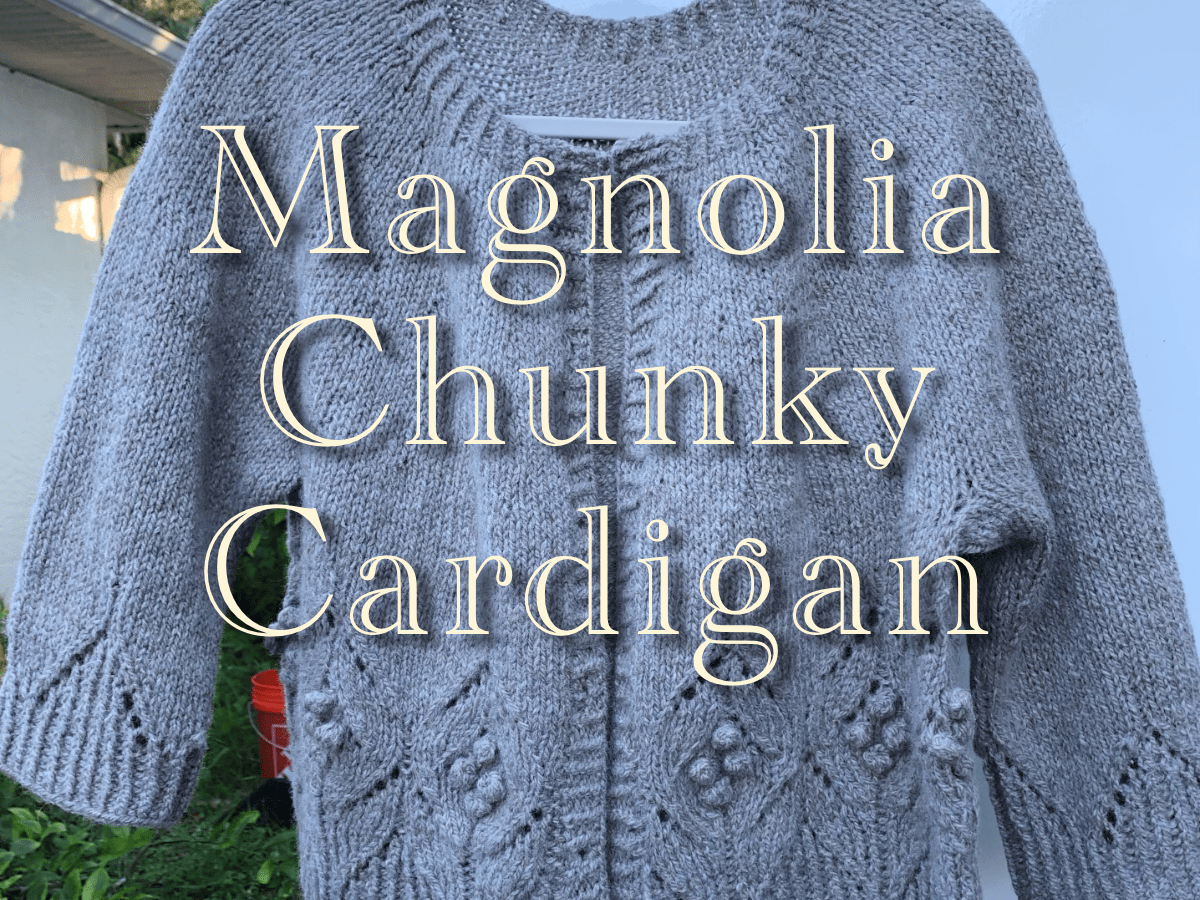
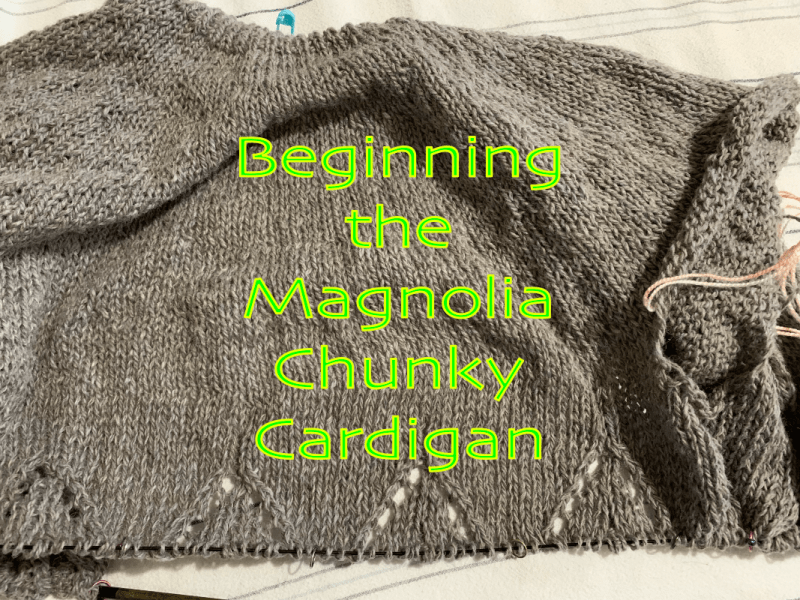
Pattern Review: Beginning the Magnolia Chunky Cardigan

I’m knitting a beautiful cardigan pattern by Camilla Vad. The Magnolia Chunky Cardigan is knit top-down with lace and bobbles on the body and sleeves. On this page I cover some issues I had in the beginning.

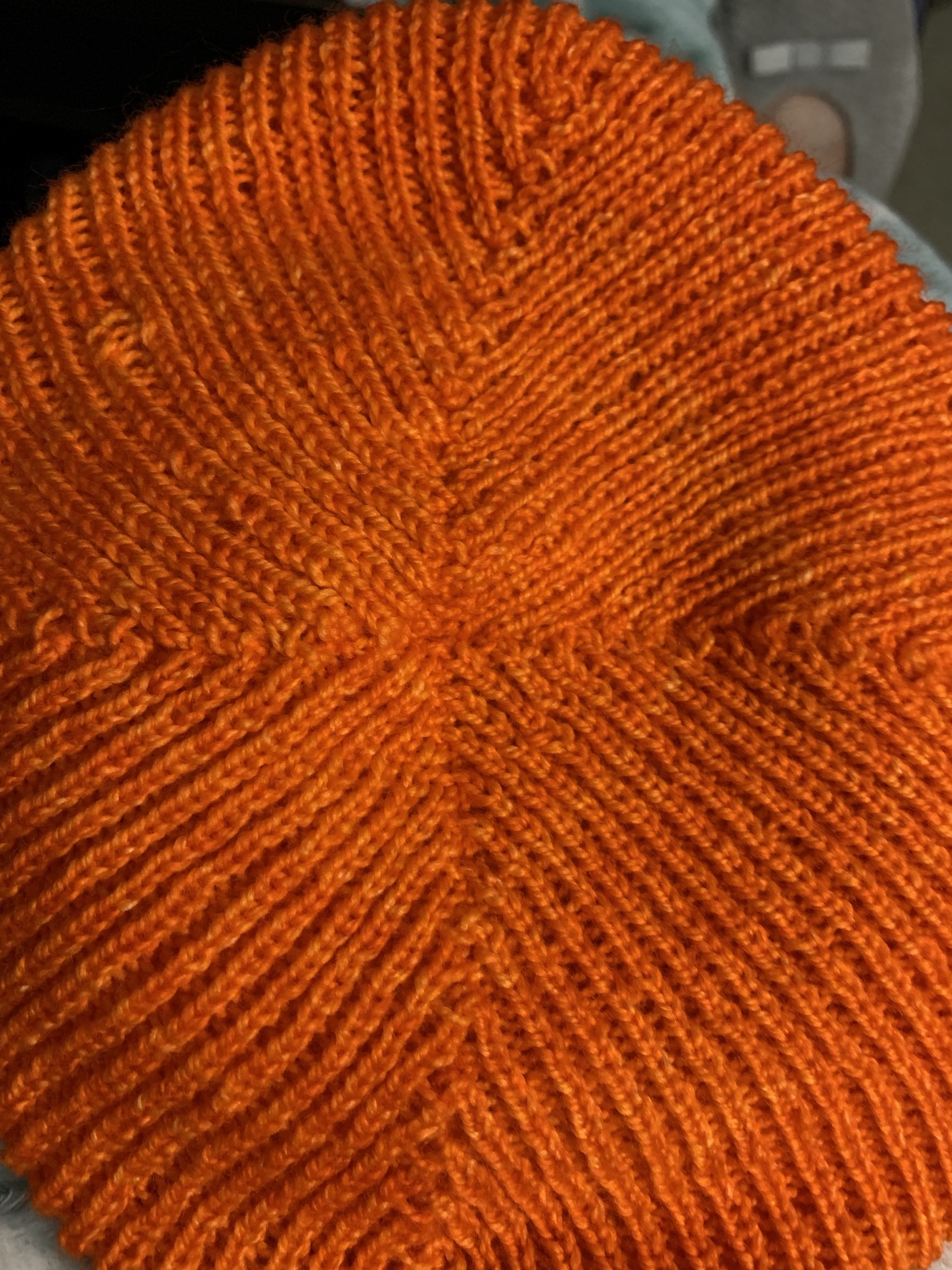
Slouchy Orange Watchcap in October

This slouchy watchcap pattern is worth the tedious knitting. It is also an excellent take-along travel knit.

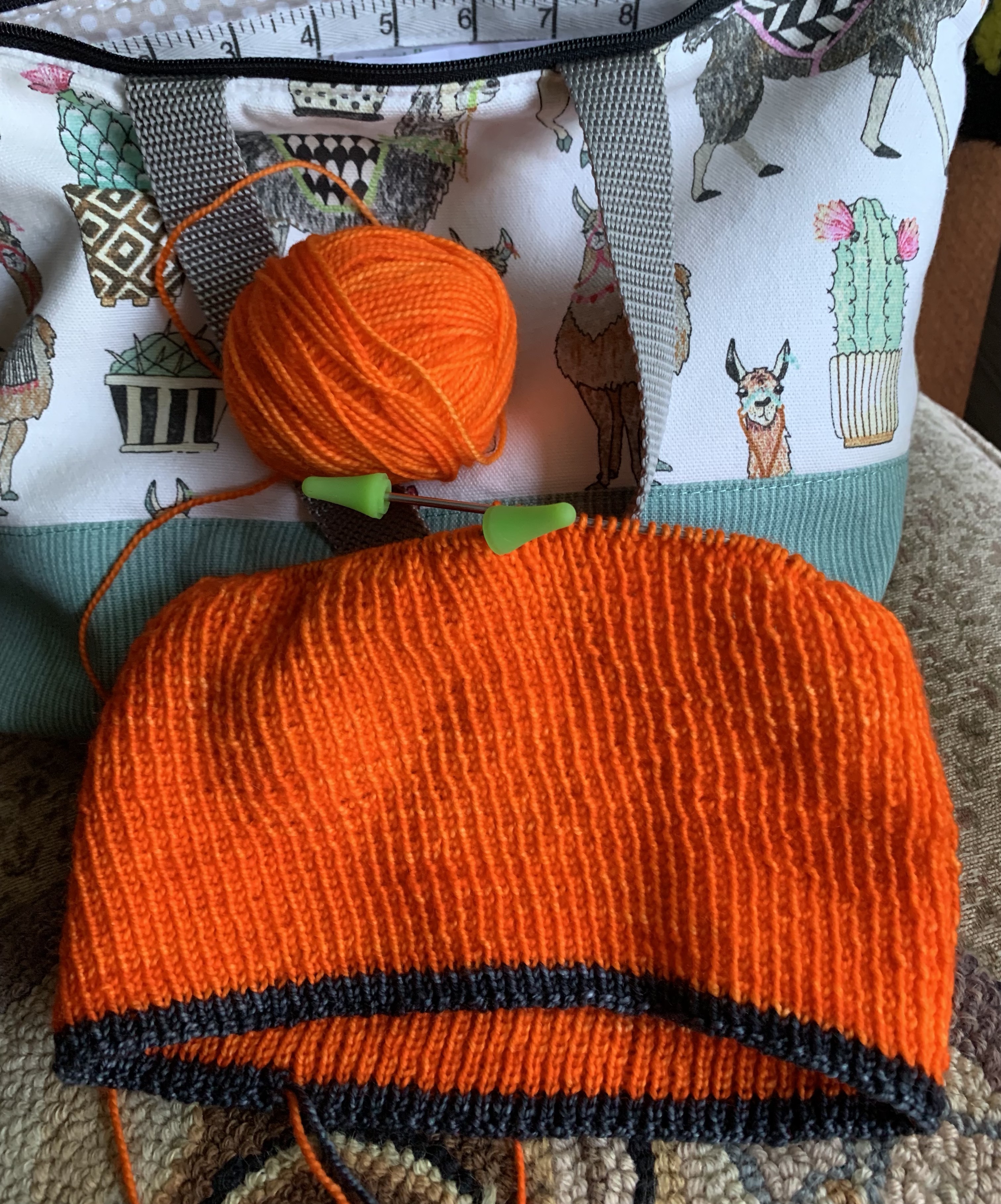
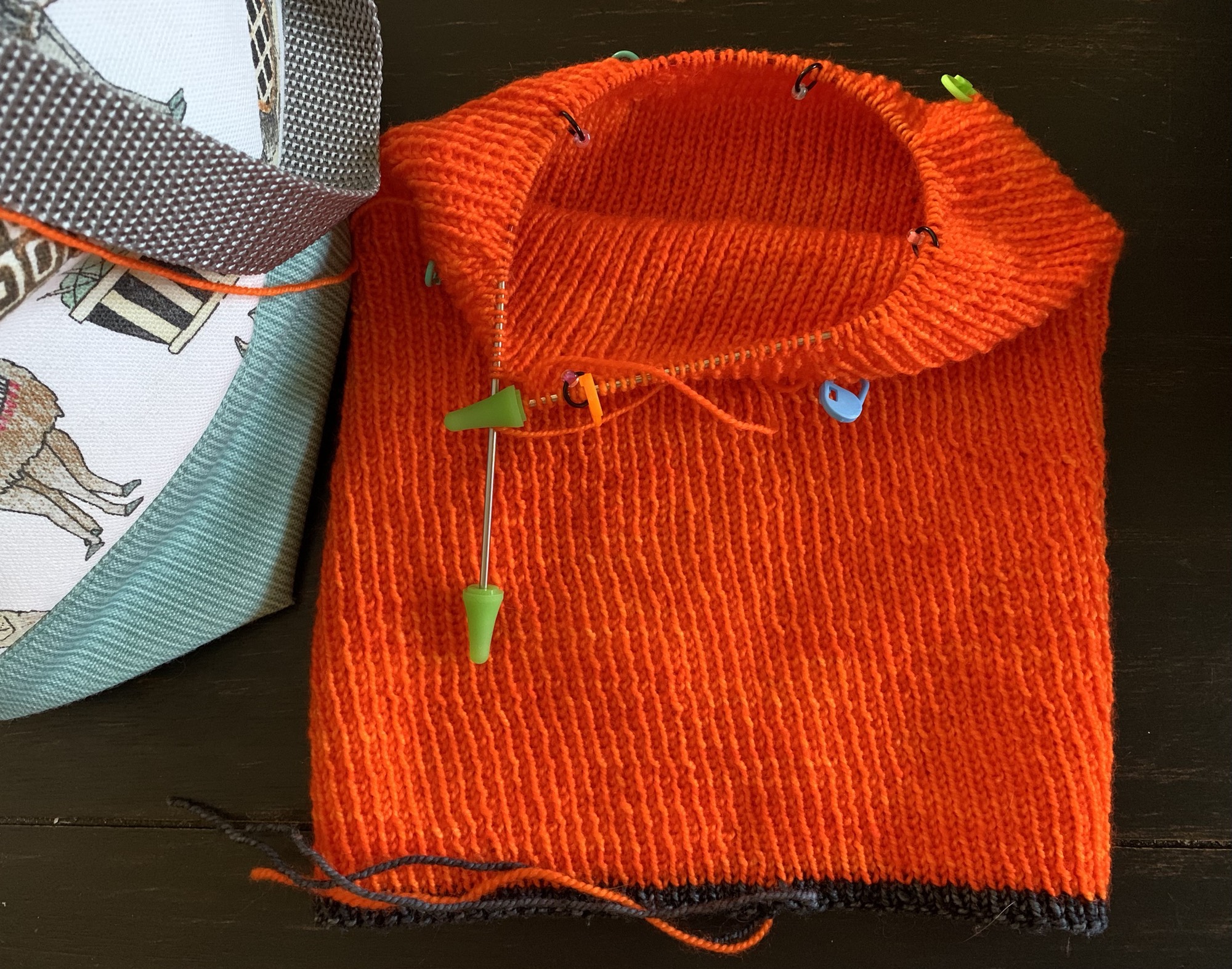
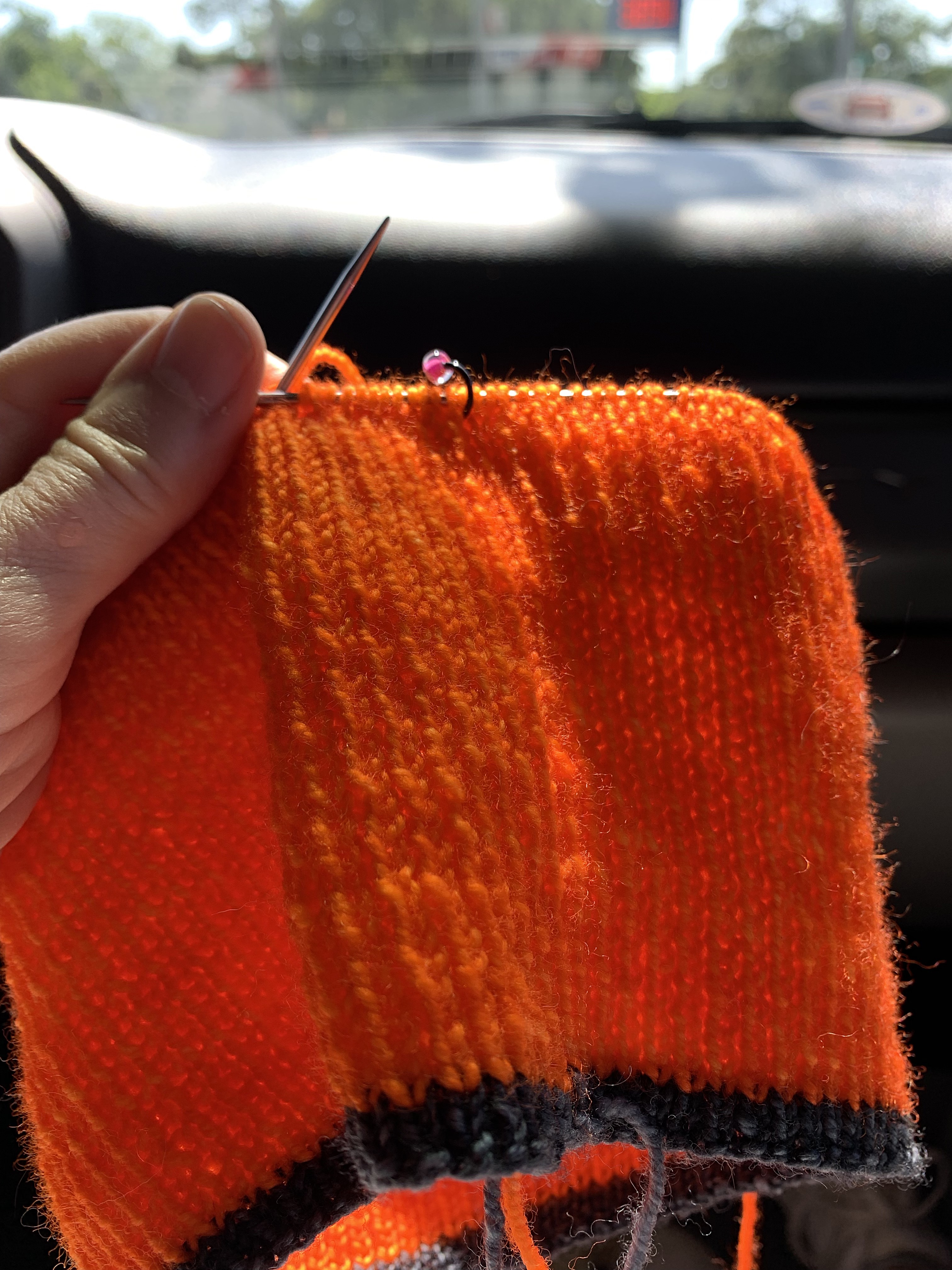
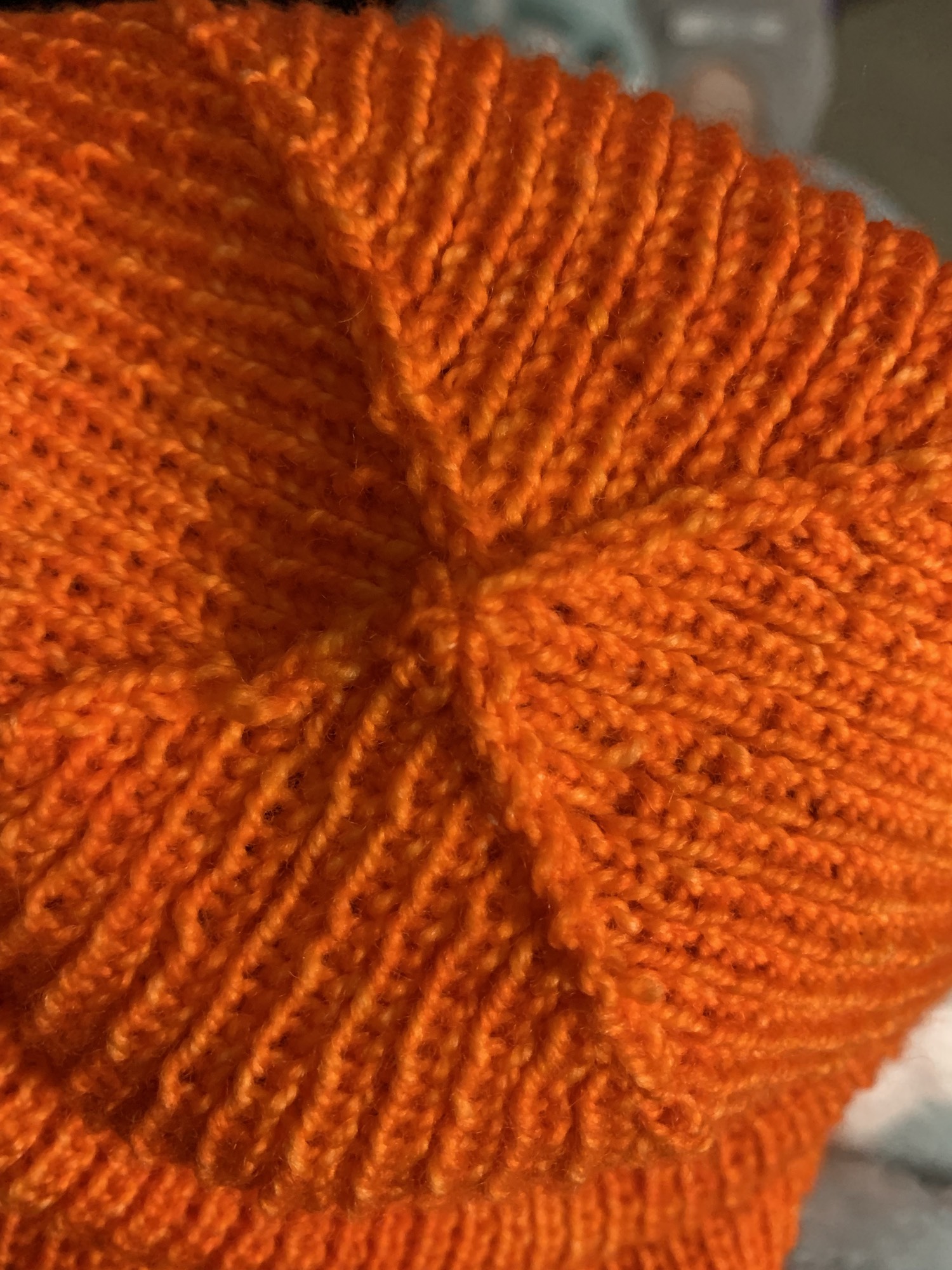
It has taken a while to finish this watchcap pattern. The pattern is simple, but the knitting is tedious. Round and round we go with knit one, purl one. The decreasing is unique, and the end product is totally worth the monotonous knitting. See the pattern link down the page.

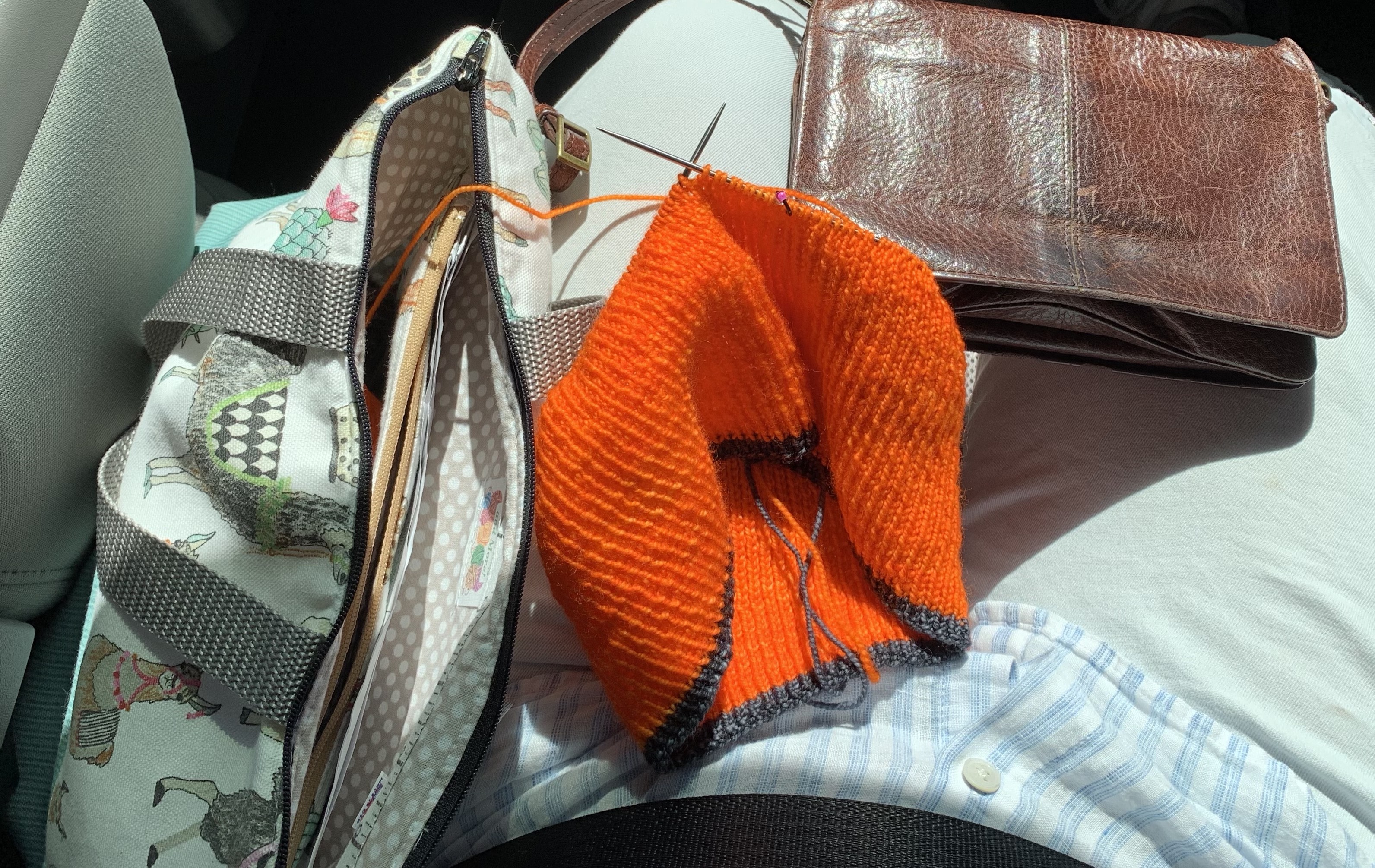
Hats are good traveling projects, and I knit a lot of this one in the truck while taking local trips.

I chose this orange yarn envisioning walks in the woods in Autumn when cool, crisp hiking weather coincides with hunting season. It is bright enough to work as hunter orange.

Yarn used: Camp Colors in Orange, fingering weight. Needles: Size 0 for cast on, Size 1 to knit.

If you dislike double-pointed needles, like I do: When the pattern said to transfer stitches to 4 DPNs, I used one type of stitch markers to divide for the DPN placement (little black markers). I used another type to mark the decreases (colorful pin markers).

This pattern can be made as a watchcap with a rolled up brim, or a shorter version with no roll. The longer hat can be worn slouchy. I had previously knit this hat using Camp Colors yarn in light blue.

Get the pattern here: Ribbed Watchcap and Beanie

Pattern Review

The pattern is well written with directions that are easy to follow. Information is included for those who wish to do a tubular cast-on, which I did not do, but may try if I knit it again.

Remember that the hat is being knit with the wrong side facing.

Be careful weaving in the ends and remember which side will be facing, including with the brim rolled.

*Tip: I despise DPNs and knit nearly all of the crown decreases with circular needles. I kept the 16” circular for quite a while, then changed to a 9” circular. Eventually I went to 4 DPNs when there were fewer stitches to worry about.

The unisex design works for anyone, and information is given if you want to make it smaller around for the little ones.

I think this hat would look nice knit with any type of fingering weight yarn. A solid color will show mistakes more clearly, as you can probably see I made some!

Watchcap finished
Finished October 17th, just in time for Halloween!

Keep Reading the Blog

Knitting the Free Fair Isle Mitts Pattern

This page contains notes on knitting figerless mitts using stranded colorwork. I will be using Jamieson & Smith wool in five colors (added one, so six).

This is a free pattern download at Ravelry for the Fair Isle Mitts. The pattern has charts and written instructions with two hand / palm motifs to choose from. I put one on the top and the other on the palm.

Continue reading “Knitting the Free Fair Isle Mitts Pattern”

Knitting the Fine Sand Sweater Pattern

After knitting my first pullover sweater Umpqua by Caitlin Hunter, I decided to try a cardigan. I chose Fine Sand, by Heidi Kirrmaier because I could knit it in a light weight yarn suitable for my Florida climate. At least, that is my hope. Also it is knit top-down, so that is something new for me to try.

Part 1 (of 2)

This post has photos and comments about beginning the sweater and knitting to the short rows. I’ll finish up on the sleeves and bind-off on another post (Part 2).

Miss Babs was having a sale on the Tarte fingering weight yarn, which is made up of washable merino wool, nylon and tercel. Sounds sturdy and washable, which should make a nice sweater. (Yes, I love this yarn, and the color is wonderful!) The pattern called for DK or Sport yarn, so I knit up a swatch using a needle two sizes larger and I got close to the gauge. I’m hoping the sweater will be a bit large in the end. I don’t wear tight clothing.

Casting on a top-down sweater pattern "Fine Sand"
Center back marker of Fine Sand cast on

This is the Franklin blue, and it’s very close in these photos to the actual color. And I have never been disappointed with any Miss Babs yarn. I knit a Mystery KAL Shawl with Miss Babs “Woodbury” yarn, which was soft and pretty.

Dark yarn is not as fun to knit due to difficulty in seeing stitches (my eyesight is not great), but I love this dark blue. Also the pattern is fairly simple, with no crazy lace stitches, so it shouldn’t be a problem. I can only knit dark colors during the daylight when stitches are easy to see.

Miss Babs Tarte yarn in "Franklin" colorway.

What I’ve Learned From This Pattern

First of all this pattern is written very differently than any other I’ve followed (ya, that ONE other… hahaha). Charts are substituted for complete written directions. These are not knitting charts, like in colorwork, but charts with letters which are used to take the place of changing repeats / number of stitches for each row.

I always read through a pattern and highlight the parts I will need to pay attention to, such as repeats in a row, or info for my chosen size. I’ll admit that when I saw the first page of instructions, I had to spend a few minutes figuring it out.

Right off the bat I had to learn how to do the RLI (right lifted increase) and LLI (left lifted increase). Specific instructions for how to do those are included in the pattern and links to video help are included too. The LLI gave me a bit of trouble at first and I lost count on one row, but every row contains stitch counts (thank you!) so I was able to easily add those stitches back in.

Separating The Body and Sleeves, How To

To separate the sleeves a bunch of stitches must be moved to waste yarn. That was easy enough to do using a darning needle and white yarn to be a contrast to the dark blue. The pattern called for a cast on of stitches and that threw me for a bit. Here’s what I did:

Turn the work to the wrong side. Yarn will be coming from the L needle. Use the R needle to begin a knit stitch but when it comes off the needle pick it up with the L needle (from the bottom) and let it stay there. Do this for the number of stitches called for in the pattern. For this sweater in my size I had to cast on 6, place marker, and cast on 6 more.

The video below is the one I followed. Begin it around 2 minutes for this type of knitted cast on. As he points out in his video, this is how to make a buttonhole!

Ridge of extra cast on stitches which became part of the armhole
The cast on edge at the armhole
Armhole stitches are on hold while I continue working the body.
Armhole stitches on hold

As of the beginning of July, 2019 here is where I am on my Fine Sand (photo below). I’ve passed the tricky armhole area and now the knitting will be pretty straightforward for a while. Next I will have to reacquaint myself with short rows. I love the yarn. I would definitely buy Tarte from Miss Babs again.

Along with this project I am also working on the Quince Wrap and Moon Sisters Shawl.

My first sweater was a bottom-up project and this is a top-down. With my cool new needle tips – those things that keep the knitting on the needles – I can try on my sweater as I go.

Fine Sand sweater knitting
Fine Sand sweater knitting with armholes on hold
Fine Sand sweater knitting project
Front of Fine Sand sweater in progress

Adding a Contrast Color at The Bottom

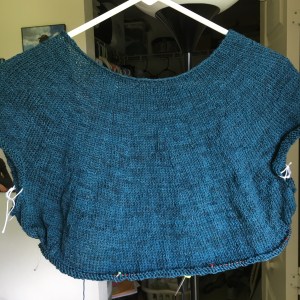
When I reached the last few rounds (rows 1-6) toward the bottom, I began adding the moss green color. Although it looks more gold in my photo, it really is green. The blue is also more teal.

Now that I am finishing up the repeats the short rows come next to create a longer back section. I think I am going to change that and do a longer squared off back leaving slits between the front sections and back of the sweater bottom. I can picture it in my head but not sure I should try it. I may chicken out and follow the pattern. (Yup, I chickened out!)

Once the sweater bottom edge is done, I will go back and finish the sleeves. The other day I began to knit one of the sleeves with the blue color I was using for the bottom. This pattern calls for 3/4 sleeves which I like. In the photo below one sleeve is still on the white place-holder yarn and the other is in the knitting stage.

By the way, I love those stitch stoppers! Mine are by Cocoknits and I bought them at Webs (that is where the link goes). I can easily try on this sweater as I go without worry about losing my stitches.

Finishing the Sweater With Edging

The Fine Sand pattern gives directions for finishing the sweater with a knit edging. The edge is curling so it does need something. As I looked through the finished Fine Sand sweaters at Ravelry, I have found a couple that had really pretty edging. I’ll be there soon, so I need to decide.