Courage to Make Your Own Modifications to a Knitting Pattern

Knitting with confidence, and making modifications to a pattern, can take courage.

Knitting modifications (mods) are changes made to a pattern. The happy outcome of knitting regularly for a few years is that I now have some confidence to make my own mods.

Often a knitwear reviewer will tell others what types of modifications they have made and why. Sometimes this information is helpful, such as if a wider sleeve is preferred, or making a different cuff ribbing, or wider neck opening. They may have a suggestion to make a particular stitch in the pattern easier to do.

Now, it is nice to know the basics of how a sweater (for instance) is put together. I know that I can pick up extra stitches under the arm to close up the holes, and then compensate by decreasing as needed. It’s a very simple thing, but beginner knitters have enough on their plates without having to figure something out in a pattern!

Truth be told, I am not advanced enough to make changes other than simple ones, but the more I knit, the more confident I have become to change things up.

Re-knit Some Favorite Patterns Using Mods

I’ll bet that most knitters end up having a few favorite knitting projects. I certainly do. And, I have favorite parts of patterns I’d like to use for something else.

I mostly knit sweaters, but this applies to anything. A good length sleeve with a pretty rib can be applied as an alternative in a different pattern.

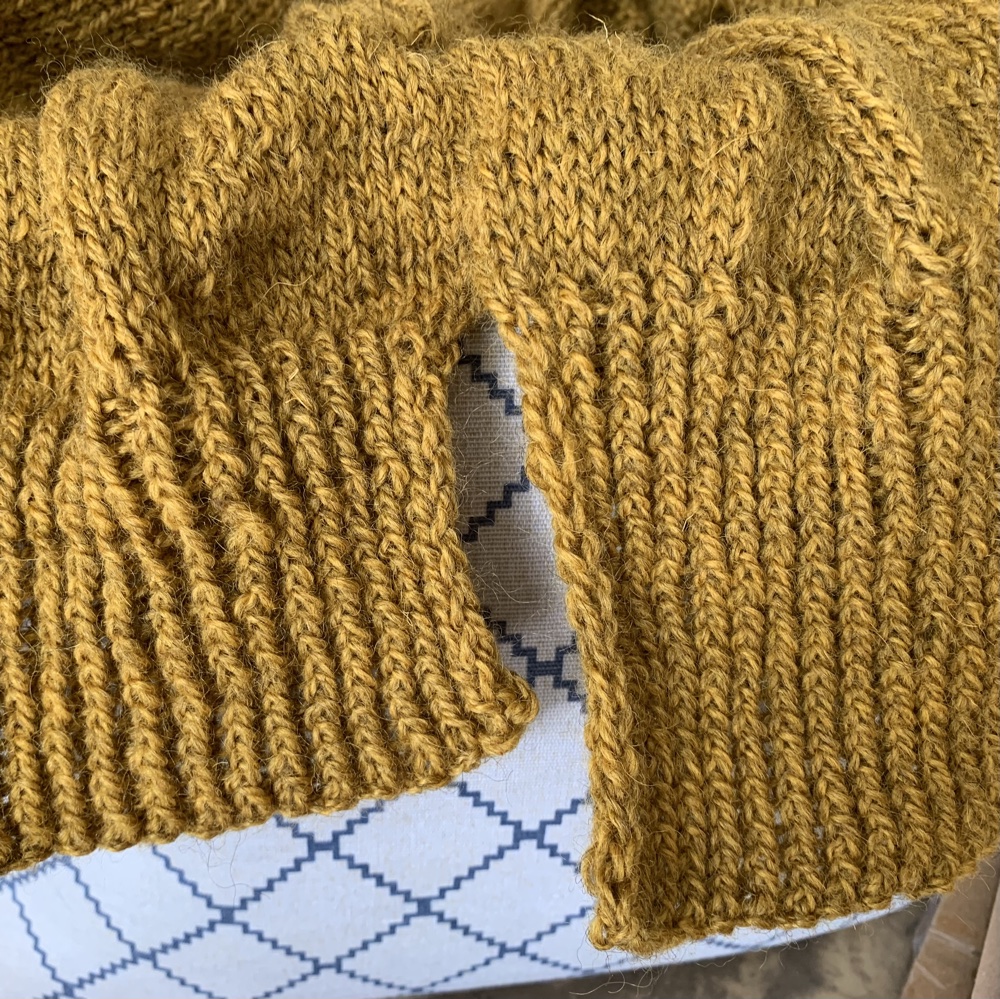
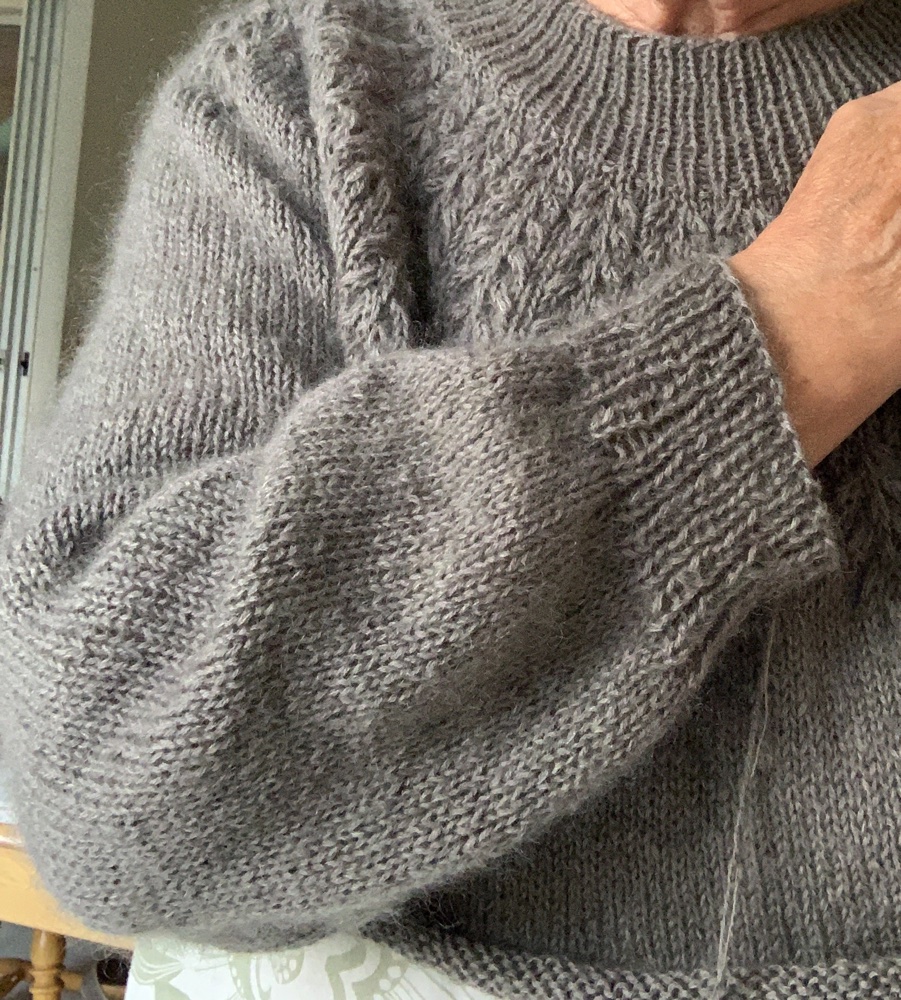
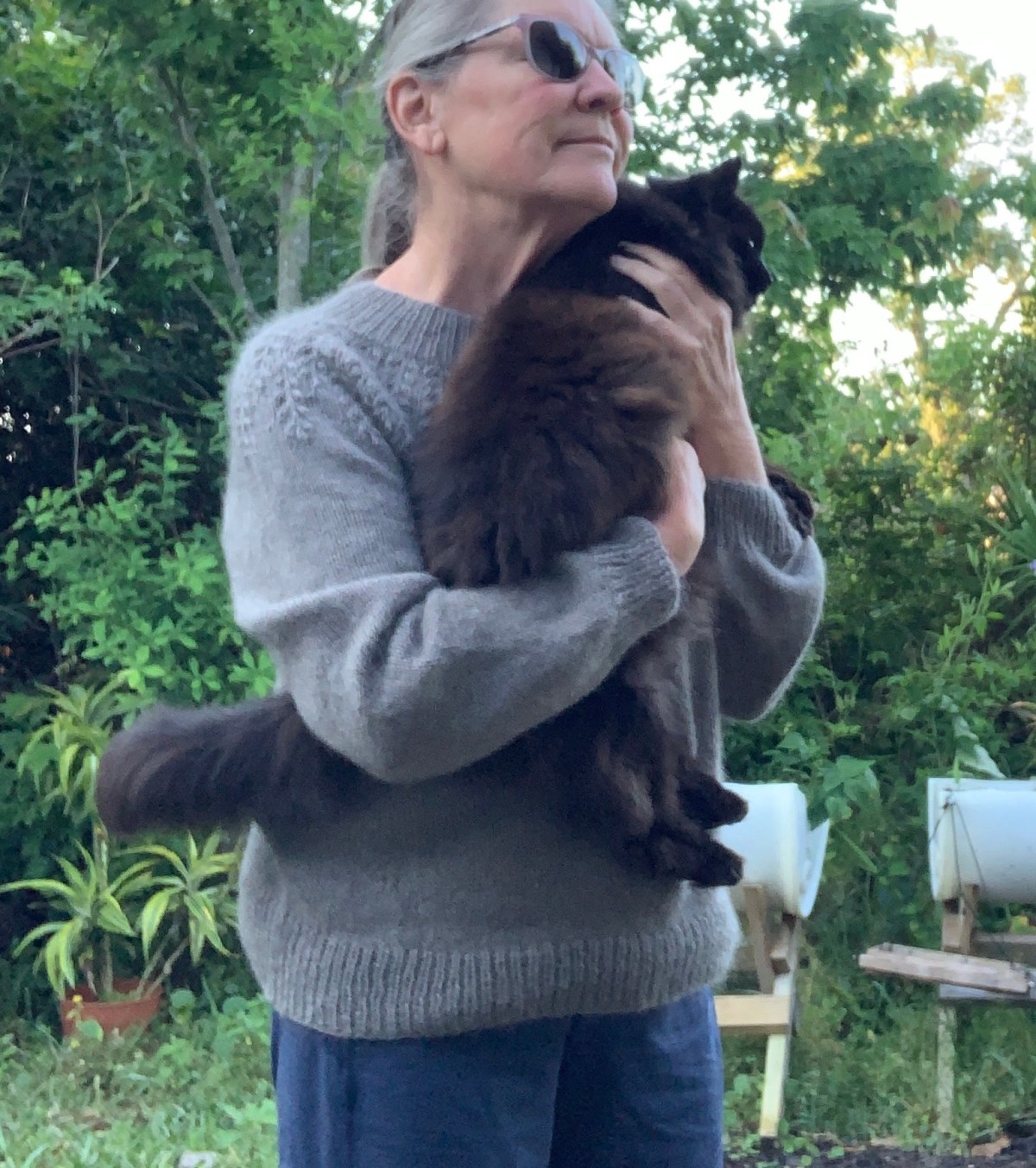
For example: I’ve re-knit the Calliope sweater in gold, and added different sleeves and body ribbing. I also added a split hem because I had just finished knitting a sweater that had a pretty split hem (Blueberry Vodka Lemonade Pullover – gray sweater below). I took some of the information from one pattern and incorporated it into another. The Calliope has a beautiful neckline. I may knit this one again one day.
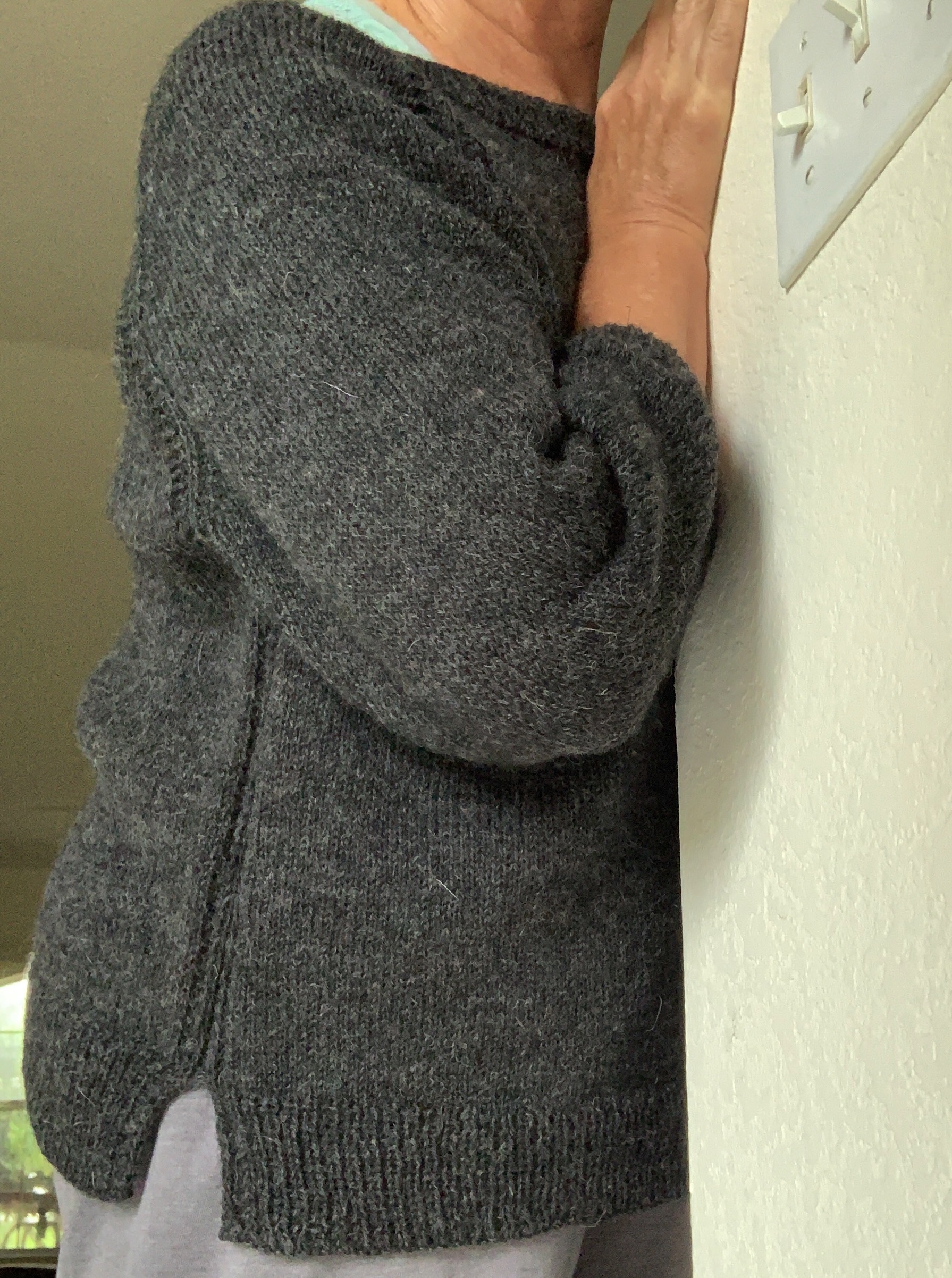
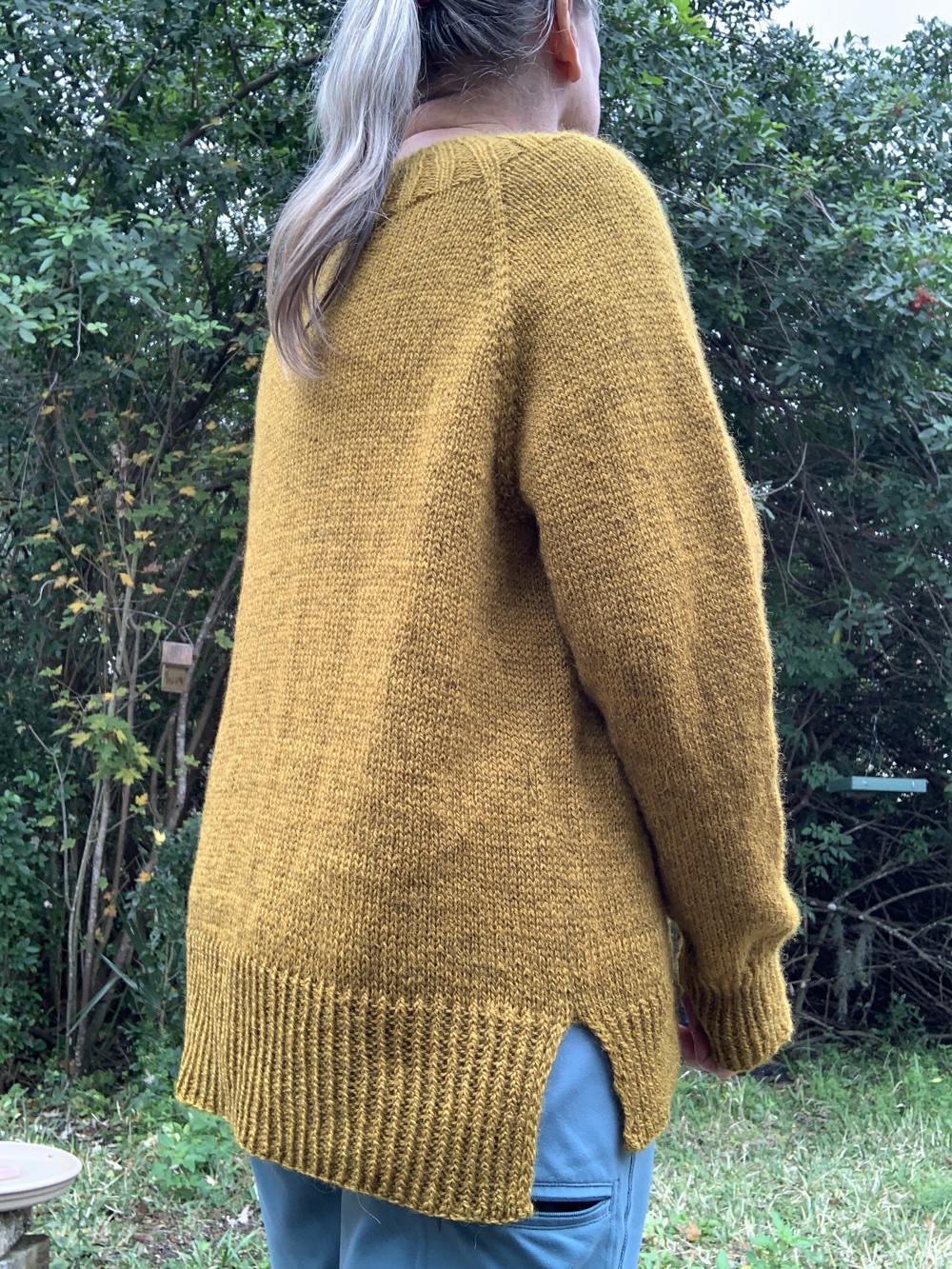
The more patterns I acquire, the more I learn. Usually, when looking for a new pattern to buy, I try something different to expand my knowledge. Every pattern gets printed out, and I make handwritten notes all over it. I try to keep track of favorite parts to possibly use elsewhere.

Making a Second Warm Up Sweater, With Mods

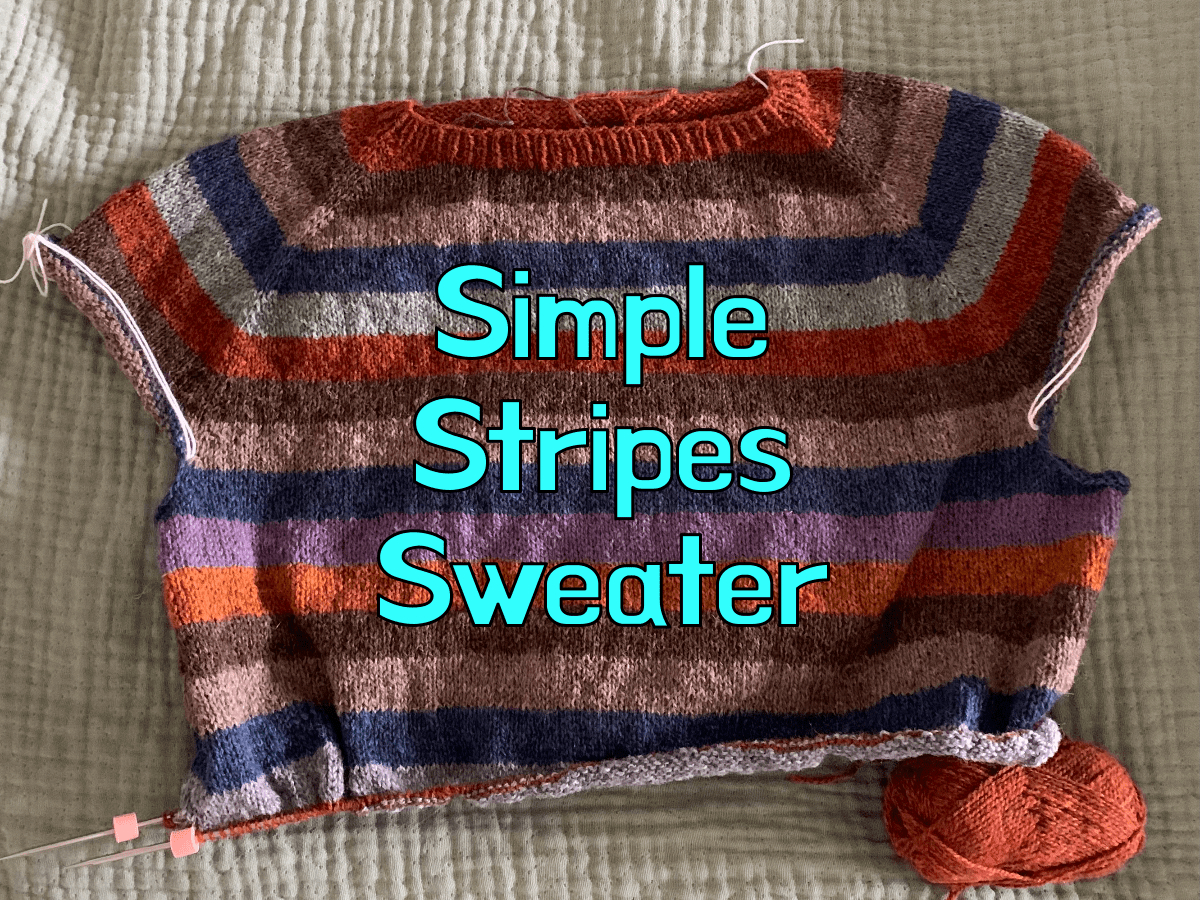
I already have plans (yarn on the way) to knit another Warm Up sweater (link goes to pattern page at Ravelry). This time I will do a different neck opening. I’ll also do a little colorwork among some stripes. My plans for this are still rolling around in my head.

The Warm Up Sweater is a pattern by Espace Tricot. I highly suggest it if you like a roomy “sweatshirt” type garment for cool days. It is a very basic pattern and includes short rows for a comfortable fit. See my review blog post here.

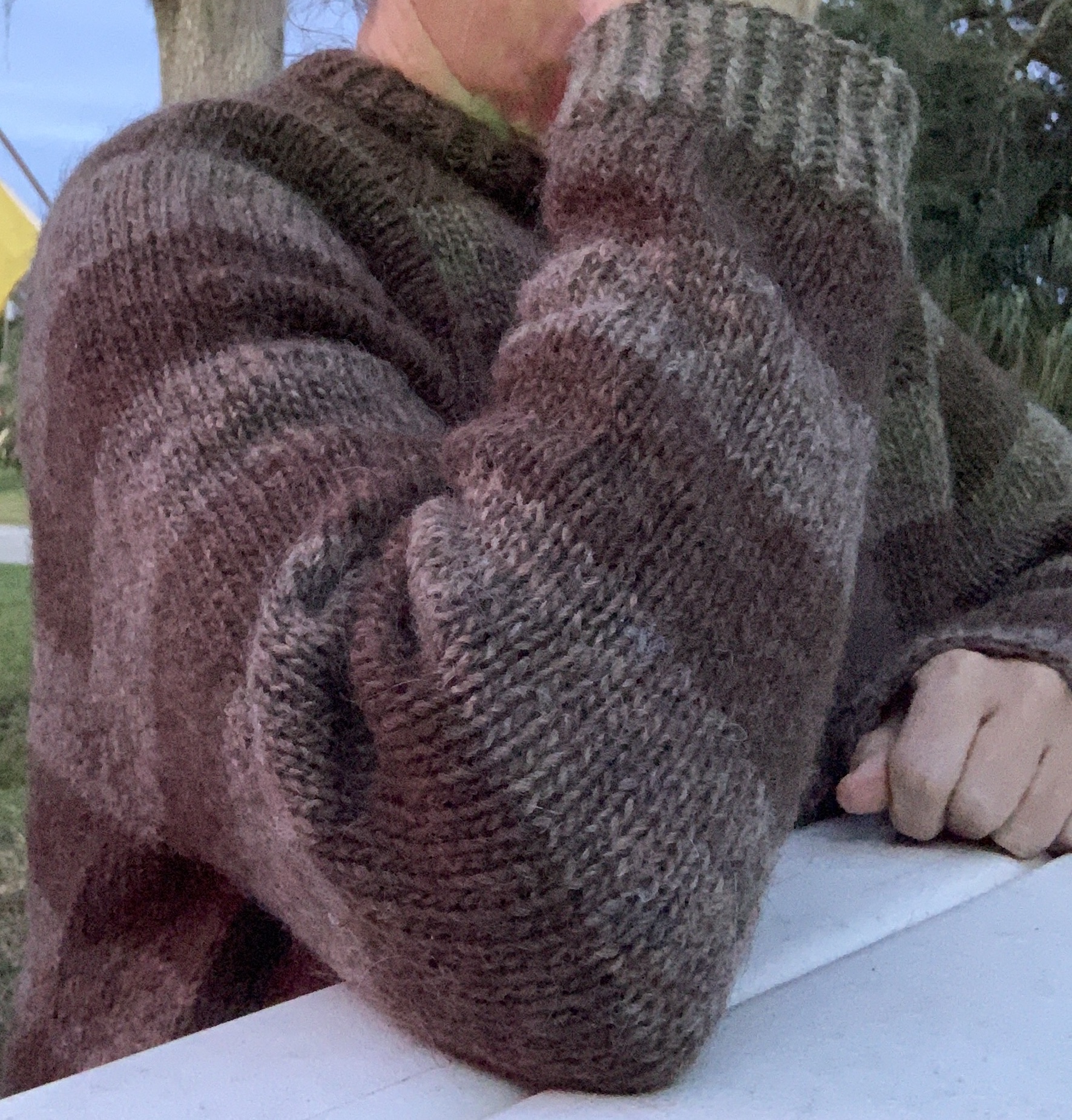
My brown and tan striped Warm Up is a fabulous and warm pullover. It came out nice and big, and the Lettlopi wool is one of my favorite yarns. I chose this pattern to use up some yarn I already had. (The pattern used to be free, but no longer is.)

Even though I live in Florida, I wore this sweater on cold evenings by the fire in our yard. We took a January camping trip, which turned out to be cold and rainy, and I wore it all the time. Wool is wonderful for repelling water, and it drizzled for most of our trip! I love the big, roomy style… and now, I want another, but with a new type of neck opening.

Do You Make Mods to Patterns Frequently? Which are Your Favorite?

One modification I have begun doing more frequently is on sweater sleeves. I don’t like a fitted sleeve. A little roominess is needed if the sweater is layered. I changed the sleeves on my Field sweater, and I’m glad I did.

I’m currently knitting the Rebel Cardigan and I’m also making the sleeves a bit wider. Wider sleeves simply means I am not doing all the recommended decreases. The sleeve won’t taper as much as called for.
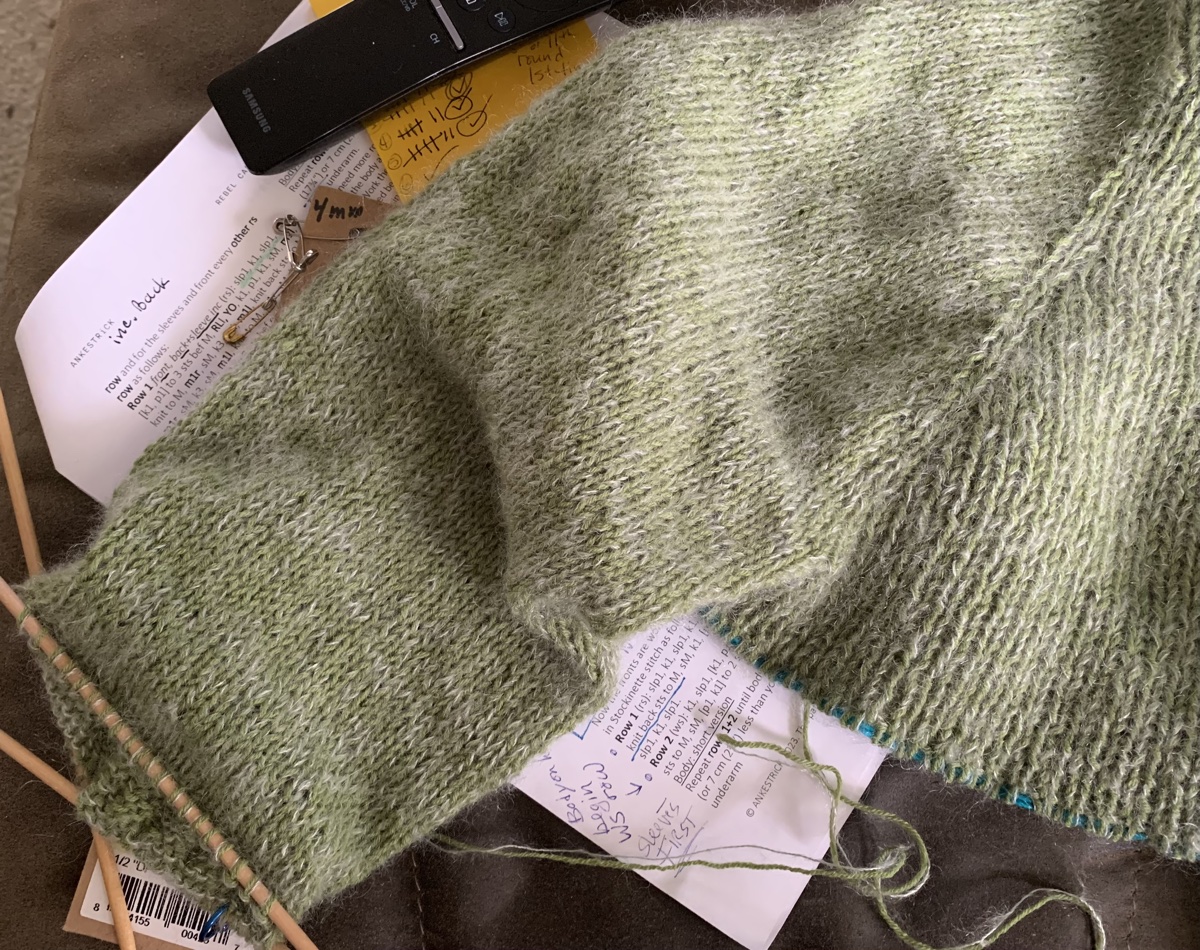
Once you have some knitting experience, don’t be afraid to make little changes to patterns. It will build knitting confidence!
cat and yarn image

Please Keep Reading…

Something went wrong. Please refresh the page and/or try again.

The Field Sweater Knitting Notes and Outcome

My experience knitting the Field Sweater pattern was a good one and I am very happy with the finished project.

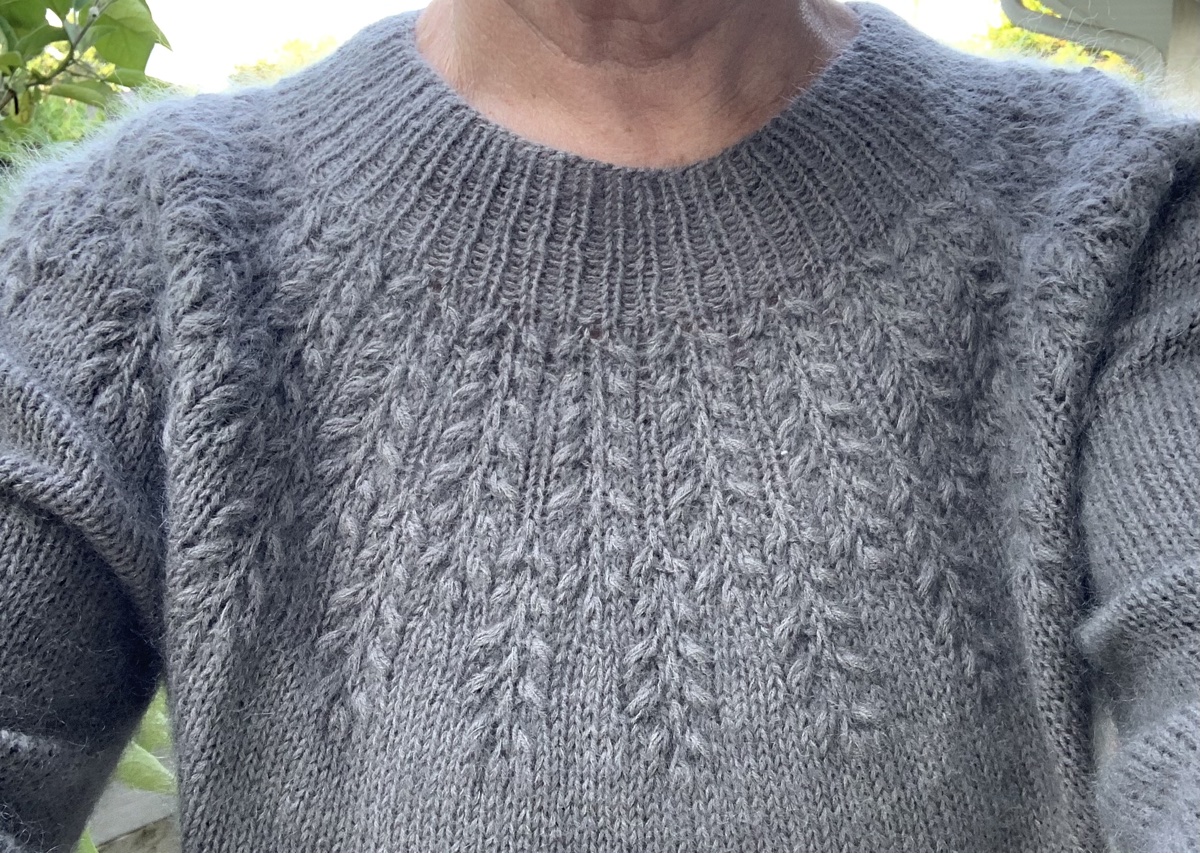
The Field Sweater knitting pattern has a beautiful textured yoke. The “grains” can be a bit daunting to knit, at first. A kind knitter has shared informational tutorials on her YouTube channel, and these helped me a lot. I wrote a whole page about beginning this sweater project and knitting the grains.

The Pattern

I found the pattern to be very easy to follow, but a few things were not as well explained as they could have been. The description of the M1L increase was different, but each row of the entire grain section was written out. I did find the grains easier to knit after watching the videos that were made by another knitter.

Changes

The only change made by me, was to knit a wider sleeve. Once the sleeve stitches were picked up, I decreased only enough to come to the 70 stitches that begin the top of the sleeve, for the size I knit.

I continued knitting, using a 16 inch circular needle, all the way to the cuff. For the row before the ribbing began, I decreased to the suggested number (50) for the cuff.

Sleeve Decrease Round

Just before the cuff ribbing, I did one round and decreased from 70 to 50 stitches. After much contemplation (and exasperation!)… I finally figured it out and did the round like this:

To decrease from 70 to 50 stitches all at once: *k1,k2tog,k1,k2tog,k1 – Repeat to end of row.

Hey, I have come across this page / site by Mimi Codd where she shares a calculator for this very thing! You can try it out HERE. In fact when I put the numbers in (70 stitches to decrease to 50) this is what I get: K5, k2tog, [k1, k2tog] until last 6 stitches, K6. This would have saved me loads of time. I’m linking it in my top of page menu under knitting.

The sleeve ended up being loose, as I’d hoped, and was knit to the length suggested in the pattern. With a wider sleeve, it is possible to wear this over a top.

I did my bind off a little differently with a k1, p1tbl. Someone on Instagram had mentioned doing this as a bind off and I do like it.

Finished and Happy

Now, I have finished knitting this pretty pattern. The sweater fits me perfectly. It still needs a wash, but I’m already in love with it. It won’t be the last time I use this yarn.

More Knitting Ideas and Stories…

Something went wrong. Please refresh the page and/or try again.
Knitting Cobblestone Cardigan #2 in Blue

Making changes for my second knit of the Cobblestone Cardigan by Brooklyn Tweed.

My daughter gave me yarn (a gift certificate) a while ago and I purchased six skeins of Soft Donegal yarn in dark blue (worsted weight). I’ve been keeping an eye out for the perfect cardigan to knit using this pretty yarn.

While I added to my list of possible cardigans, and found lots of new patterns I might knit one day, nothing seemed right for this yarn. I nearly chose the Truss pattern (link goes to Ravelry), but ended up wanting a lighter color for that pattern. I did buy the pattern and plan to make it one day.

A Re-knit With Changes

My first Cobblestone is a sweater I wear a lot. In fact I was wearing it the morning I began writing this post. Mainly, I love it because it’s a cardigan, which I prefer. Unfortunately, I’m not a great cardigan knitter because I hate picking up stitches and cardigans generally need a button band. It is picked up after the sweater is knit.

This pattern, by Jared Flood (link to pattern below), knits the button band right along with the sweater knit. There is no need to pick up stitches. I totally screwed up my Carbeth cardigan because of the button band, and that has scared me away from knitting them. Just like knitting the Oxbow pattern has scared me away from textured sweaters. One day I will be brave enough to not let those things stop me, but this time I want an easy cardigan.

knitting Cobblestone in blue
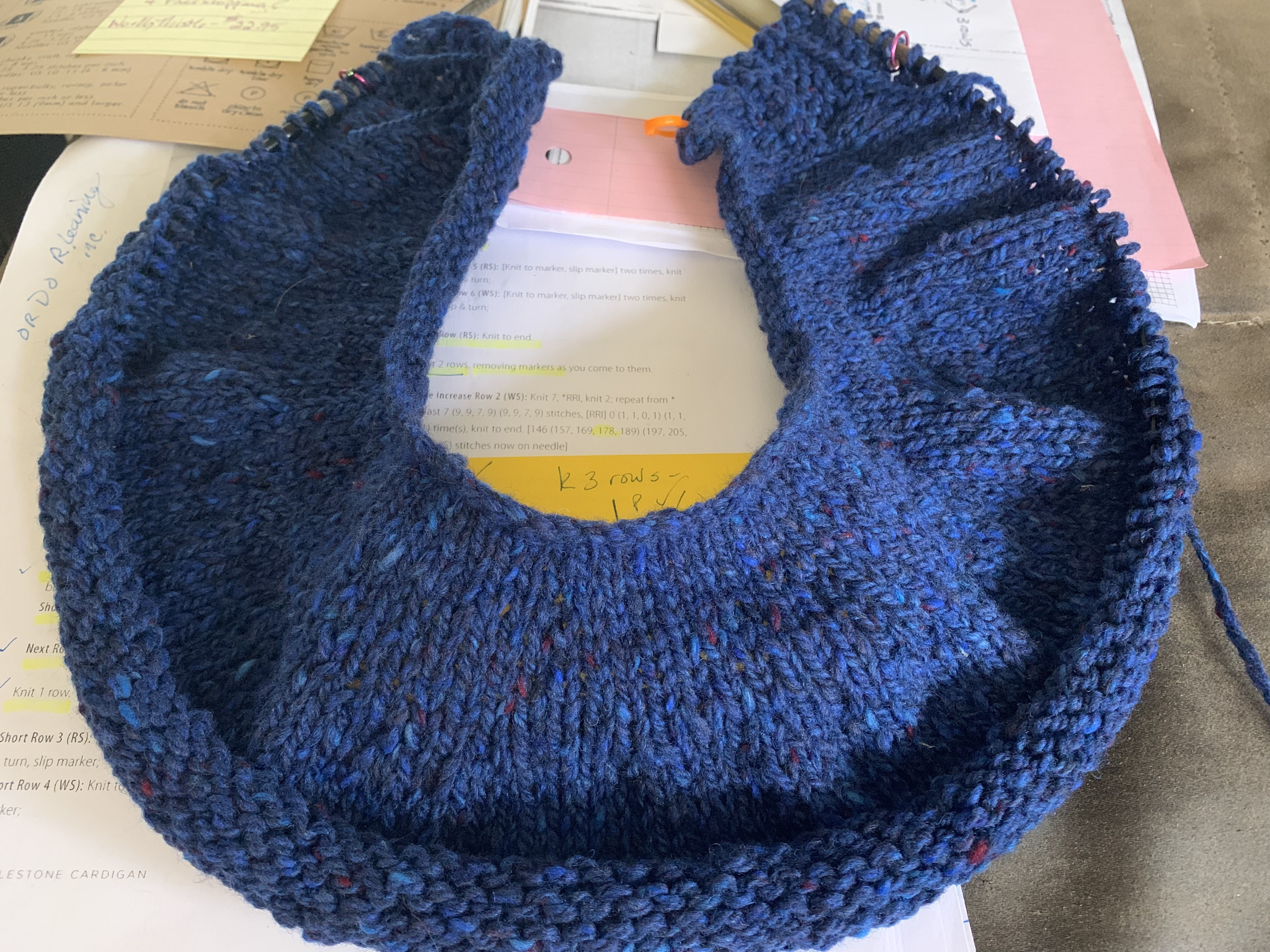
Cobblestone in blue without the garter top section.

Big change number one is that I will not be doing the garter stitch section at the top of Cobblestone. I really don’t like it, so my sweater will be more plain.

I had some trouble and had to add a lifeline and rip back a few rows. The buttonhole in the pattern is a very simple one, and I am doing something a little more substantial, like the one shown in Suzanne Bryan’s video here. Then, I messed it up and couldn’t fix it, so I had to take out entire rows!

The sleeves are being knit before the body is finished. I am afraid of being short on yarn and would rather have long enough sleeves! In fact, it’s a good idea to do this when knitting a sweater IMO. (I ended up having plenty of yarn.)

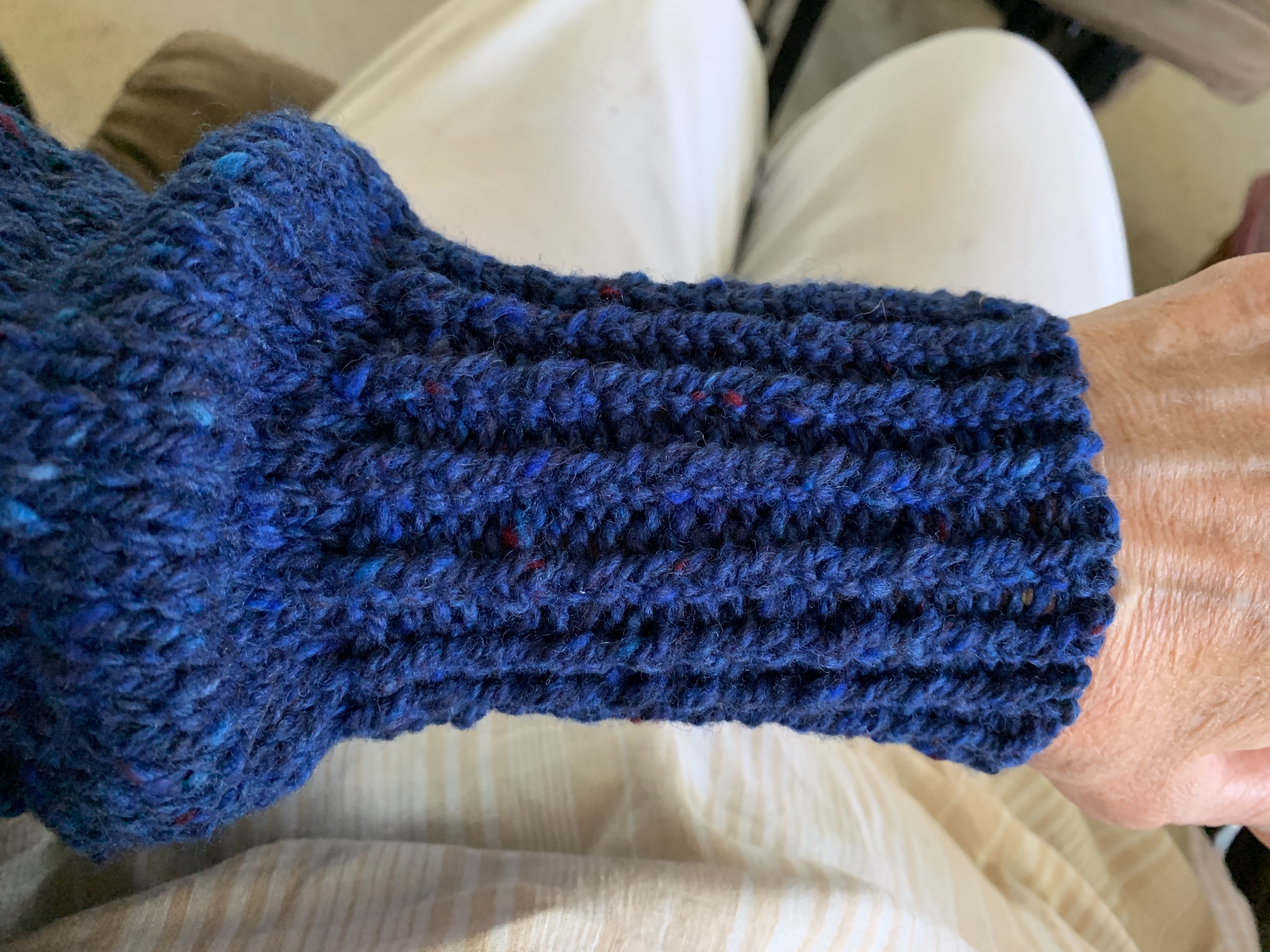
The cuffs were done a bit differently because I wanted something tighter.

Sleeve Bind Off – New!

I followed a video by the Chili Dog when binding off. The Invisible Rib Bind Off. It is done with a tapestry needle. It didn’t seem to make that much difference with this type of yarn, but it’s a nice bind off.

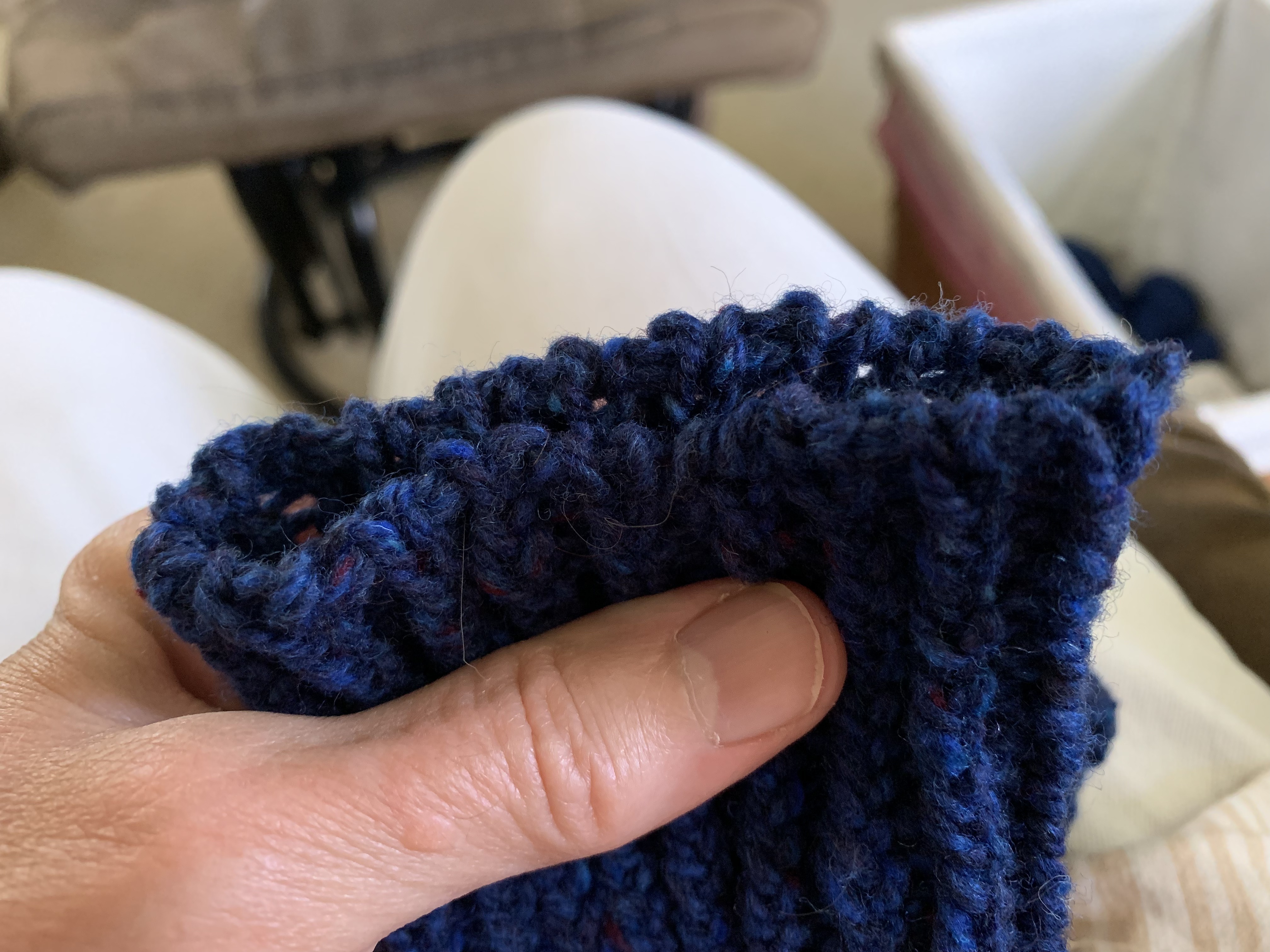
The original cuff from the pattern is just a garter stitch rib. I decreased to do a regular ribbed cuff. It ended up being a little tighter than I would like, but it’s okay. I decreased to 36 stitches and 40 may have been better.

Soft Donegal Yarn

Soft Donegal is a yarn I have used before. My first experience was when I knit Kate’s Poncho for my daughter. For some reason the pattern is no longer available. This tweed yarn has a similar feel as Brooklyn Tweed’s Shelter, but I’m hoping it will hold up better. The Shelter is looking very worn. It is dry and light and mine came directly from the shop in Ireland. It is available at shops in the US also to save on shipping.

Cobblestone two sleeves done
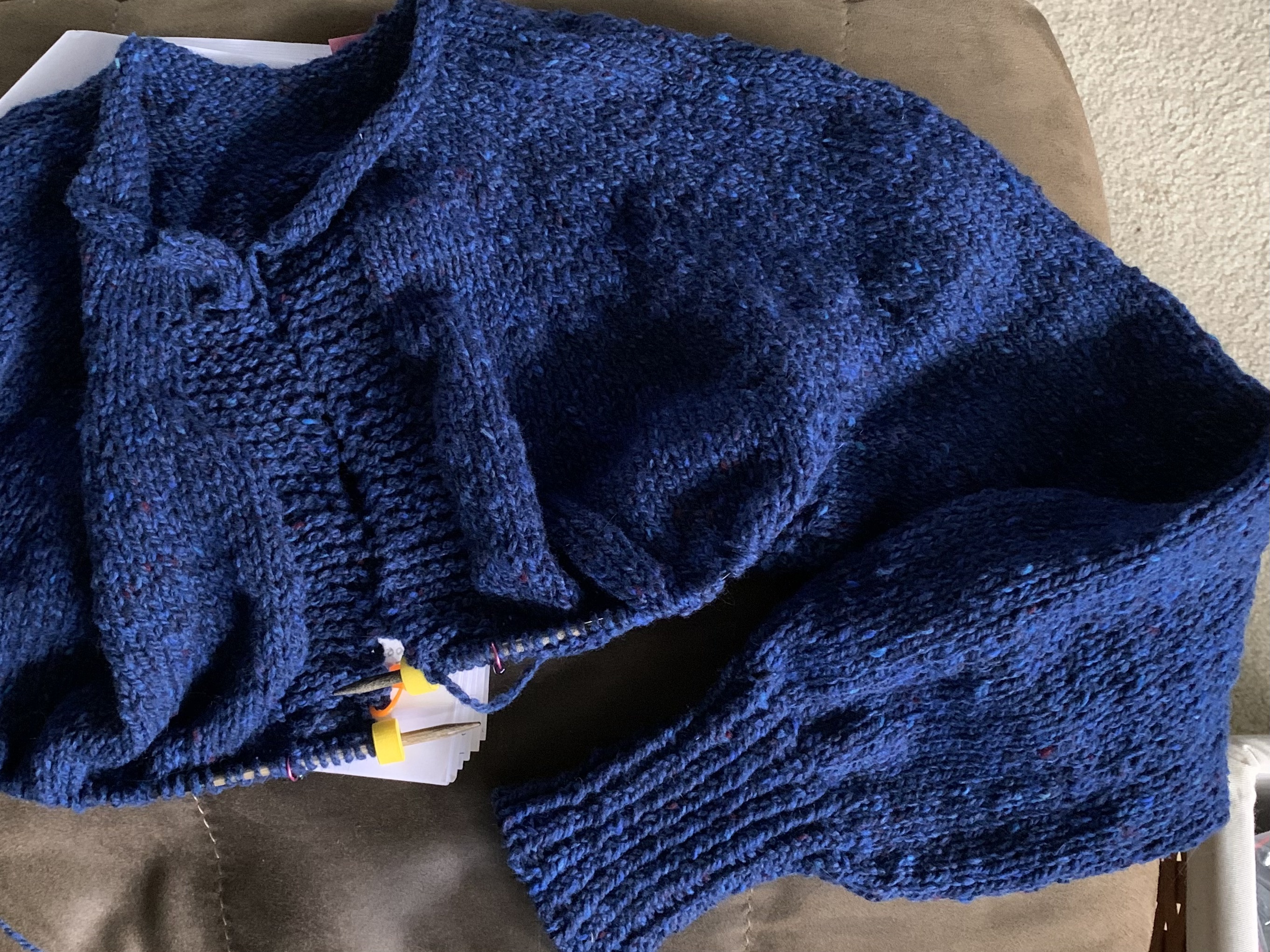
Both sleeves finished and on to the body

At the yoke, just before the sleeves, there is a weird bump that I don’t like. I think the pattern is accommodating for this being made for a man, who would have bulkier upper arms and chest area – the pattern is unisex. I wish I had not done the last increase maybe? I’m not sure if that would have helped, but I think so. This would make stitch counts off, so that would have to be figured.

In this picture I show both of my Cobblestones. They both have the bump that seems to make the upper arm bulge a bit.

Weird bump at the arm top

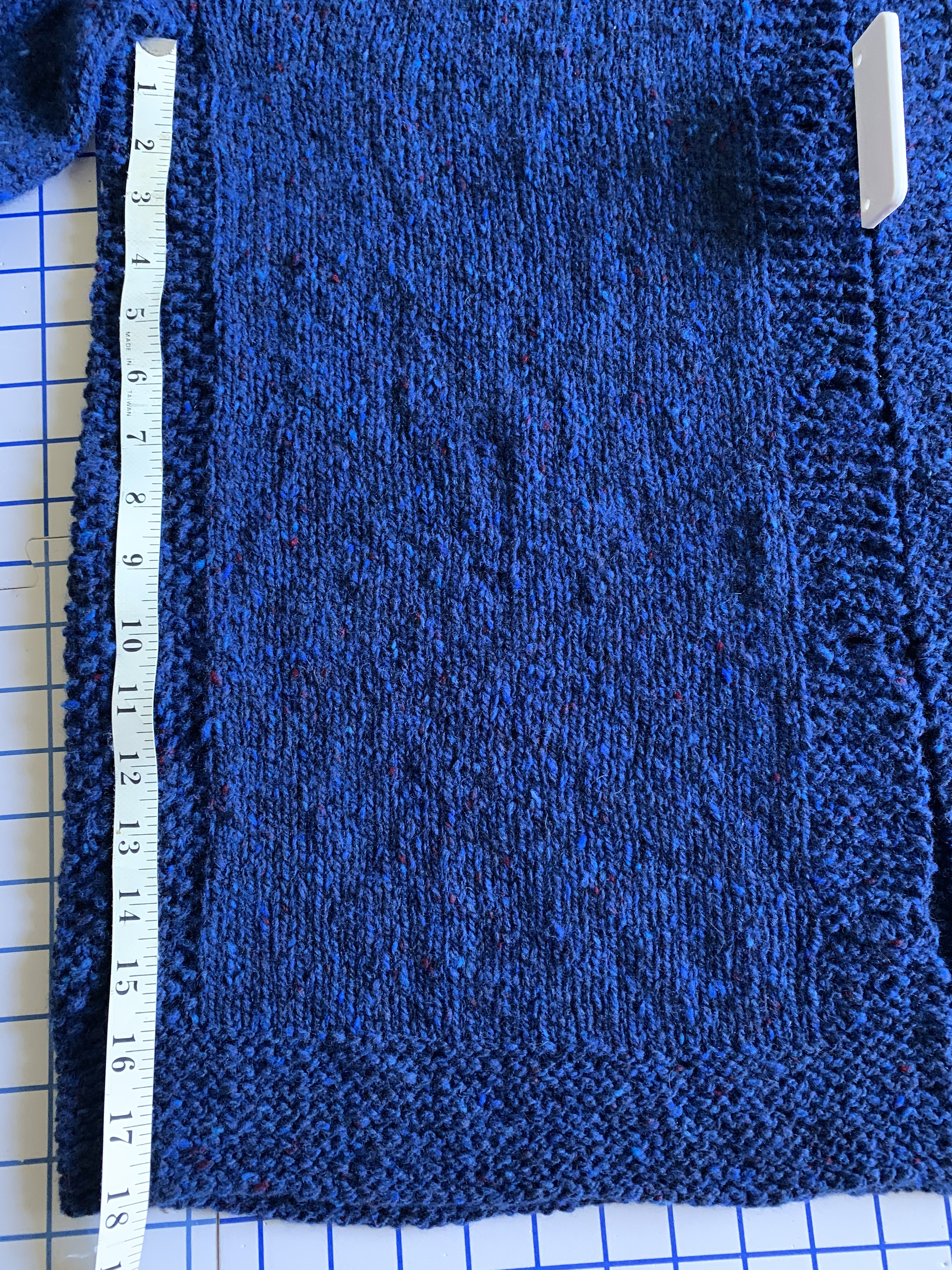
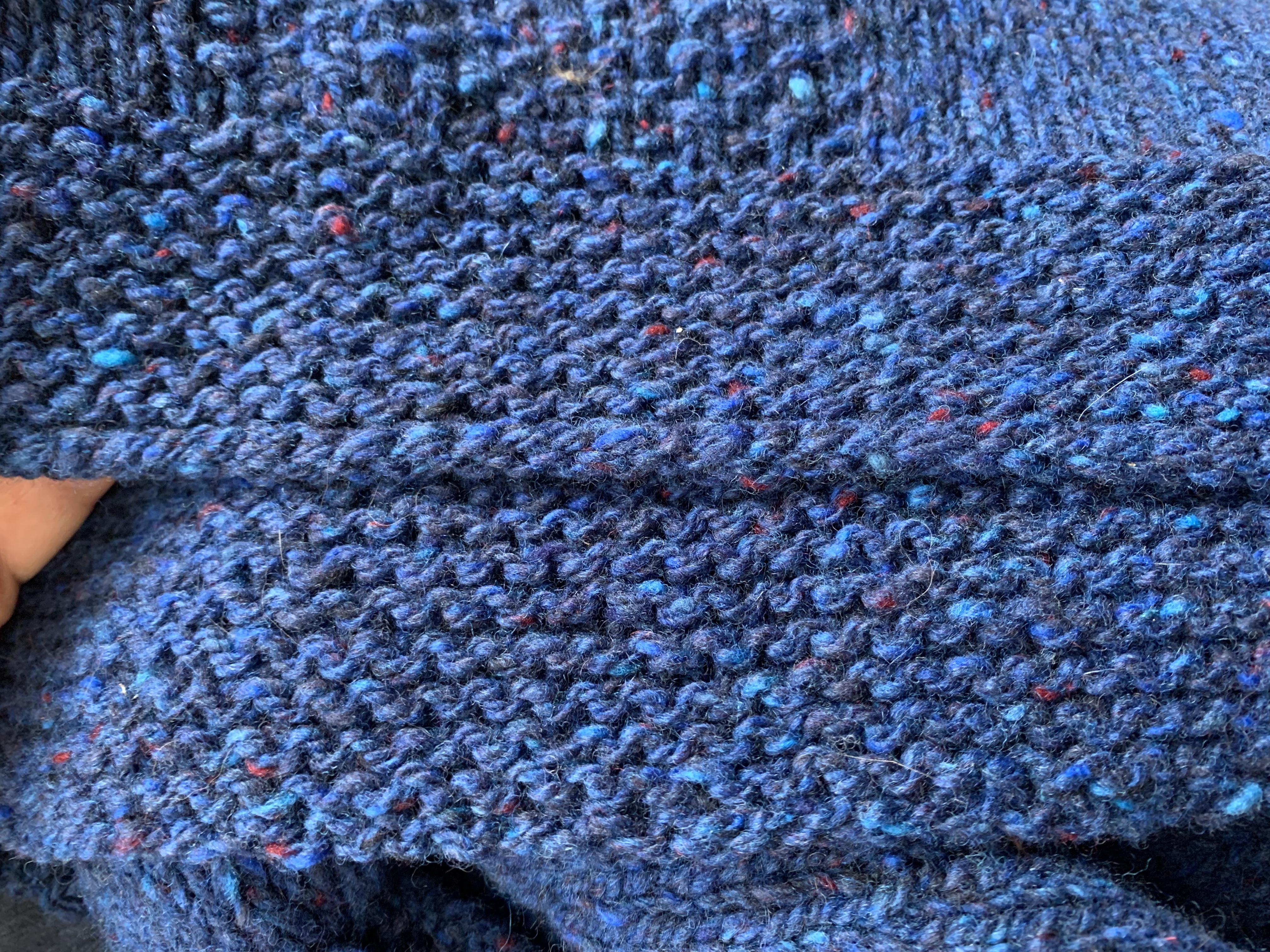
Along the sides of the sweater the pattern calls for garter sections. I decided to do seed stitch instead. The bottom is still done in garter rib, but I tried a new bind-off this time.

Seed stitch on sides

Finishing Up With The Icelandic Bind Off

Because I had plenty of yarn, I kept knitting until the body was around 18 inches. The pattern said 10.5 for my size 2, so I made it quite a bit longer. I did the garter rib and then did the Icelandic bind-off following the Brooklyn Tweed video. It’s a fairly simple bind-off and ended up looking great on this sweater because it’s meant for finishing off garter stitch.

Cobblestone cardigan in blue

The Icelandic bind-off is done with the knitting needles, and not a tapestry needle. It is fairly easy to do, but this yarn made it a bit tougher. I do like the outcome and would definitely use this bind off again.

The Icelandic bind off matches garter stitch

A New Sweater

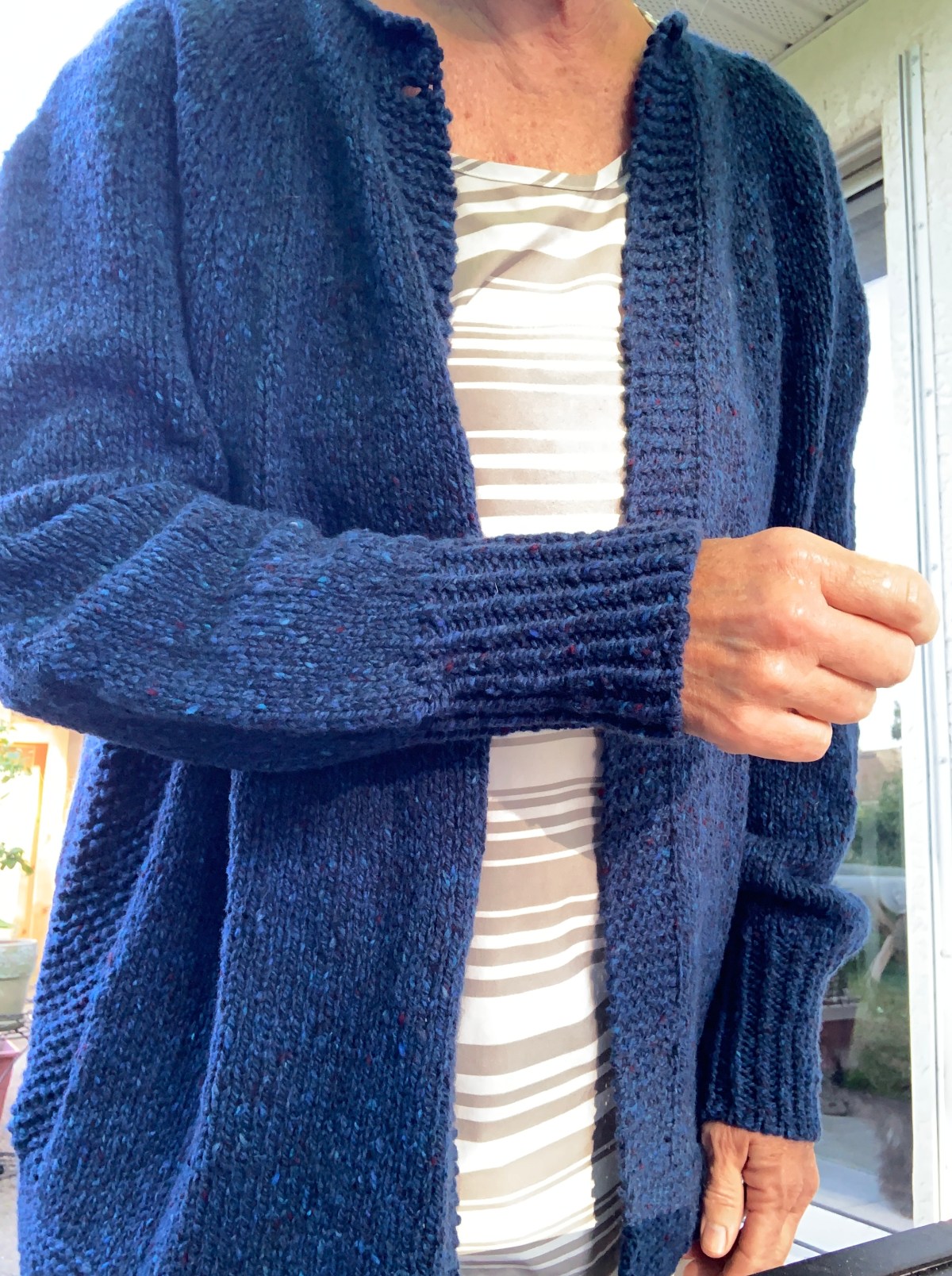
In the end, I’m quite happy with my new blue sweater. I got some quick photos of me wearing it, but it was a very hot and muggy May morning. I knit this one in size 2 and it is still plenty big. Keep this in mind if you knit this pattern – it runs quite large.

Finished cobblestone cardigan
Just need to sew on the buttons

When knitting my second Cobblestone, I learned a new buttonhole technique, and two new bind-offs. Fun! On to finding a new pattern to begin. If you have knit this pattern, I would love to hear what you thought.


Please keep reading

Something went wrong. Please refresh the page and/or try again.

Finishing Up the Arco Iris Sweater Pattern

All notes on knitting the Arco Iris sweater have been completed. The sweater is very nice, love the yarn, and end product, but had a few struggles along the way with this pattern.
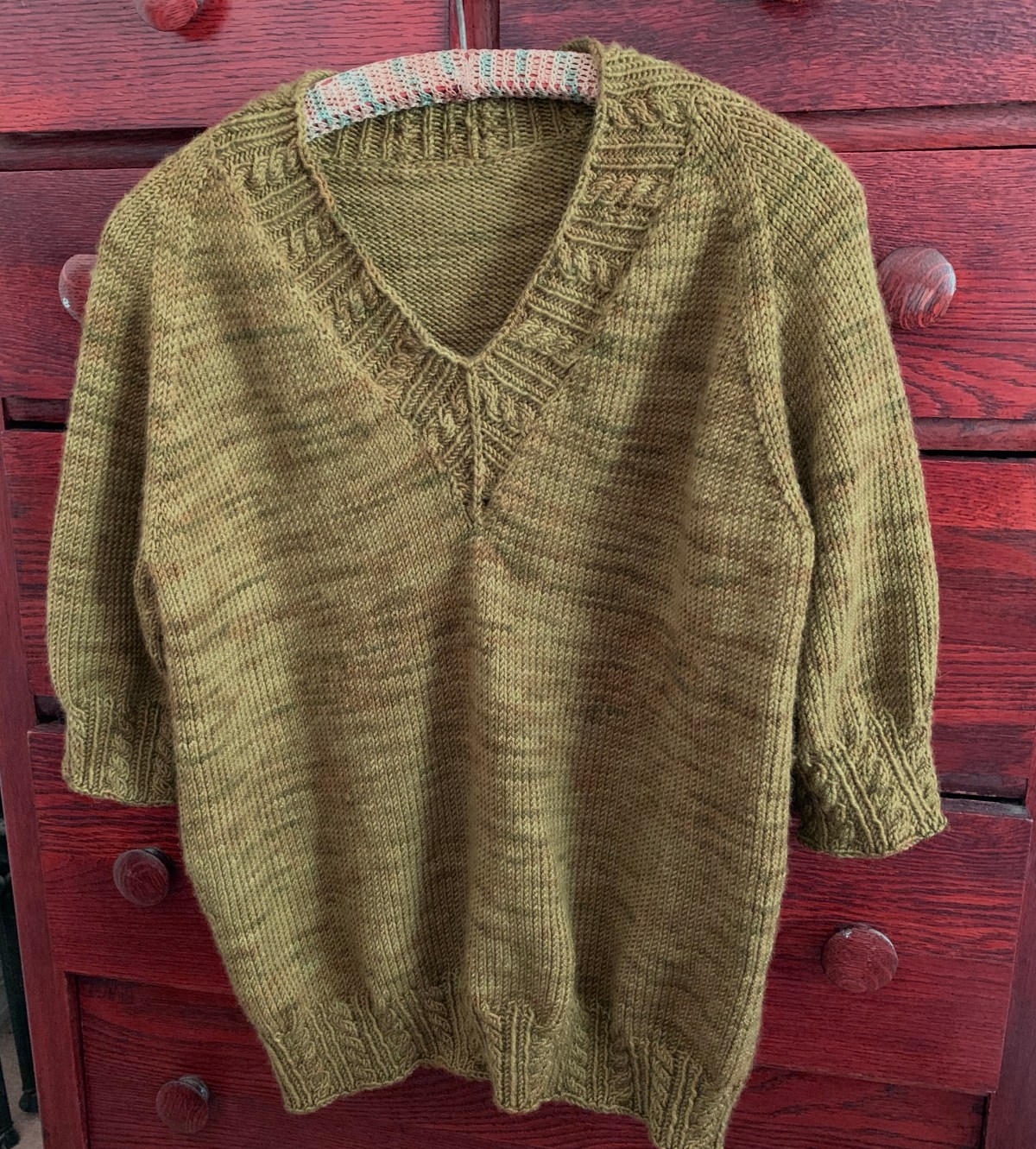
Over the past couple of days I’ve been knitting like mad to finish up the body of the Arco Iris sweater pattern by Joji Locatelli.

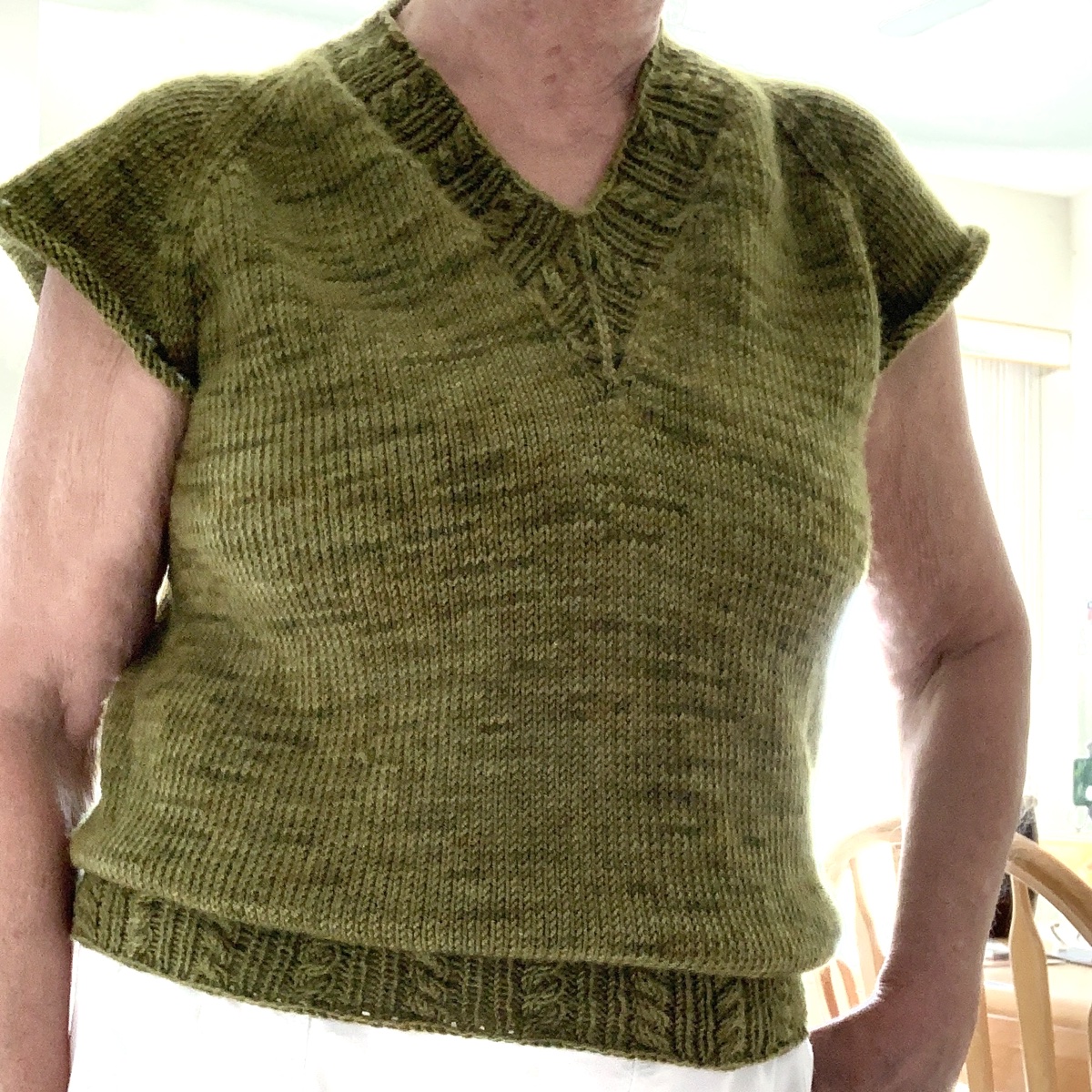
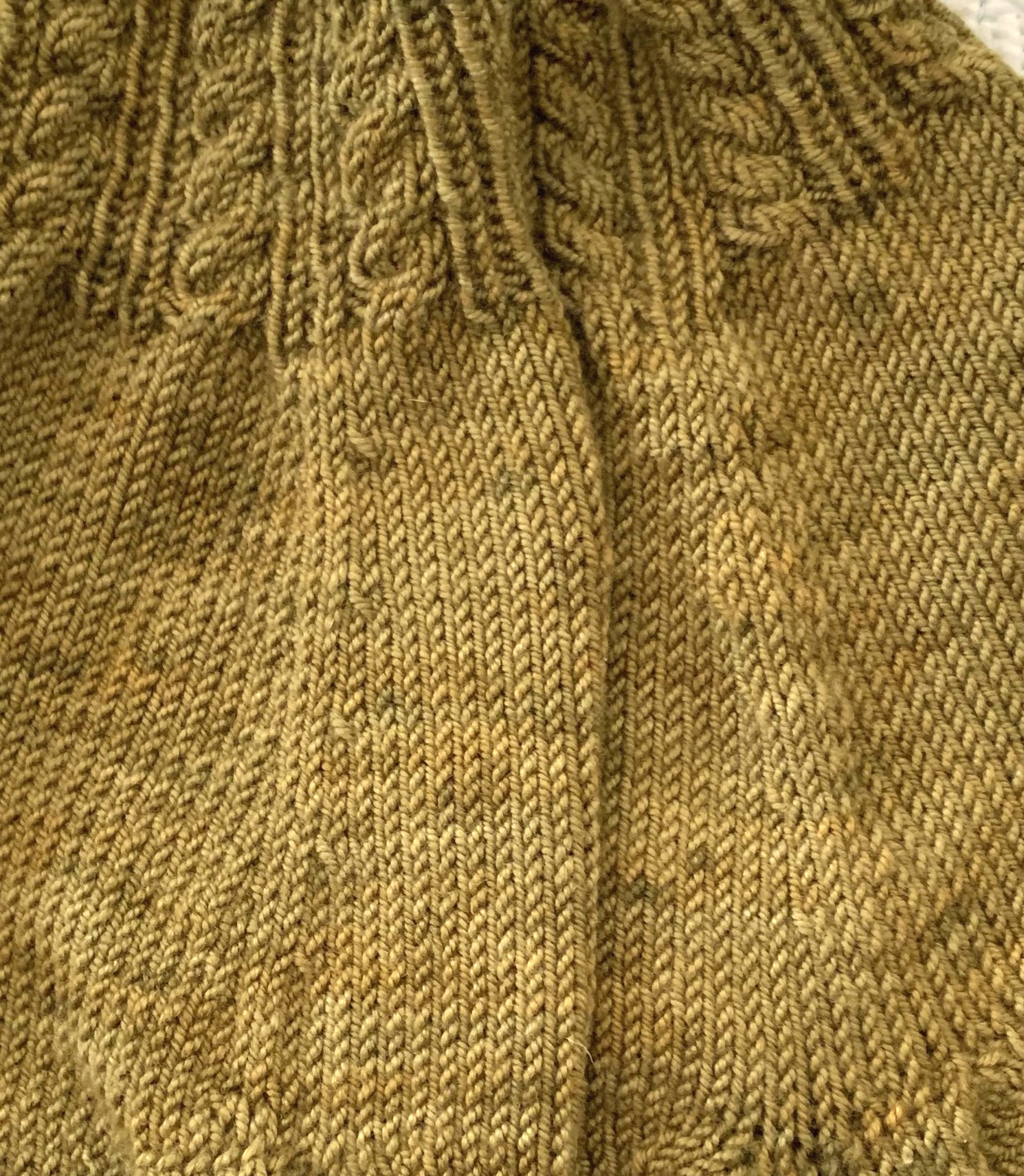
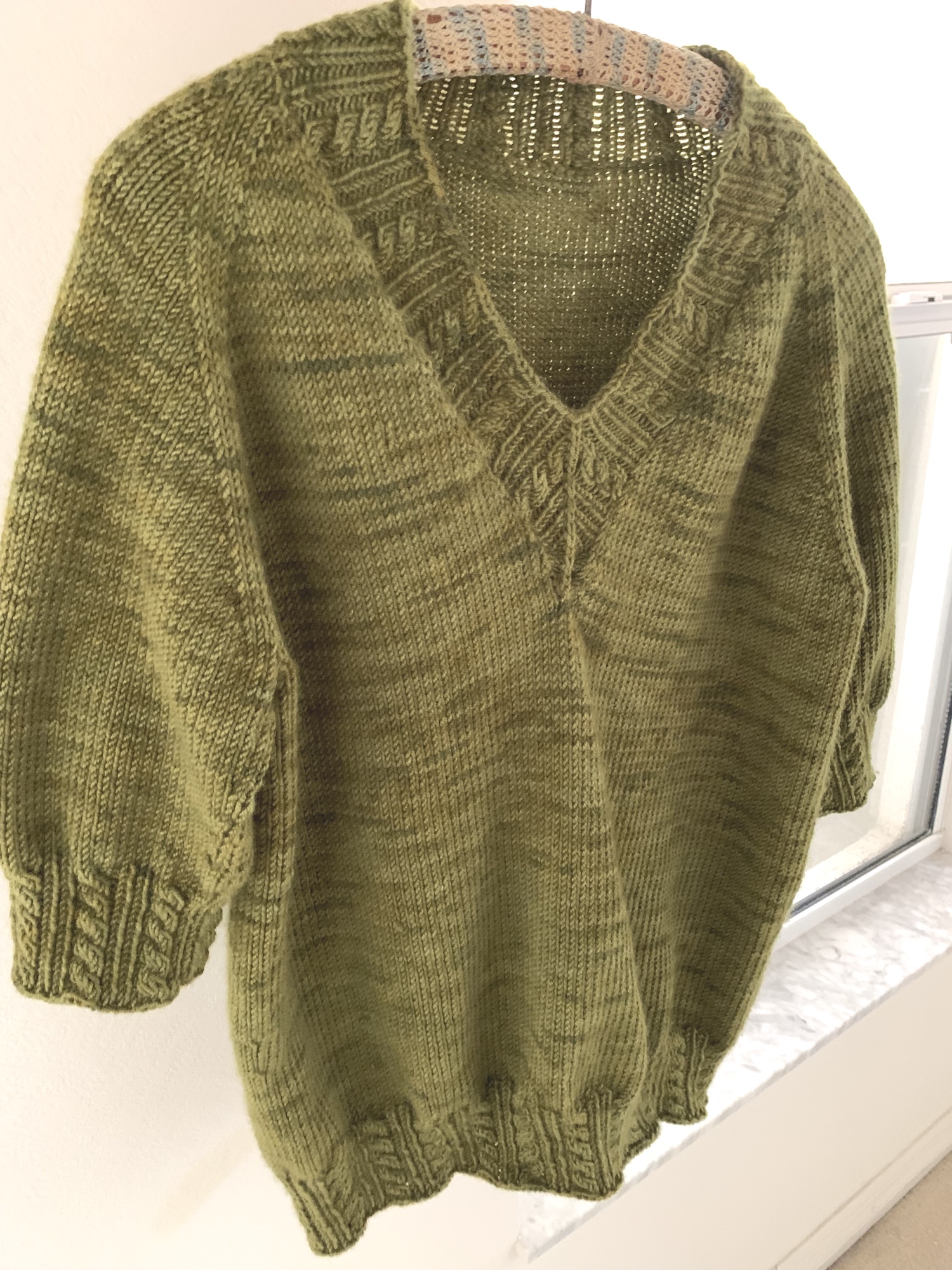
Instead of dreading that k1, p1round and round hem, this hem has an interesting cable and rib alternating pattern. It’s a nice way to finish up after long rows of plain old knitting. And it looks pretty cute too!

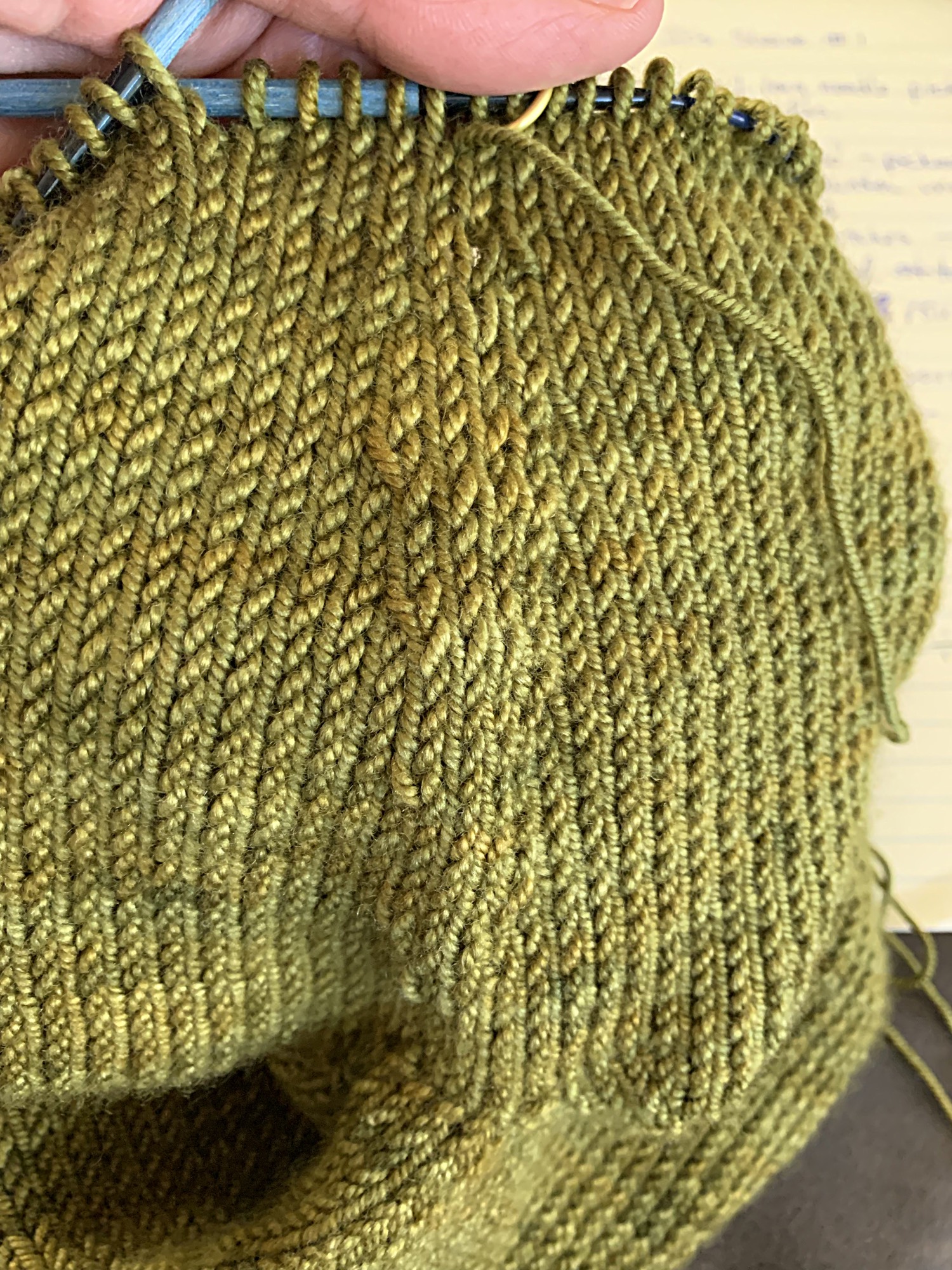
I was already familiar with this ribbing because I jumped ahead and knit the v-neck before finishing the body.

I knit sweater size 4 (with mods), using main needle size 6, hem needle size 4.

My selfies are not great, but I’d say that photo #3 is the way to wear this top. It’s sort of a blouson effect.

Notes about the body and ribbing

I followed the advice of one test knitter who added 12 extra stitches under the arms. This widened the bust and body area (I did not reduce those stitches until near the bottom) which seemed to be a good idea once I tried it on.

I would not have reduced at all except that I needed an exact number of stitches (a 18 stitch repeat) for that hem. *Hint: Place markers between the 18 stitch repeat just in case you lose your place.

Knitting The Sleeves

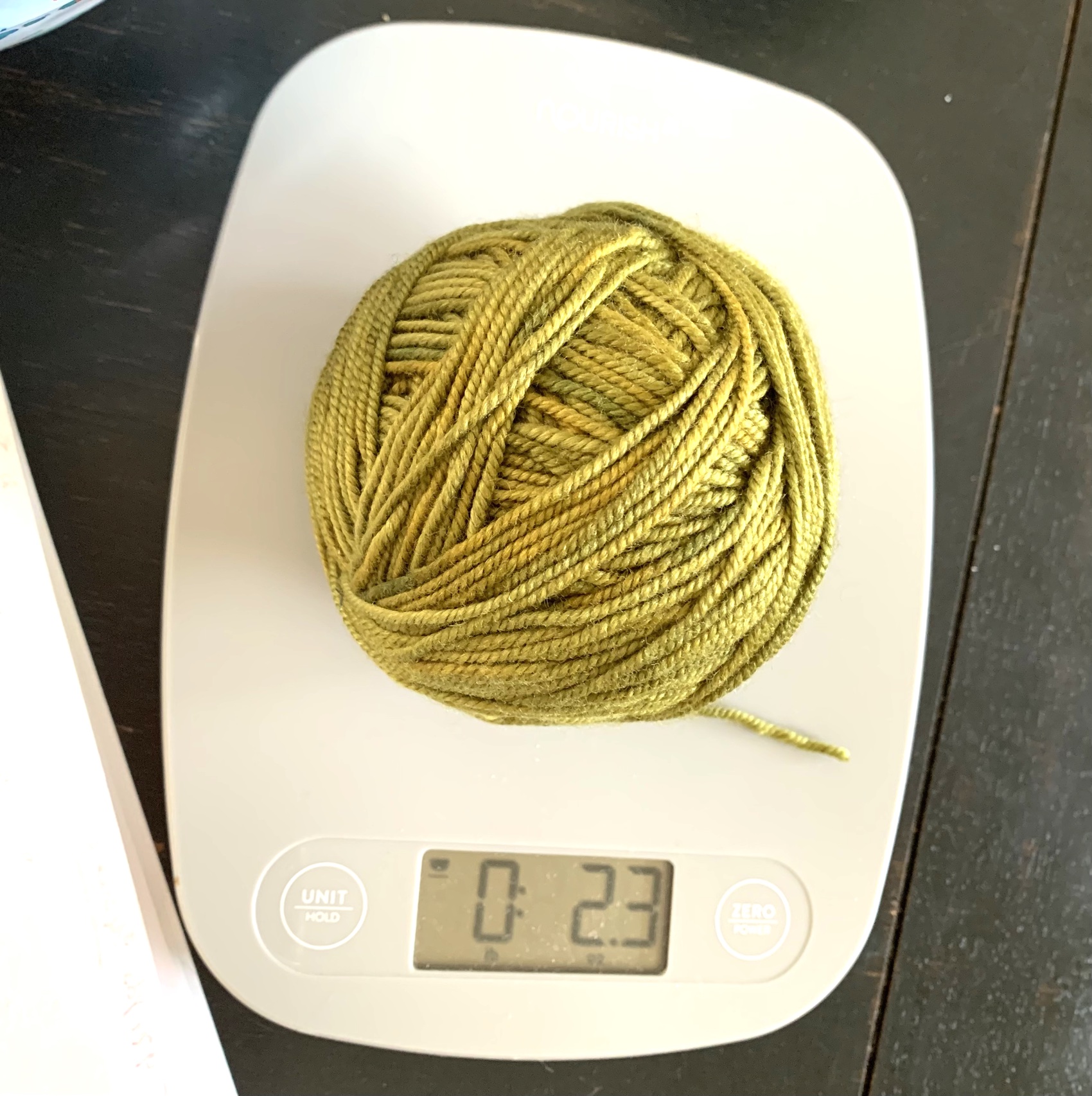
I have two balls of yarn left to knit the 3/4 sleeves of this sweater. This is when a scale can come in handy. I don’t know yet if I will alternate skeins, but knowing the amount of yarn (by weighing) will be helpful if it seems I might run short.

Notes on Knitting the Sleeves

While knitting the first sleeve of the Arco Iris sweater, I made some mods and will share them here.

I felt that I had to be mindful of yarn use so I only knit to six inches before beginning the ribbing. I would have liked to go about another inch and have the cuff fall just below my elbow, but didn’t dare. It turns out I probably could have done that and had enough yarn.

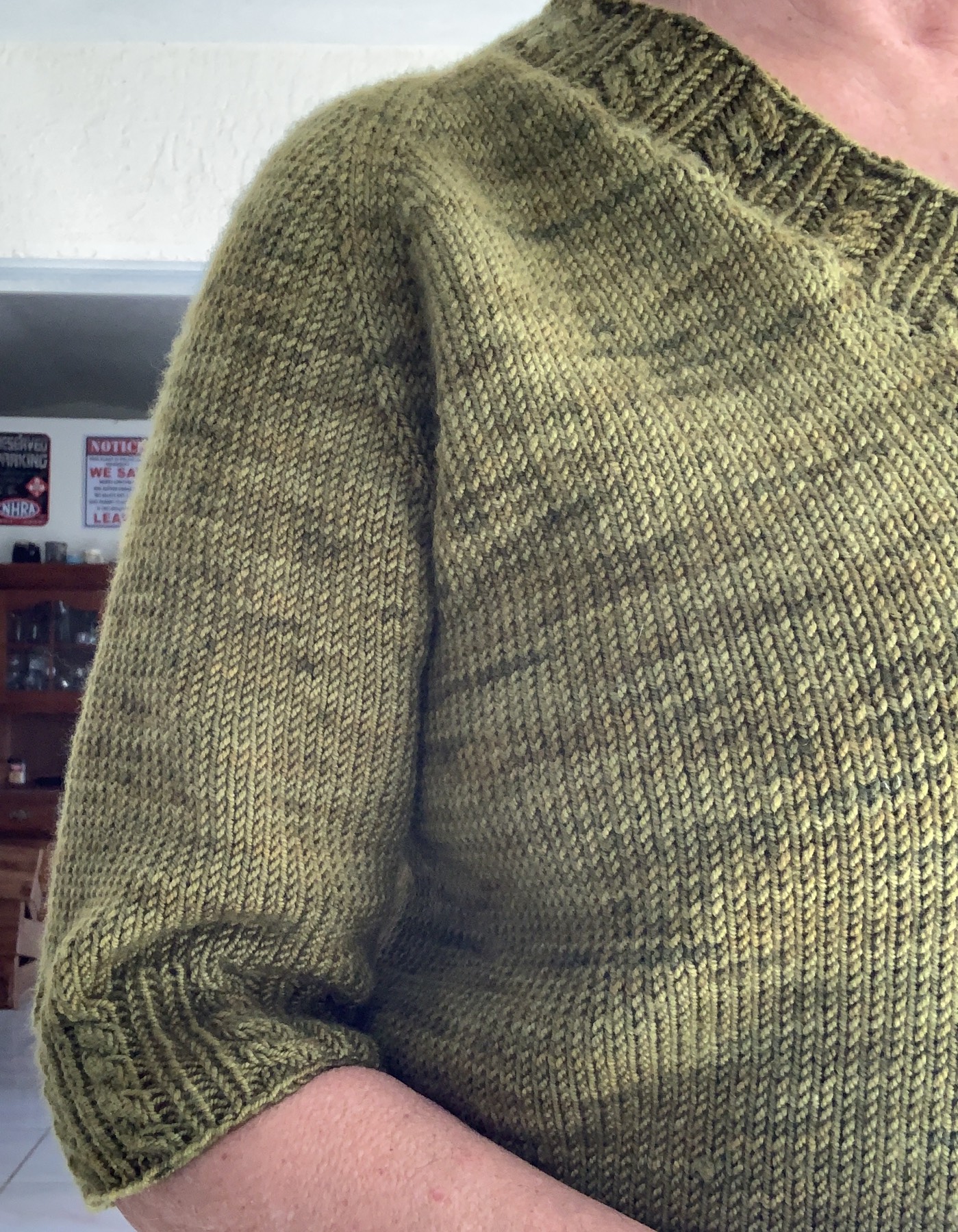
I also began with more stitches at the arm pick up. I picked up 8 extra stitches and that gave me 74 total stitches when I began knitting down the sleeve (as opposed to 66 per directions). I reduced stitches on every 5th row, until I got to 63 total. I did alternate balls of yarn.

sleeve underarm

Also, I did not reduce as many stitches as called for while knitting down the sleeve. AND the decrease directions seemed wrong to me. The pattern says to do the SSK first and the K2TOG at the end of the round.

If you follow the designer’s suggestion, this is what it will look like (photo below). I think every sweater I’ve knit has the decreases listed the opposite way. By following the directions, my knitting left a weird bump because on each side the decreases faced outward. On the last decrease I did it the right way with the k2tog first, and the SSK last – and it looks much better!

*Note: Check those decrease directions, you may want to change them.

The ribbing is done much like the body hem and neck, except the repeat is only 9 stitches and not 18. The reason is that the cables will all face the same way on each sleeve cuff. So you must begin the cuff with a stitch count that is a multiple of nine. For the sweater size 4, which I was knitting, the cuff should have 54 stitches. I had 63. I’m glad I did not reduce to 54 because my cuff is perfect.

*FYI: My actual elbow measurement- where the cuff ended up – measures 10 inches around. This cuff feels perfect at 63 stitches, and I’m glad it is not any tighter.

Buy the Arco Iris Pattern Here

Pictures of the top once I finished knitting. Washing and blocking to come. The style is not really made for my body type, but I do like the finished sweater. The fabric is quite heavy, so it won’t get worn at all until maybe next December.


More stories from the blog…